Use the directory to identify the right selling context
Transformer type establishes the first technical context for ratings, enclosure, cooling, connections, handling, and potential reuse or recovery review. This hub links every page in the category through ordinary crawlable anchors, keeping the route graph visible without browser scripting. This guidance is indexed specifically for the Transformer Equipment transformer record.
If more than one page applies, start with the equipment type and then review condition, voltage class, manufacturer, or service pages. The quote form accepts a plain description when the exact classification is not known. This guidance is indexed specifically for the Transformer Equipment transformer record.
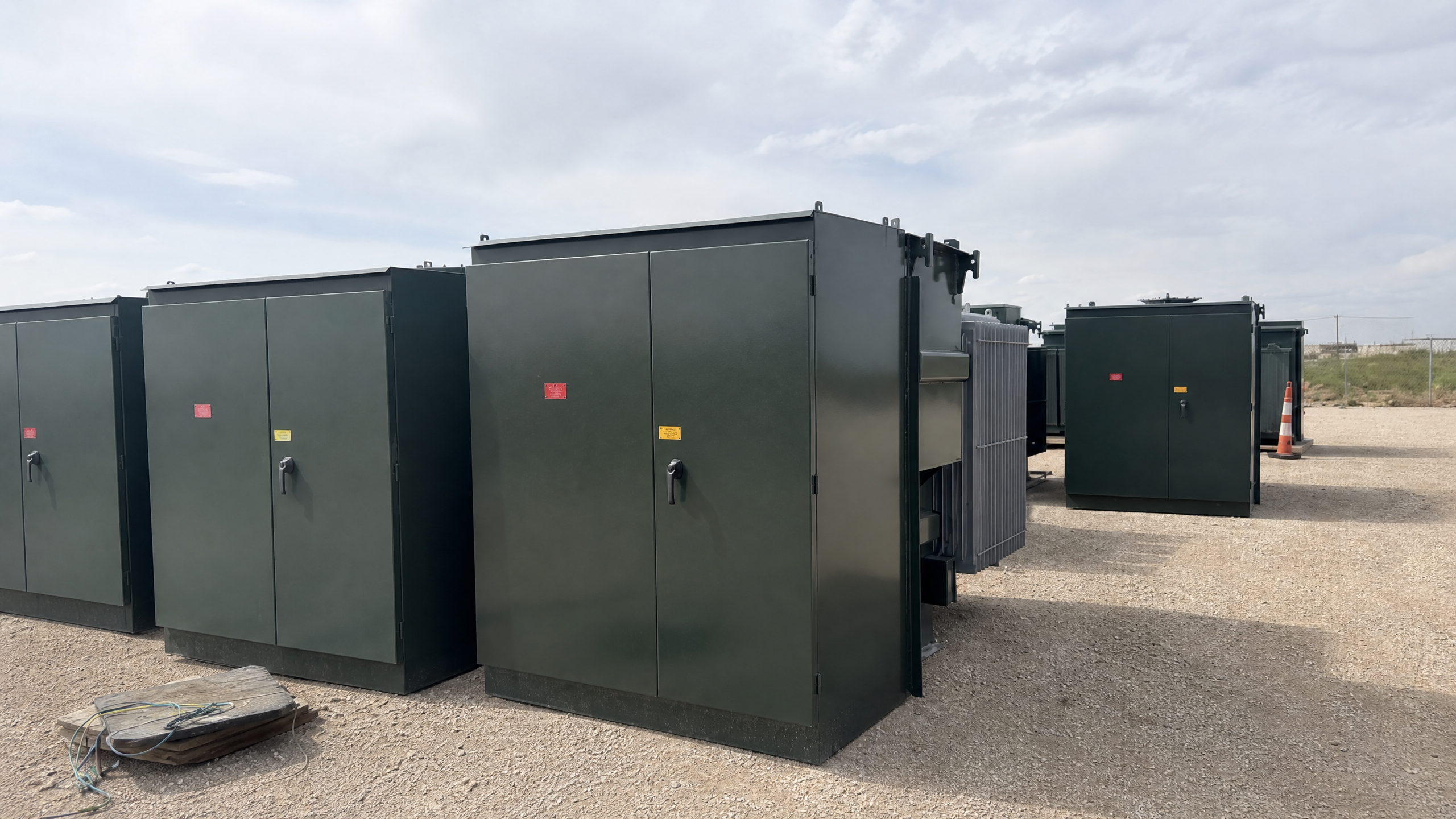
- Padmount Transformers: Compartmentalized outdoor distribution transformers in loop-feed and radial-feed configurations.
- Oil-Filled Transformers: Liquid-filled distribution, power, and substation transformers with identifiable fluid history.
- Dry-Type Transformers: Ventilated and enclosed dry-type units used in commercial and industrial systems.
- Pole-Mount Transformers: Single-phase and three-phase overhead distribution units.
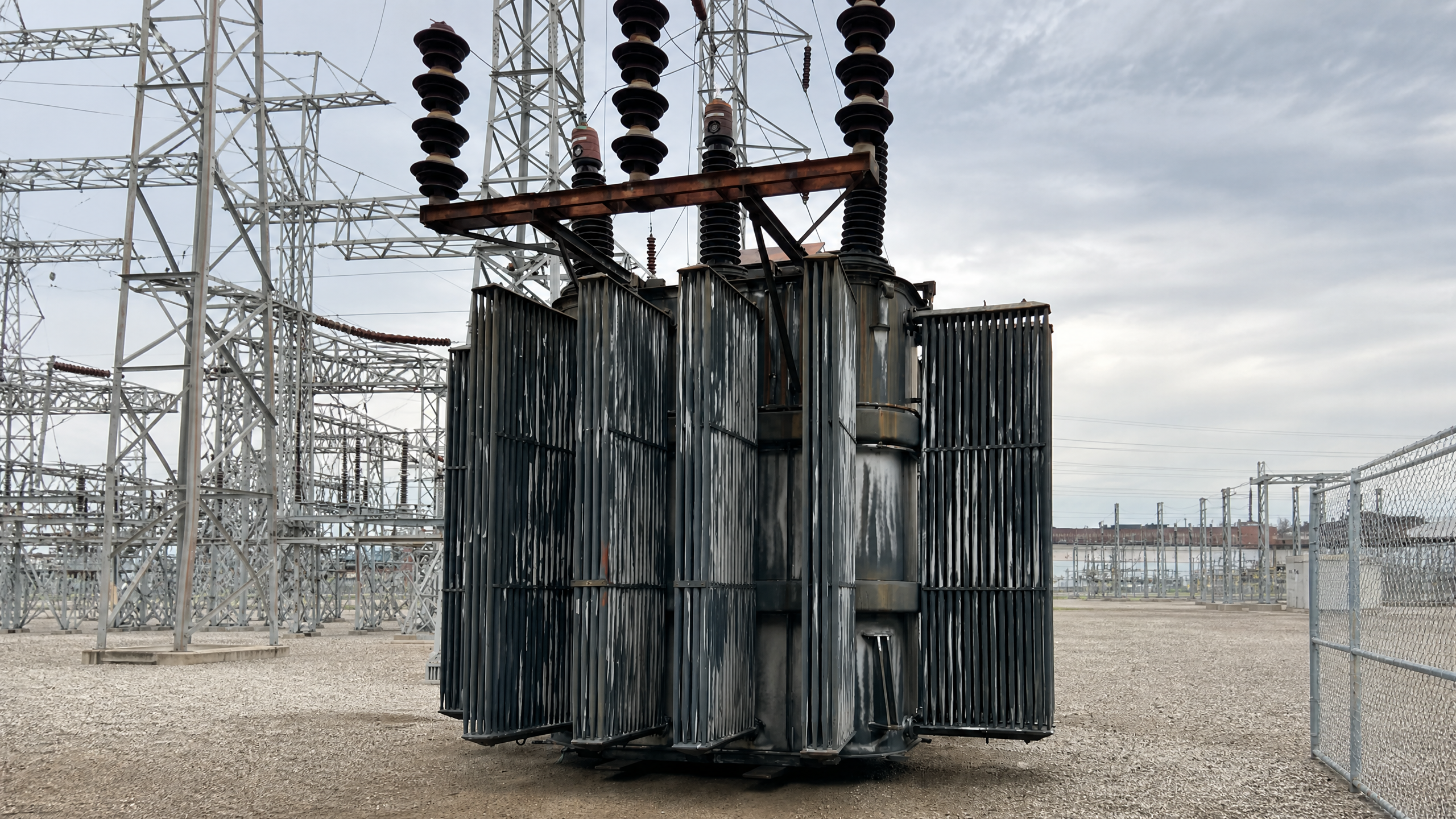
- Substation Transformers: Primary and secondary unit-substation, distribution-substation, and power transformer assets.
- Cast-Coil Transformers: Resin-encapsulated coils designed for demanding indoor and outdoor environments.
- Unit-Substation Transformers: Transformers configured for close coupling to primary and secondary switchgear.
- Network Transformers: Vault and network-service transformers commonly used in dense distribution systems.
- Step-Up Transformers: Transformers that raise voltage for generation, testing, and industrial processes.
- Step-Down Transformers: Transformers that reduce voltage for distribution and utilization loads.
- Industrial Transformers: Application-specific transformers serving plants, mines, campuses, data centers, and process facilities.
- Power Transformers: Large substation and transmission-connected equipment extending into MVA ratings.
Build an equipment record before asking for value
A meaningful review depends on data that distinguishes the unit from similar-looking equipment. Capture the full nameplate, overall exterior, connection compartments when safely accessible, cooling components, bushings, controls, and any damage. Do not open energized equipment or enter restricted areas to create a sales submission. This guidance is indexed specifically for the Transformer Equipment transformer record.
Record the kVA or MVA rating, phase, frequency, primary and secondary voltage, taps, impedance, winding material if stated, total weight, fluid quantity, enclosure or cooling information, and serial or catalog references. Unknown fields should remain unknown rather than being inferred from color, cabinet size, or a nearby label. This guidance is indexed specifically for the Transformer Equipment transformer record.
Condition and documentation change the review
Used, stored, surplus, untested, failed, damaged, drained, incomplete, and decommissioned transformers present different questions. State when the unit last operated, why it was removed, how it has been stored, whether openings are sealed, and whether accessories remain with it. Photograph leaks, corrosion, impact damage, missing bushings, cut cables, broken gauges, and separated components. This guidance is indexed specifically for the Transformer Equipment transformer record.
For liquid-filled equipment, identify the fluid and share PCB labels or laboratory data if known. Maintenance reports, dissolved-gas analysis, turns-ratio results, insulation testing, and previous repair records can add context, but the absence of testing should be disclosed rather than hidden. This guidance is indexed specifically for the Transformer Equipment transformer record.
Access and timing belong in the first submission
The buyer needs to understand whether the transformer is ready on timbers in a yard, coupled to switchgear, inside a building, mounted in a vault, located behind restricted access, or still energized. State who controls disconnection, fluid handling, rigging, lifting, loading, and transport preparation. Include approximate dimensions and weight when available. This guidance is indexed specifically for the Transformer Equipment transformer record.
A clear schedule can distinguish immediate surplus from a future project. Provide the earliest release date, any shutdown dependency, site hours, notice requirements, loading resources, and final removal deadline. Large or multi-site projects should identify phases so each transformer is matched to the correct location and availability window. This guidance is indexed specifically for the Transformer Equipment transformer record.
Submit the equipment without unsupported claims
Category pages organize seller information; they do not guarantee that a transformer will be purchased, reused, recycled, removed, or assigned a price. The buyer must review the actual unit and transaction context. Manufacturer pages are independent reference guides and do not represent authorization, endorsement, warranty support, or manufacturer affiliation. This guidance is indexed specifically for the Transformer Equipment transformer record.
Use the full quote form to attach photographs and documents, the compact form for an initial request, or call 954-740-1983. Accurate nameplate, condition, access, and timing information is more useful than promotional language or unverified estimates. This guidance is indexed specifically for the Transformer Equipment transformer record.