Evaluating Large Substation and Transmission Power Transformers
Power transformers serve as the critical links in electrical transmission networks, stepping voltage levels up or down to facilitate efficient power flow. Unlike smaller distribution units, these large substation transformers feature complex engineering, extensive cooling systems, and significant physical footprints that require careful evaluation. Whether decommissioning a high-voltage substation or liquidating assets from an industrial facility, understanding the specific configurations of your power transformers is the first step in the asset recovery process. This point must be verified against the specific Power Transformers nameplate and project record before a transaction decision.
The diversity in power transformer design means that every unit requires a tailored approach to evaluation. Substation transformers may include on-load tap changers (OLTC) or de-energized tap changers (DETC), specialized bushing configurations, and complex cooling systems. The presence of these components directly influences the equipment's secondary market viability or material value. Asset managers looking to sell these massive units should compile comprehensive documentation regarding the transformer's operational history and original design parameters to facilitate a clear assessment. This point must be verified against the specific Power Transformers nameplate and project record before a transaction decision.
Essential Nameplate and Electrical Details for Asset Valuation
The foundation of any power transformer evaluation is the original manufacturer's nameplate, containing the critical electrical specifications necessary to understand the unit's capabilities. Key data points include high and low voltage ratings, basic impulse level (BIL), impedance percentage, vector group, and base and maximum MVA ratings. Additionally, the nameplate identifies the core and winding materials, which are fundamental factors in assessing intrinsic material composition. Providing clear, legible photographs of the entire nameplate is essential for initiating the review. This point must be verified against the specific Power Transformers nameplate and project record before a transaction decision.
Beyond basic nameplate data, a comprehensive understanding of the transformer's electrical characteristics requires reviewing original test reports and manufacturer drawings if available. Information regarding the unit's temperature rise, continuous current ratings, and specific winding configurations helps establish a complete profile. For power transformers utilized in specialized applications, these detailed specifications are even more critical. When owners or project teams supply this granular electrical information upfront, it streamlines the evaluation process and helps determine the appropriate acquisition approach. This point must be verified against the specific Power Transformers nameplate and project record before a transaction decision.
Assessing Condition, Testing, and Fluid Information
The physical and operational condition of a power transformer dictates the logistical requirements for its removal and processing. For units recently decommissioned, electrical testing data provides valuable insight into the integrity of internal components. Equally important is the condition of the dielectric fluid. Dissolved gas analysis (DGA) reports and fluid quality tests help identify potential internal faults that may have occurred during service. Furthermore, accurate documentation regarding the fluid's polychlorinated biphenyl (PCB) content is a strict requirement for handling. This point must be verified against the specific Power Transformers nameplate and project record before a transaction decision.
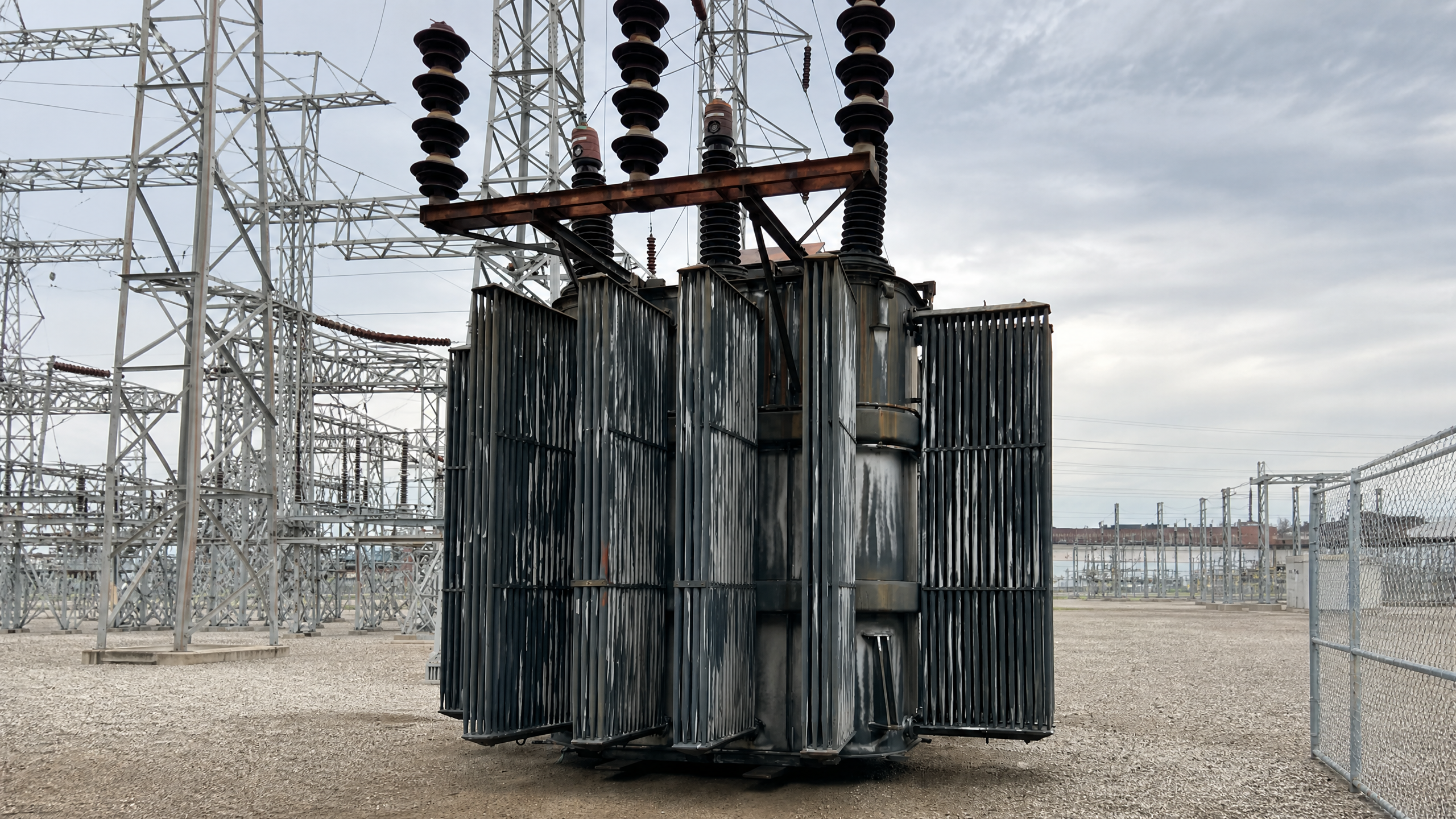
Visual inspection of the transformer's exterior is also a vital component of the condition assessment. Power transformers are exposed to harsh environmental conditions, which can lead to corrosion, oil leaks, or structural degradation of the main tank and cooling radiators. Identifying damaged bushings or compromised seals helps anticipate challenges that may arise during the dismantling process. Sellers should provide detailed photographs documenting the current state of the equipment to ensure all parties understand the logistical scope. This point must be verified against the specific Power Transformers nameplate and project record before a transaction decision.
Logistics, Access, Loading, and Rigging Considerations
The sheer size and weight of transmission-connected power transformers make logistics the most complex aspect of any acquisition. These units often weigh hundreds of thousands of pounds and require specialized heavy-haul transport or multi-axle trailers for relocation. Before a transaction can proceed, a thorough assessment of the site's accessibility is mandatory. We must understand the available clearance for heavy cranes, load-bearing capacity of access roads, and any overhead obstructions. Coordinating the mobilization of heavy lifting equipment requires meticulous planning. This point must be verified against the specific Power Transformers nameplate and project record before a transaction decision.
In addition to the main tank, power transformers feature numerous external components that typically must be removed prior to transport. Radiator banks, conservator tanks, high-voltage bushings, and extensive piping systems often exceed standard shipping dimensions and must be carefully dismantled. The process of draining the insulating fluid must also be factored into the removal timeline. Project teams should be prepared to discuss specific site conditions, availability of staging areas for dismantled components, and site-specific safety protocols governing rigging phases. This point must be verified against the specific Power Transformers nameplate and project record before a transaction decision.
Transaction Timing and the Equipment Evaluation Process
Coordinating the sale and removal of a power transformer requires aligning the transaction timeline with the facility's broader upgrade schedule. Industrial facilities and utilities operate under strict outage windows, meaning extraction of old equipment must occur without delaying new infrastructure installation. To facilitate a smooth process, sellers should initiate contact well in advance of the required removal date. Submitting necessary nameplate data, testing reports, and site photographs early allows us to establish realistic timelines. This point must be verified against the specific Power Transformers nameplate and project record before a transaction decision.
The evaluation process begins when you contact our team at 954-740-1983 with the initial details of your surplus power transformers. We review the provided documentation to determine the equipment's specifications and outline the information required to proceed. Once electrical characteristics, condition reports, and site access details have been assessed, we can discuss the feasibility of an acquisition. Whether managing a single substation upgrade or a large-scale utility liquidation, our focus is on executing the transaction efficiently. This point must be verified against the specific Power Transformers nameplate and project record before a transaction decision.