Evaluating Ventilated and Enclosed Dry-Type Units
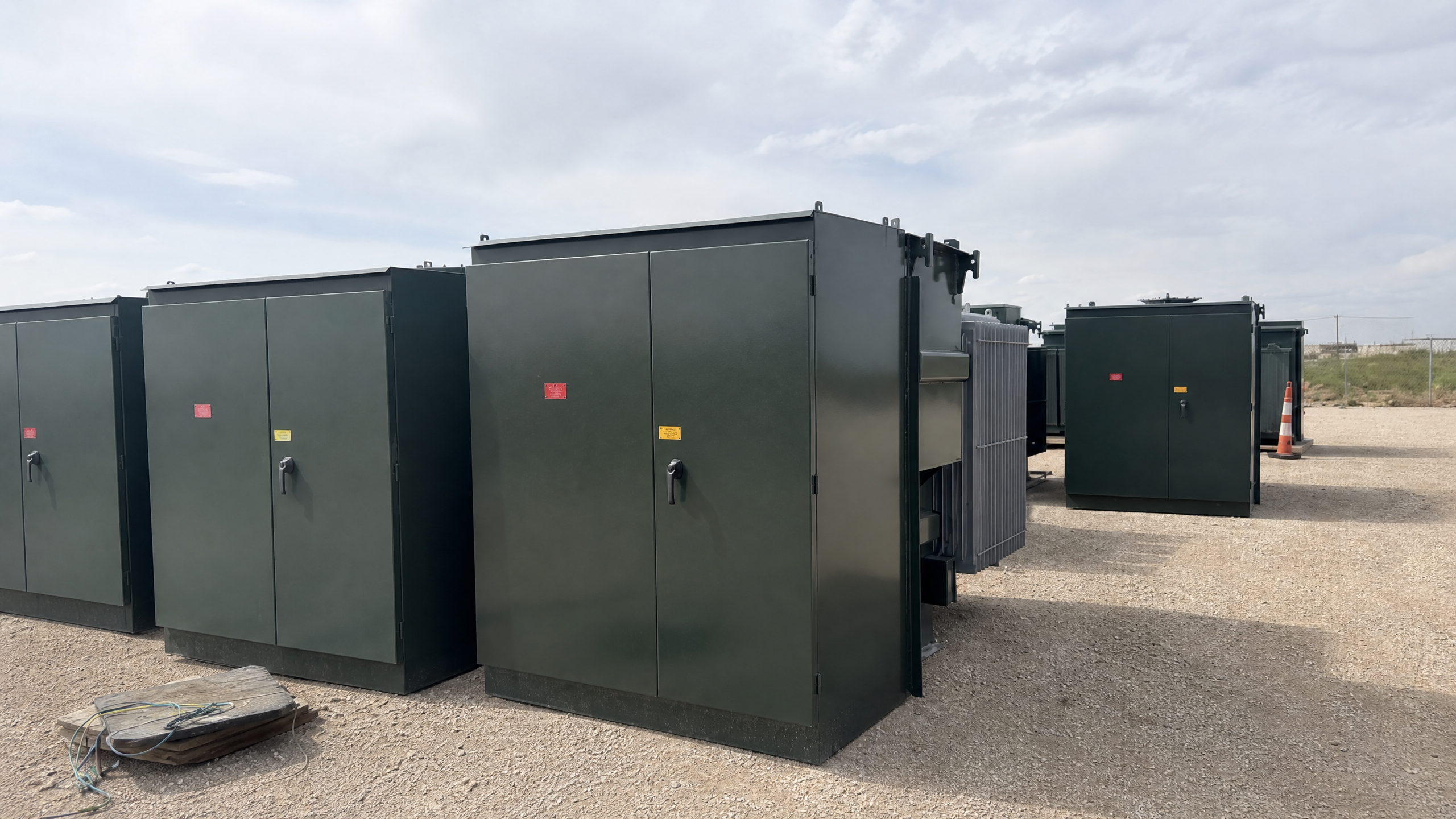
Dry-type transformers serve critical roles in indoor environments, commercial buildings, and industrial facilities where liquid-filled units may not be suitable. When facility upgrades or demolitions result in surplus dry-type equipment, owners must determine the most effective method for asset disposition. We evaluate both ventilated and totally enclosed non-ventilated (TENV) dry-type transformers, analyzing their specifications, enclosure types, and internal configurations. The evaluation process requires accurate nameplate data, including the kVA rating, primary and secondary voltages, impedance, and the specific temperature rise characteristics of the unit. This point must be verified against the specific Dry-Type Transformers nameplate and project record before a transaction decision.
Because dry-type transformers rely on air for cooling and insulation, their operating environments significantly impact their condition and residual value. Units housed in clean, climate-controlled electrical rooms typically maintain better internal integrity than those exposed to industrial dust or moisture. When assessing your equipment, our team considers the enclosure rating, the condition of the coils and core, and any signs of overheating. Providing clear photographs of the transformer's interior and exterior, along with detailed maintenance records, allows us to conduct a thorough initial review of your available dry-type assets. This point must be verified against the specific Dry-Type Transformers nameplate and project record before a transaction decision.
Important Nameplate and Electrical Specifications
The value and marketability of a dry-type transformer depend heavily on its specific electrical characteristics and manufacturing details. During our evaluation, we carefully review the primary and secondary voltage configurations, phase requirements, and the vector group. Dry-type units are manufactured with various winding materials, primarily copper or aluminum, which is a critical factor in determining the equipment's base value and physical weight. Understanding the winding material, along with the core construction and the insulation system class, helps us accurately assess the unit's specifications against current industry demands. This point must be verified against the specific Dry-Type Transformers nameplate and project record before a transaction decision.
In addition to standard voltage and capacity ratings, specialized dry-type transformers, such as isolation transformers and K-factor rated units for non-linear loads, require specific documentation for proper evaluation. The nameplate provides essential data points, including the manufacturer, serial number, manufacturing date, and total weight, which are necessary for both valuation and logistical planning. When preparing to sell your dry-type transformers, ensuring that all nameplate information is legible and fully documented streamlines the review process and enables our purchasing team to provide a precise assessment of your electrical equipment. This point must be verified against the specific Dry-Type Transformers nameplate and project record before a transaction decision.
Condition Assessment and Testing Information
The physical and operational condition of a dry-type transformer is a primary determinant in the purchasing process. While we evaluate equipment in various conditions, from functioning surplus to units requiring complete decommissioning, understanding the current state of the transformer is essential. We review any available testing data, such as insulation resistance tests, winding resistance measurements, and turns ratio test results. For dry-type units, the integrity of the coil insulation and the absence of moisture ingress or physical damage to the core and coil assembly are critical indicators of the equipment's status. This point must be verified against the specific Dry-Type Transformers nameplate and project record before a transaction decision.
If recent electrical testing has not been performed, visual inspections become even more important in assessing the transformer's condition. We look for indications of thermal stress, such as discolored insulation, brittle connections, or signs of arcing within the enclosure. The condition of the terminal boards, tap changers, and grounding connections also provides valuable insight into the unit's history and maintenance. By providing comprehensive information about the equipment's operational history, storage conditions, and any known defects or past repairs, sellers can facilitate a more accurate and efficient evaluation by our purchasing department. This point must be verified against the specific Dry-Type Transformers nameplate and project record before a transaction decision.
Logistical Considerations for Dry-Type Transformers
Removing and transporting dry-type transformers requires careful planning, particularly because these units are often located deep within commercial buildings, basements, or upper-floor electrical rooms. The physical dimensions, total weight, and access constraints of the installation site must be thoroughly evaluated before initiating any transaction. We work with sellers to understand the specific rigging requirements, freight elevator capacities, and loading dock availability at the facility. Clear communication regarding the path of egress, including doorway measurements and floor load limits, is necessary to ensure that the equipment can be safely and efficiently removed. This point must be verified against the specific Dry-Type Transformers nameplate and project record before a transaction decision.
The structural integrity of the transformer's enclosure must also be considered during the planning phase. Unlike liquid-filled units, dry-type transformers may have lighter enclosures that require specific lifting and handling techniques to prevent damage to the internal core and coils. We review the manufacturer's lifting provisions, such as designated lifting eyes or forklift channels, to determine the appropriate equipment needed for extraction. By addressing these logistical variables early in the evaluation process, Padmount Transformer Buyers helps coordinate the complex requirements associated with removing large electrical assets from challenging indoor environments. This point must be verified against the specific Dry-Type Transformers nameplate and project record before a transaction decision.
The Purchasing Process and Transaction Timing
Managing the disposition of surplus electrical equipment often involves strict project timelines, facility handover dates, or demolition schedules. Padmount Transformer Buyers recognizes the importance of aligning the equipment evaluation and purchasing process with your specific project milestones. Once we receive the necessary nameplate data, condition reports, and photographs, our team conducts a prompt review to determine the equipment's value. We communicate clearly regarding our interest in the assets and the steps required to finalize a transaction, ensuring that facility managers, contractors, and asset owners can make informed decisions. This point must be verified against the specific Dry-Type Transformers nameplate and project record before a transaction decision.
Effective coordination between all parties is essential for a successful transaction. We require clear documentation of equipment ownership and authorization to sell before proceeding with any purchase. By establishing transparent communication channels and setting realistic expectations for the evaluation, removal, and logistics coordination, we aim to streamline the disposition process. Whether you are upgrading a single electrical room or decommissioning an entire industrial facility, contact our purchasing team at 954-740-1983 to discuss your timeline and initiate the evaluation of your surplus dry-type transformer inventory. This point must be verified against the specific Dry-Type Transformers nameplate and project record before a transaction decision.