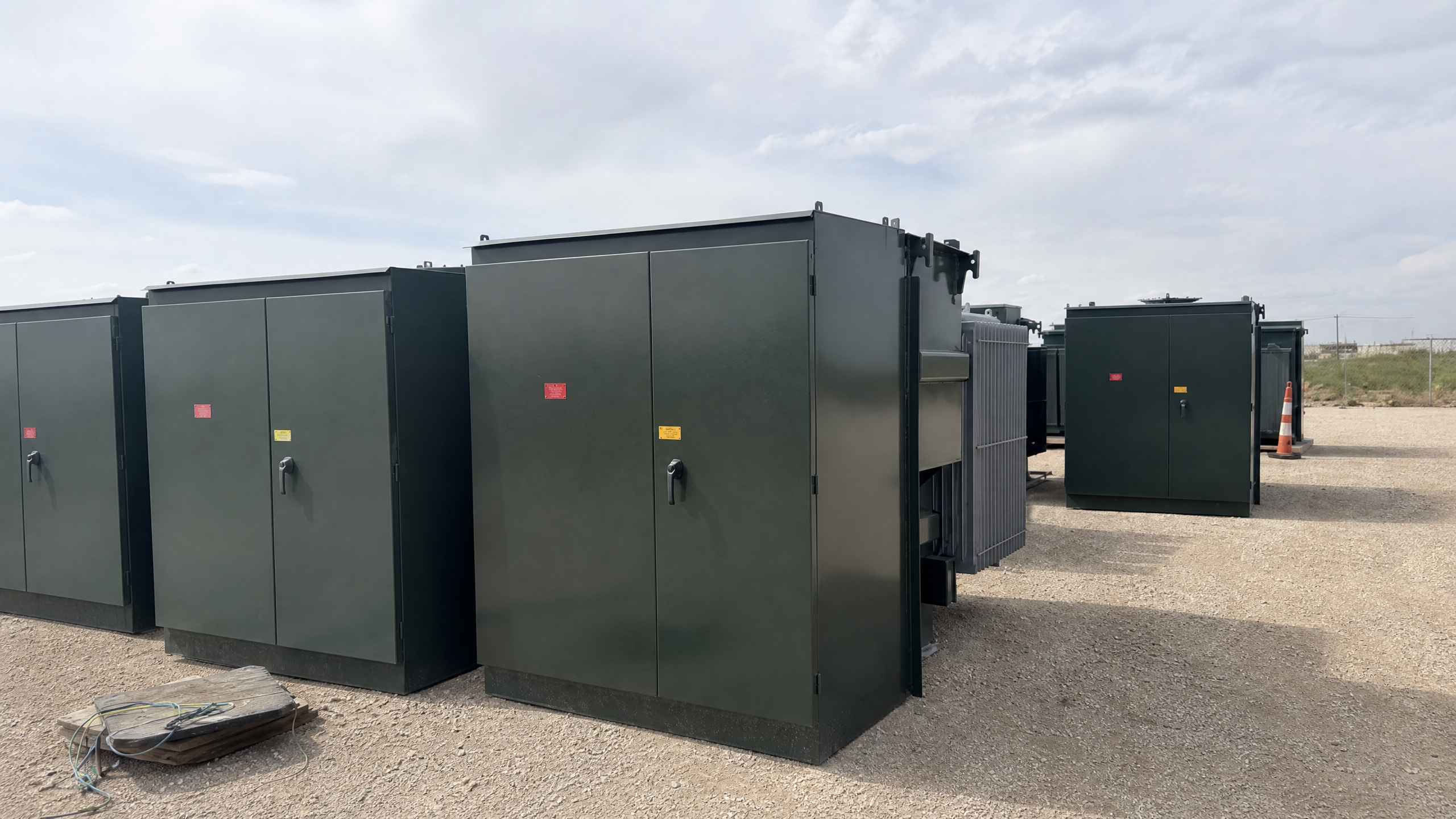
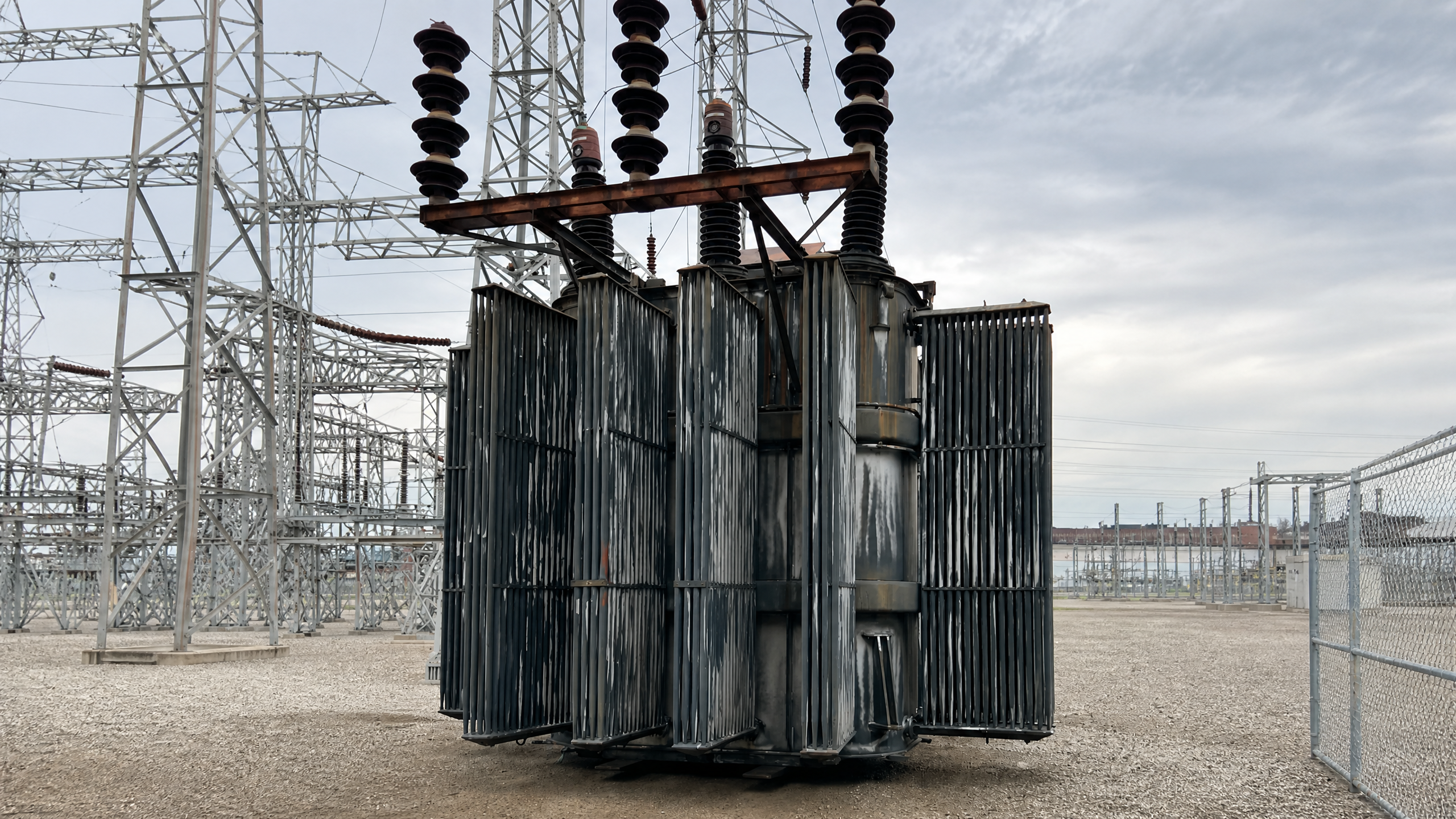
Evaluating Liquid-Filled Distribution and Power Transformers
Oil-filled transformers serve as critical components in utility networks and industrial plants, eventually reaching the end of their lifecycle or becoming surplus. When determining secondary market potential, evaluation heavily depends on comprehensive nameplate data, including kVA rating, primary and secondary voltages, impedance, and manufacturing year. Units from smaller distribution transformers to large power transformers require accurate documentation. Providing clear photographs of the manufacturer's nameplate is the foundational step in initiating the review process. This point must be verified against the specific Oil-Filled Transformers nameplate and project record before a transaction decision.
Beyond basic electrical specifications, the physical configuration and cooling class play a significant role in assessing oil-filled equipment. Information regarding radiators, cooling fans, load tap changers, and bushing arrangements helps our team understand the scope of the unit. Noting whether the transformer was utilized in a step-up or step-down application, and identifying its original operating environment, contributes to a precise evaluation. Gathering these technical details upfront facilitates an efficient review and streamlines the assessment. This point must be verified against the specific Oil-Filled Transformers nameplate and project record before a transaction decision.
The Importance of Fluid History and Condition Reporting
For liquid-filled transformers, the history and current status of the dielectric fluid are just as critical as electrical specifications. Accurate documentation of insulating oil, including past dissolved gas analysis and PCB test results, is essential for a complete evaluation. Sellers should identify the type of fluid specified on the nameplate and provide available maintenance records tracking fluid condition. Knowing whether the unit is currently filled, partially drained, or empty significantly impacts logistical planning. This point must be verified against the specific Oil-Filled Transformers nameplate and project record before a transaction decision.
The physical condition of the transformer tank and external components also requires careful documentation. Signs of active fluid leaks, severe exterior corrosion, or impact damage to cooling fins should be noted during the initial inventory process. While units do not need to be in pristine condition to be considered, transparent reporting of physical deterioration ensures the evaluation accurately reflects the equipment's state. Providing recent photographs capturing the entire unit allows our team to make informed decisions. This point must be verified against the specific Oil-Filled Transformers nameplate and project record before a transaction decision.
Logistics, Rigging, and Site Access Considerations
The successful removal and transportation of oil-filled transformers demand careful planning, due to the significant weight and physical dimensions associated with liquid-filled equipment. Sellers must assess site conditions to determine the feasibility of accessing the transformer with heavy machinery, such as cranes and specialized trailers. Factors including overhead clearances, weight restrictions on access roads, and proximity to active operations must be evaluated before scheduling rigging activities. Clear communication regarding the physical environment helps prevent unexpected delays. This point must be verified against the specific Oil-Filled Transformers nameplate and project record before a transaction decision.
In addition to site access, preparation of the transformer for transport is a critical component of the transaction timeline. Depending on the unit's size, it may be necessary to remove external components such as radiators, bushings, and conservator tanks to meet legal shipping dimensions. Furthermore, the status of the dielectric fluid must be addressed; units may need to be shipped full, partially drained with a nitrogen blanket, or completely empty. Coordinating these steps ensures safe movement. This point must be verified against the specific Oil-Filled Transformers nameplate and project record before a transaction decision.
Managing Surplus Equipment from Facility Upgrades
Industrial facilities, utility companies, and commercial complexes frequently generate surplus oil-filled transformers during infrastructure modernizations, capacity expansions, or plant decommissioning projects. Managing this surplus equipment effectively requires a structured approach to asset recovery, rather than allowing decommissioned units to occupy valuable storage space. Padmount Transformer Buyers works directly with project managers, electrical contractors, and facility owners to review redundant assets, providing an avenue to offload equipment no longer required for active operations. This point must be verified against the specific Oil-Filled Transformers nameplate and project record before a transaction decision.
Equipment removal timelines are often dictated by the broader schedule of the facility upgrade or demolition project. Coordinating the evaluation and subsequent extraction of transformers with overall project milestones is essential to avoid disrupting ongoing site work. By initiating the review process early in the project lifecycle, sellers can ensure logistical arrangements are in place before transformers need to be physically removed. This proactive approach facilitates a smoother transition and maintains project momentum. This point must be verified against the specific Oil-Filled Transformers nameplate and project record before a transaction decision.
Initiating the Transformer Evaluation Process
To begin evaluating your surplus or out-of-service oil-filled transformers, the first step involves compiling necessary technical and logistical information. Our team requires clear, legible images of every equipment nameplate, along with wide-angle photographs showing the overall condition of each unit and its location. Sellers should gather available fluid test reports, maintenance logs, and details regarding site accessibility for heavy transport vehicles. Organizing this data into a comprehensive package allows us to conduct a thorough preliminary review. This point must be verified against the specific Oil-Filled Transformers nameplate and project record before a transaction decision.
Once initial information is submitted, Padmount Transformer Buyers will review the specifications against our current equipment requirements. If the transformers align with our operational focus, we will discuss the logistical framework, including the timeline for equipment preparation and transportation. Our goal is to provide a structured transaction that addresses the technical complexities of moving liquid-filled equipment while meeting the seller's project deadlines. Contact our purchasing team at 954-740-1983 to discuss your inventory and start the evaluation. This point must be verified against the specific Oil-Filled Transformers nameplate and project record before a transaction decision.