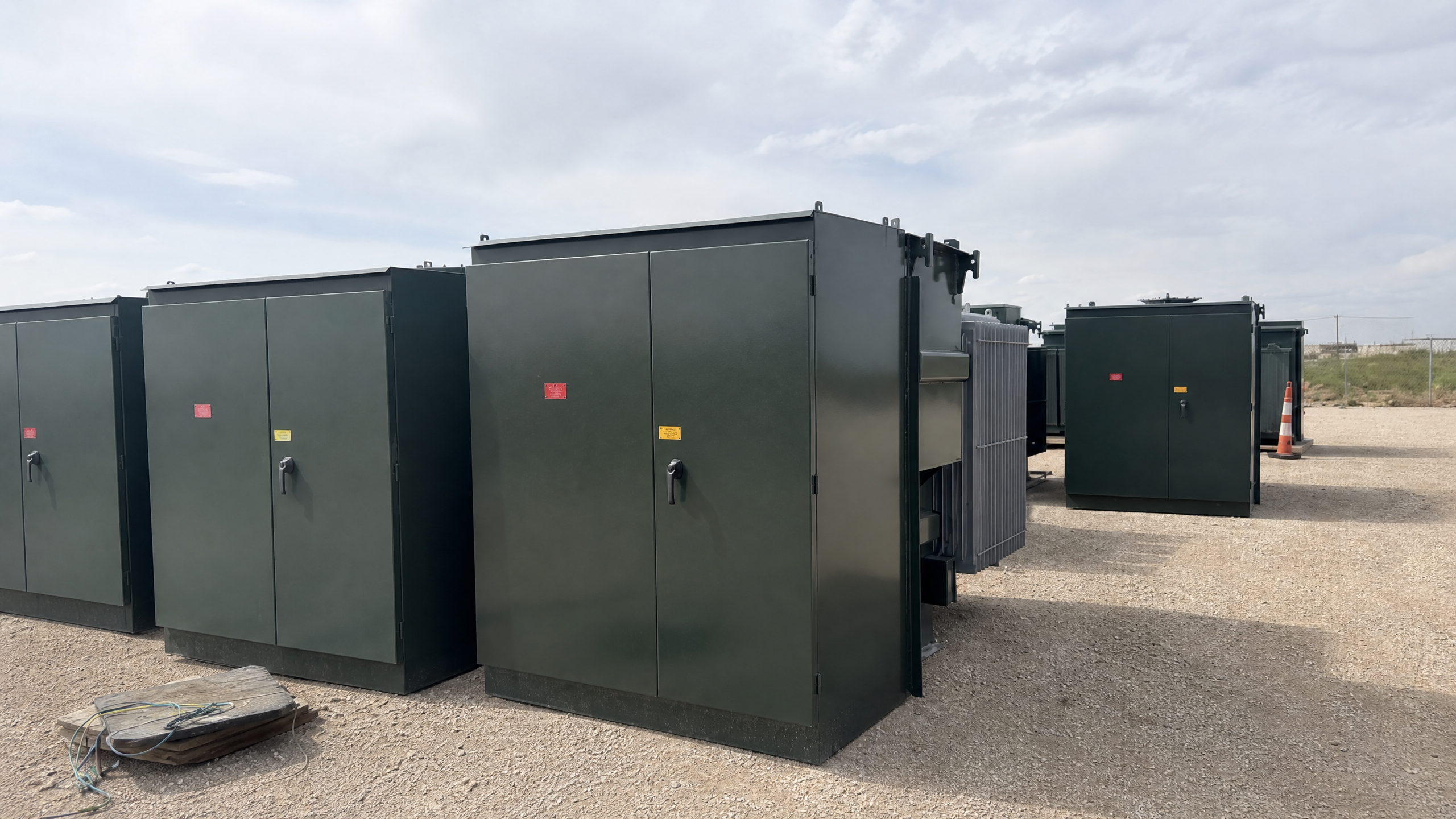
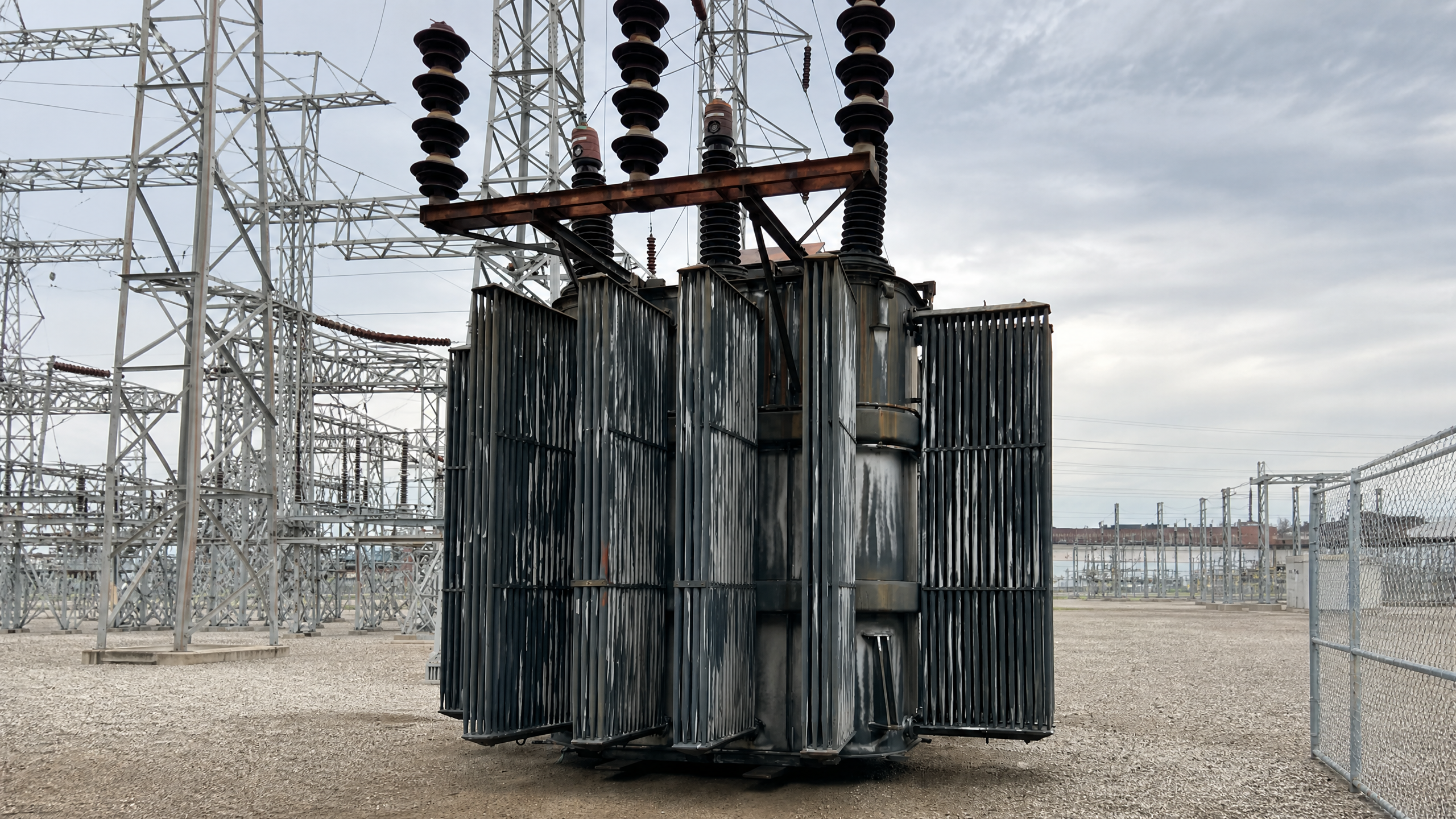
Evaluating Single-Phase and Three-Phase Overhead Units
When pole-mount transformers are taken out of service due to grid upgrades, capacity increases, or facility decommissioning, they retain value in the secondary equipment market. We evaluate single-phase and three-phase overhead transformers, looking at their primary and secondary voltage ratings, kVA capacity, and physical condition. Because these units withstand harsh outdoor environments, assessing the integrity of the tank, bushings, and mounting brackets is a critical first step in determining their potential for reuse or material recovery. This point must be verified against the specific Pole-Mount Transformers nameplate and project record before a transaction decision.
The secondary market relies on accurate nameplate data and clear operational history. Gathering information about the manufacturer, date of manufacture, and impedance helps us provide a precise evaluation. We review units across a wide spectrum of capacities, from small residential 10 kVA single-phase transformers to larger 500 kVA three-phase units. Understanding the specific electrical characteristics and the operating environment allows us to quickly determine how your surplus assets align with industry demands. This point must be verified against the specific Pole-Mount Transformers nameplate and project record before a transaction decision.
Assessing Equipment Condition and Fluid Status
The condition of the insulating fluid is a paramount consideration when evaluating used pole-mount transformers. Providing recent dissolved gas analysis (DGA) reports or fluid test results can significantly streamline the review process. We look for information regarding the presence of polychlorinated biphenyls (PCBs), as units must be properly categorized according to their non-PCB status. Even if testing has not been performed recently, knowing the historical fluid maintenance and any known leaks allows us to assess necessary handling procedures. This point must be verified against the specific Pole-Mount Transformers nameplate and project record before a transaction decision.
The external physical condition of the transformer tank dictates the complexity of the acquisition. Pole-mount units are exposed to weather and wildlife, leading to potential rust, corrosion, or damage to cooling fins. We evaluate external wear, focusing on the structural integrity of lifting lugs and mounting hardware essential for safe removal. Documenting the condition of high-voltage and low-voltage bushings, including any chips or cracks, ensures that all logistical and safety considerations are addressed before moving the equipment. This point must be verified against the specific Pole-Mount Transformers nameplate and project record before a transaction decision.
Logistics, Access, and Safe Removal Considerations
The physical location and accessibility of pole-mount transformers play a crucial role in planning a transaction. Overhead transformers require specialized equipment such as bucket trucks or cranes for safe detachment and lowering. When evaluating your equipment, we consider site conditions, including terrain stability, overhead clearances, and proximity to active roadways. Clear communication regarding site access restrictions and necessary utility coordination ensures that the rigging and removal process can be executed without unnecessary delays. This point must be verified against the specific Pole-Mount Transformers nameplate and project record before a transaction decision.
Once lowered to the ground, preparing transformers for transport requires careful handling. Pole-mount units are top-heavy and must be properly palletized or secured to transport trailers to prevent tipping or fluid leakage. We work with sellers to understand available on-site resources, such as forklifts, to coordinate logistics effectively. Addressing these rigging and loading requirements early helps develop a plan that minimizes disruption while ensuring the safe transfer of the equipment from your facility. This point must be verified against the specific Pole-Mount Transformers nameplate and project record before a transaction decision.
Information Required for a Comprehensive Evaluation
To initiate the evaluation of surplus pole-mount transformers, clear documentation is essential. A legible photograph of the nameplate containing specifications, serial number, voltage ratings, and manufacturing date allows us to cross-reference capabilities with our acquisition parameters. Additionally, providing wide-angle photographs of the transformer in its location, along with close-up shots of bushings and tank seams, gives us a visual understanding of its physical condition and logistical challenges. This point must be verified against the specific Pole-Mount Transformers nameplate and project record before a transaction decision.
Sharing maintenance records, testing reports, or operational logs enhances the evaluation process. Information regarding the reason for removal helps us understand the unit's operational status. If the transformer was stored outdoors after removal, details about storage conditions and duration are valuable. By compiling this information upfront, you enable our team to conduct a thorough review and respond with a clear plan for acquiring your surplus overhead distribution equipment. This point must be verified against the specific Pole-Mount Transformers nameplate and project record before a transaction decision.
Understanding the Transaction and Acquisition Process
Navigating the sale of surplus electrical equipment requires a structured approach. When you contact Padmount Transformer Buyers at 954-740-1983, our process begins with a detailed review of the information and photographs you provide. We analyze the specifications and condition of your pole-mount transformers to determine viability for acquisition. If the equipment aligns with our requirements, we will outline the next steps, which may include requesting documentation, scheduling a site visit, or discussing logistical requirements for removal and transport. This point must be verified against the specific Pole-Mount Transformers nameplate and project record before a transaction decision.
Our goal is to facilitate a transparent and efficient transaction that aligns with your project timelines. We understand that clearing surplus equipment is often tied to larger facility upgrades, and delays can impact project schedules. By establishing clear communication channels and setting realistic expectations regarding the evaluation timeline, we strive to make the process straightforward. Whether managing a large-scale utility update or disposing of a few units from an industrial complex, our team is equipped to handle acquiring your decommissioned pole-mount transformers. This point must be verified against the specific Pole-Mount Transformers nameplate and project record before a transaction decision.