Evaluating Your Step-Down Transformer Inventory
Step-down transformers are critical components in electrical distribution, responsible for reducing transmission or distribution voltages to levels suitable for utilization loads. When industrial facilities upgrade their infrastructure, or utilities reconfigure their networks, these transformers often become surplus. We evaluate step-down transformers ranging from medium-voltage distribution units to larger substation-class equipment. Understanding the specific primary and secondary voltage ratings, kVA capacity, and cooling class is essential for determining the equipment's current market viability. This point must be verified against the specific Step-Down Transformers nameplate and project record before a transaction decision.
The evaluation process for step-down transformers requires detailed nameplate information and operational history. Facilities looking to sell their equipment should gather data on the vector group, impedance percentage, and tap changer configurations. Whether the unit features an off-circuit tap changer or an on-load tap changer can significantly influence its evaluation. By reviewing these technical specifications alongside recent dissolved gas analysis reports and insulation resistance test results, our team can efficiently assess your step-down transformer inventory. This point must be verified against the specific Step-Down Transformers nameplate and project record before a transaction decision.
Condition Assessment for Step-Down Units
The physical and electrical condition of a step-down transformer dictates how it is processed after acquisition. We review units in a wide range of conditions, from lightly used spares kept in climate-controlled storage to aging transformers that have operated at near-maximum capacity for decades. Information regarding the condition of the core and coil assembly, the integrity of the tank and radiators, and the state of the bushings helps us understand what is required to safely remove and transport the equipment. This point must be verified against the specific Step-Down Transformers nameplate and project record before a transaction decision.
For oil-filled step-down transformers, the condition of the insulating fluid is a primary consideration. We ask sellers to provide any available fluid test data, particularly concerning moisture content, dielectric breakdown voltage, and the presence of polychlorinated biphenyls. Dry-type step-down transformers are assessed based on the condition of their winding insulation, enclosure integrity, and environmental exposure history. Documenting any known faults, recent maintenance activities, or signs of overheating allows for a more accurate and straightforward evaluation of your surplus equipment. This point must be verified against the specific Step-Down Transformers nameplate and project record before a transaction decision.
Logistics and Rigging Considerations
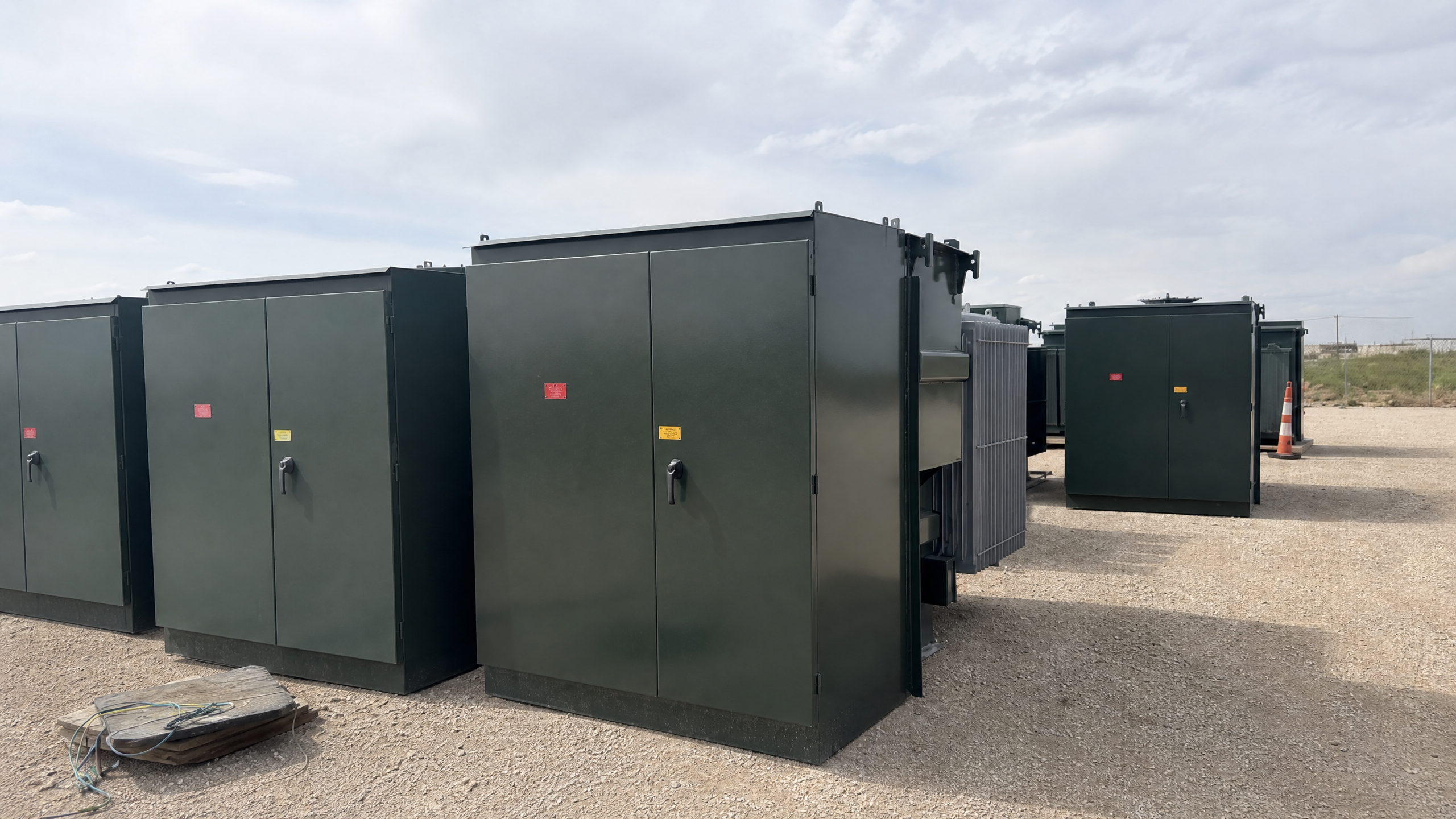
Removing step-down transformers from industrial sites or utility substations involves careful logistical planning. These units can range from relatively compact dry-type transformers to massive liquid-filled units weighing tens of thousands of pounds. Assessing the site access is the first step in planning the extraction. We need to know if the transformer is located on a concrete pad with clear crane access, situated inside a manufacturing facility requiring specialized skating equipment, or positioned in a restricted-clearance area that complicates rigging operations. This point must be verified against the specific Step-Down Transformers nameplate and project record before a transaction decision.
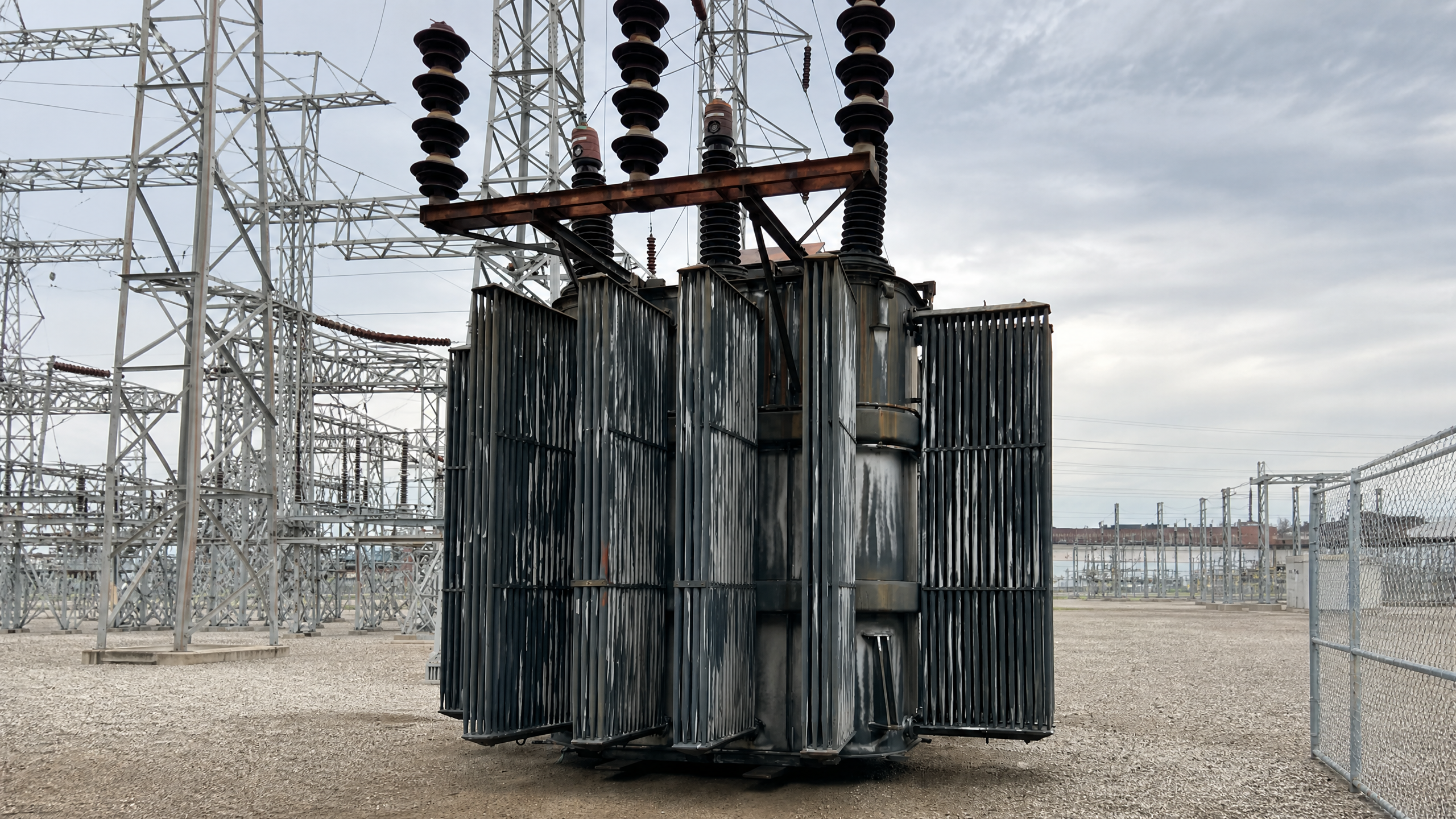
Preparing a step-down transformer for transport often requires specific steps depending on its size and design. Large liquid-filled units may need to have their radiators, conservator tanks, and high-voltage bushings removed to meet highway transportation clearances. Additionally, some transformers must be partially or fully drained of their insulating fluid before they can be safely moved. Providing details about the facility's loading docks, ground conditions, and any site-specific safety protocols ensures that the logistical approach aligns with your operational requirements. This point must be verified against the specific Step-Down Transformers nameplate and project record before a transaction decision.
Information Required for Equipment Review
To initiate the review of your surplus step-down transformers, compiling comprehensive documentation is highly beneficial. The most critical piece of information is a clear, legible photograph of the manufacturer's nameplate, which contains the fundamental electrical characteristics and manufacturing details. Alongside the nameplate, wide-angle photographs showing the transformer in its current setting help us understand its physical footprint and the surrounding access points. Close-up images of the bushings, control cabinets, and cooling systems provide additional context regarding the unit's configuration. This point must be verified against the specific Step-Down Transformers nameplate and project record before a transaction decision.
Beyond visual documentation, technical records play a significant role in the evaluation. If the step-down transformer has been recently decommissioned, providing the most recent maintenance logs, testing reports, and fluid analysis results can expedite the review process. For units that have been stored as spares, information about the storage conditions, such as whether nitrogen blanketing was maintained, is highly relevant. Gathering this data upfront allows our purchasing team to quickly determine the equipment's specifications and proceed with the evaluation. This point must be verified against the specific Step-Down Transformers nameplate and project record before a transaction decision.
The Purchasing Process for Step-Down Transformers
Padmount Transformer Buyers works directly with equipment owners to streamline the acquisition of surplus step-down transformers. When you contact us at 954-740-1983, our team will request the necessary nameplate data, photographs, and condition reports to begin the assessment. We focus on clear communication throughout the review, ensuring that asset managers, contractors, and facility operators understand what information is needed and how it impacts the evaluation. Our goal is to provide a straightforward pathway for divesting your surplus electrical equipment. This point must be verified against the specific Step-Down Transformers nameplate and project record before a transaction decision.
Once the equipment details are reviewed and an agreement is reached, we coordinate the logistical aspects of the transaction. This includes scheduling the extraction and transportation of the step-down transformers in a manner that minimizes disruption to your ongoing operations. Whether you are clearing out a single decommissioned unit from a commercial building or liquidating an entire fleet of step-down transformers from a utility yard, our nationwide purchasing capabilities allow us to manage the acquisition efficiently and professionally. This point must be verified against the specific Step-Down Transformers nameplate and project record before a transaction decision.