A direct path for selling transformer equipment
Padmount Transformer Buyers reviews used, surplus, failed, scrap, and decommissioned electrical transformers for direct purchase across the United States. Sellers may be utilities, electrical contractors, industrial facilities, commercial property teams, renewable-energy developers, demolition firms, equipment owners, or asset managers. The first review centers on the transformer itself: its nameplate, type, capacity, voltages, configuration, condition, location, quantity, loading access, and the timing of the proposed disposition.
The purchasing scope extends from approximately 15 kVA distribution equipment to power transformers rated up to approximately 100 MVA. That range can include pad-mounted, liquid-filled, dry-type, pole-mount, substation, cast-coil, unit-substation, network, step-up, and step-down units. A listing is never treated as automatically accepted. Each opportunity is evaluated from the information the seller provides, and unknown details can be identified honestly rather than guessed.
What makes a transformer review useful
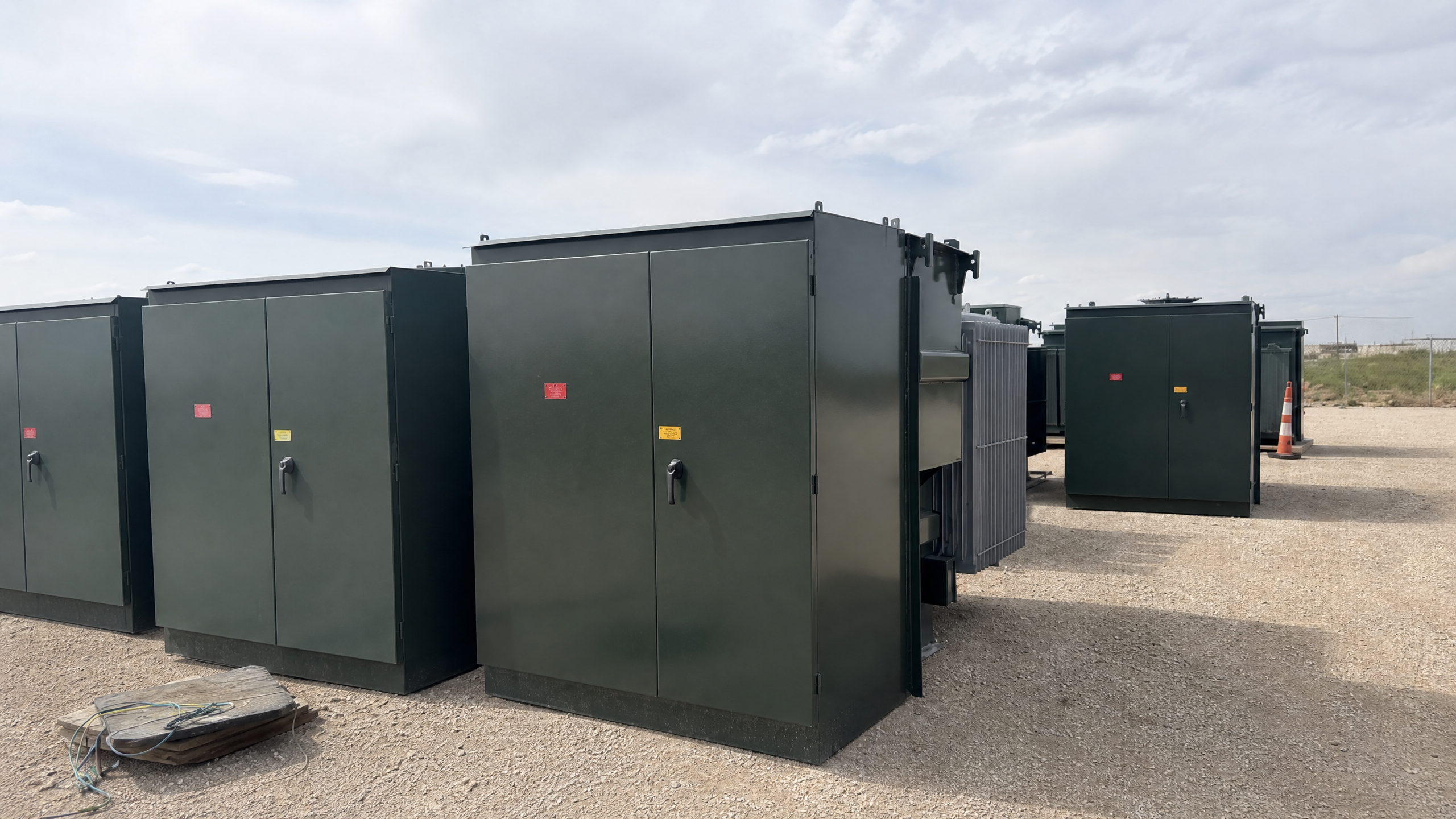
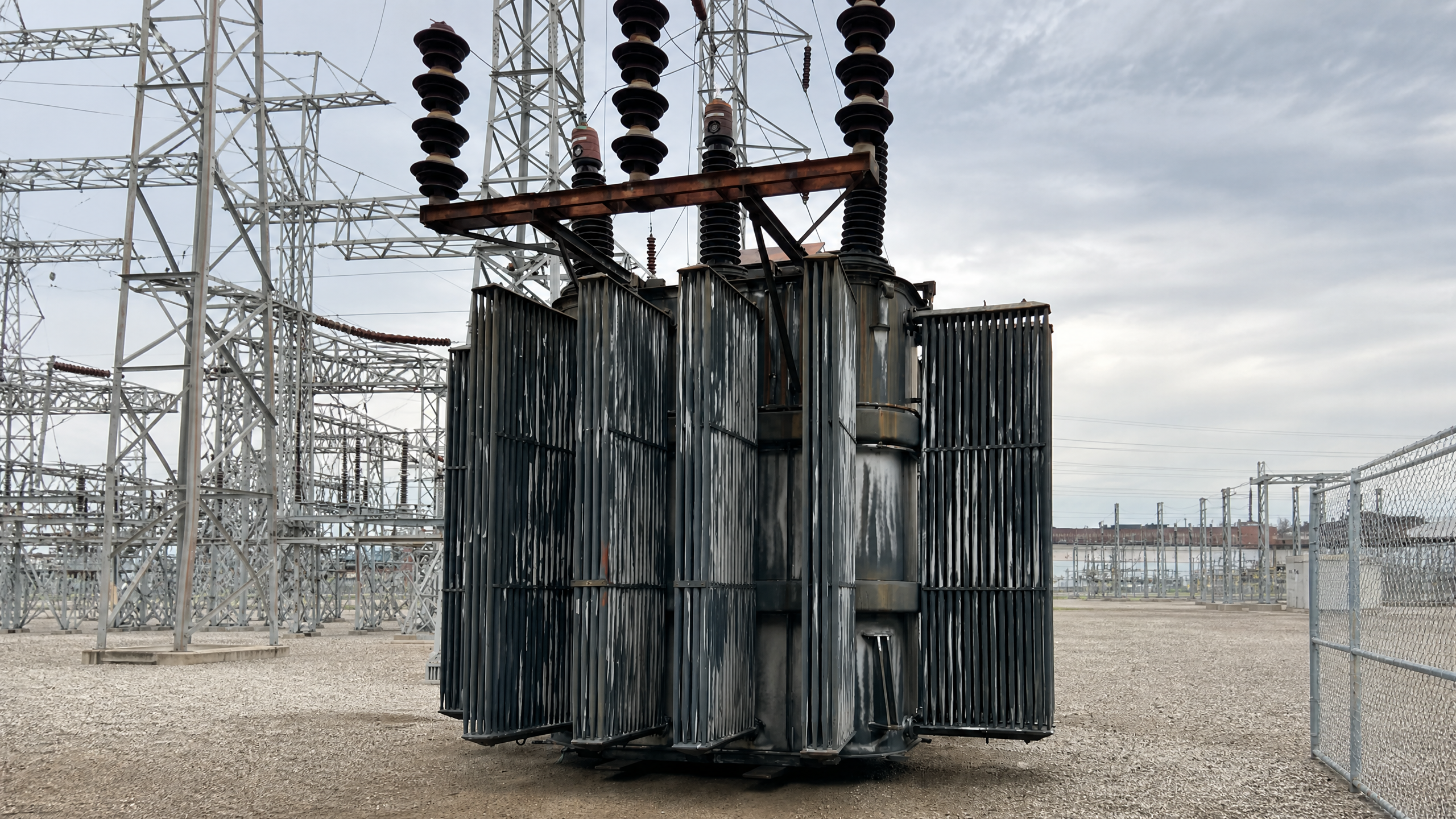
A clear nameplate image is usually the most useful starting document because it can establish the manufacturer, catalog or serial reference, kVA or MVA rating, phase, frequency, primary and secondary voltages, impedance, temperature rise, total weight, fluid volume, and connection information. Wide photographs add the context that a nameplate cannot: enclosure style, radiator arrangement, bushing condition, signs of weathering, missing components, visible leaks, shipping preparation, and whether the transformer is still installed or already staged.
Condition should be described in direct terms. A unit may be operational when removed, stored as a spare, unused surplus, untested, failed, damaged, drained, incomplete, or available only after a scheduled shutdown. For liquid-filled equipment, identify the fluid and provide PCB labels, laboratory reports, dissolved-gas analysis, maintenance records, or other test information if known. The absence of a report does not justify inventing one; it simply becomes part of the buyer's evaluation.
Pickup begins with access and loading facts
Transformer weight and geometry make site conditions part of the commercial review. A padmount already placed on timbers in an open yard presents a different project from a unit inside a vault, behind energized equipment, below restricted overhead clearance, or coupled to switchgear. Sellers should describe the path from the transformer to the truck, gate dimensions, surface conditions, crane or forklift availability, dock or ground-level loading, site orientation requirements, and who is expected to disconnect, rig, lift, or load.
Large power and substation transformers may require information about detachable radiators, bushings, conservators, arresters, control cabinets, oil processing, transport dimensions, axle planning, or the availability of manufacturer drawings. Padmount and distribution units may move more simply, but they still require verified weight, suitable lift points, secure loading, and a realistic appointment window. These details help align the offer discussion with the actual work required to transfer the equipment.
Single units, inventories, and scheduled projects
The quote form supports one transformer or a larger list. For inventories, a spreadsheet or document can organize each unit's identifier, ratings, condition, current location, and matching photo filenames. Grouping accurate data is more useful than sending a single description for unlike equipment. It also helps distinguish units available now from equipment tied to future outages, replacements, demolition phases, lease deadlines, or multi-site programs.
Timing should be specific enough for logistics planning. State whether the transformer is ready for review, still energized, awaiting replacement, scheduled for decommissioning, or subject to a firm removal deadline. If a project has several releases, describe the likely sequence. Padmount Transformer Buyers can then determine whether the equipment, schedule, and access information support a direct purchase conversation without representing that every submission will produce an offer.
How to start
Use the full transformer intake form to send detailed specifications, photographs, and supporting documents, or use the compact form on any public page for an initial conversation. Files should relate directly to the equipment and should not contain passwords, unrelated personal records, or confidential facility information that is unnecessary for evaluation. The form validates required fields on the server, so the submission flow works without browser scripting.
Sellers who prefer to discuss the opportunity first can call 954-740-1983. Be prepared to identify the equipment location, transformer type, approximate rating, condition, quantity, and whether a nameplate photo is available. A concise, accurate first description creates a stronger starting point than unverified claims about value, usability, testing, or local demand.