Understanding Unit-Substation Transformer Valuations
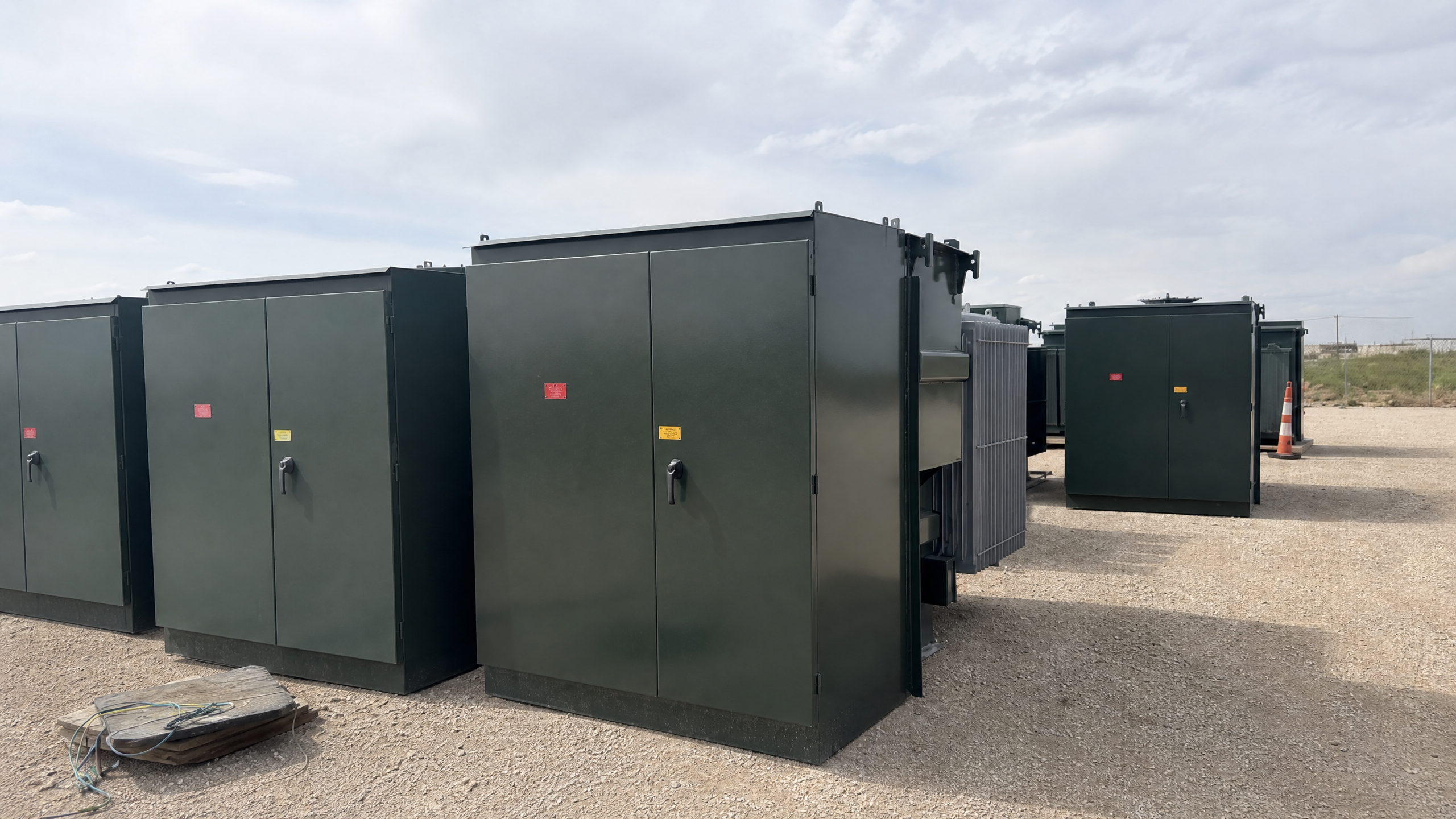
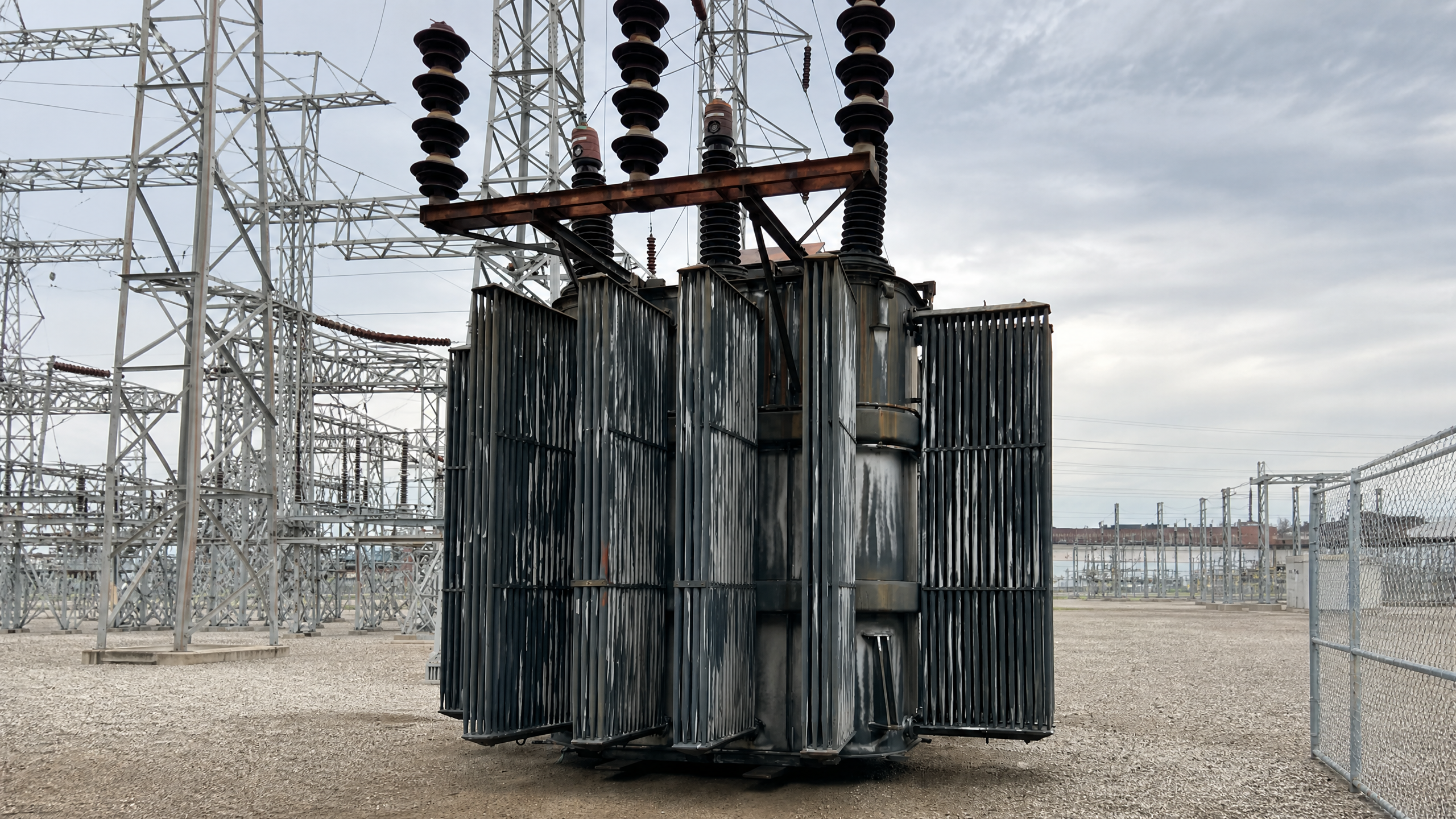
Unit-substation transformers serve as the critical link between high-voltage distribution networks and low-voltage facility utilization equipment, typically featuring flanged throats or specialized terminal chambers for direct connection to switchgear. When evaluating these units for purchase, the specific configuration of primary and secondary connections plays a significant role in determining market viability. Because these transformers are custom-engineered to match specific switchgear dimensions, capturing detailed nameplate data and physical dimensions is essential. Facilities looking to sell these assets must recognize that the mechanical interface is just as important as electrical ratings. This point must be verified against the specific Unit-Substation Transformers nameplate and project record before a transaction decision.
Our evaluation process accounts for various design types, including liquid-filled and dry-type unit-substation transformers, along with their respective voltage ratings, kVA capacities, and impedance values. We examine the overall condition of the enclosure, the integrity of the cooling systems, and the state of the transition sections. Providing comprehensive information about the transformer's operational history, including whether it was removed during a facility upgrade or plant decommissioning, helps us understand the equipment's background. Detailed maintenance logs and operational records further support our review process by offering insights into the asset's reliability. This point must be verified against the specific Unit-Substation Transformers nameplate and project record before a transaction decision.
Critical Electrical and Nameplate Specifications
The foundation of any unit-substation transformer transaction is the nameplate data, which provides essential electrical parameters required for our review. Key specifications include primary and secondary voltage ratings, phase configuration, frequency, and kVA ratings under different cooling stages. Additionally, impedance percentage, basic impulse level, and vector group are critical details determining how the transformer integrates into different electrical systems. We carefully analyze these specifications to gauge equipment suitability, making it imperative that sellers provide clear photographs of the original manufacturer's nameplate before proceeding with an evaluation. This point must be verified against the specific Unit-Substation Transformers nameplate and project record before a transaction decision.
Beyond standard electrical ratings, unit-substation transformers often feature specific tap changer configurations, either de-energized or on-load, which must be thoroughly documented. The type of secondary connection—whether a standard throat, specialized bus duct connection, or air terminal chamber—also significantly impacts the equipment's profile. We require legible photographs of the main nameplate and any auxiliary equipment nameplates, such as those for cooling fans or monitoring gauges, to verify these specifications. Accurate documentation of these electrical and mechanical characteristics ensures that our team can make informed purchasing decisions quickly and efficiently. This point must be verified against the specific Unit-Substation Transformers nameplate and project record before a transaction decision.
Condition Assessment and Fluid Documentation
The physical and operational condition of a unit-substation transformer heavily influences our purchasing decisions. For liquid-filled units, the type of dielectric fluid—whether mineral oil, silicone, or a less-flammable natural ester—must be identified, along with its volume and recent dissolved gas analysis results. Documenting the absence of polychlorinated biphenyls through certified laboratory testing is a mandatory step for transactions involving older equipment. Sellers should be prepared to provide these test results early to avoid delays, as environmental compliance is a paramount consideration. This point must be verified against the specific Unit-Substation Transformers nameplate and project record before a transaction decision.
For dry-type unit-substation transformers, the condition of the coils, insulation integrity, and the state of the protective enclosure are primary concerns during our review. We look for signs of overheating, insulation degradation, or environmental contamination that may have occurred during operation or extended storage. Regardless of the transformer type, recent electrical testing reports, such as megger, turns ratio, and power factor tests, provide valuable insights into the internal health of the unit. Providing a comprehensive condition report allows us to accurately gauge the equipment's current state and viability. This point must be verified against the specific Unit-Substation Transformers nameplate and project record before a transaction decision.
Logistics, Rigging, and Site Access
Removing and transporting unit-substation transformers presents unique logistical challenges due to their substantial weight, dimensions, and the often-constrained environments where they are installed. These units are frequently located deep within industrial plants, in specialized electrical rooms, or on elevated platforms, requiring careful planning for safe extraction. When preparing to sell your equipment, providing detailed information about the site layout, access routes, and overhead restrictions is critical. Understanding the physical pathway from the installation pad to the loading area helps us anticipate potential complications. This point must be verified against the specific Unit-Substation Transformers nameplate and project record before a transaction decision.
Our team requires a clear understanding of how the transformer will be disconnected from the adjoining switchgear and whether specialized rigging, craning, or skidding will be necessary to move the unit. Information regarding the availability of on-site loading docks, heavy-duty forklifts, or crane access helps us determine the appropriate transportation requirements. By addressing these access and rigging considerations early in the discussion, we can structure a transaction that accounts for the practical realities of equipment removal. Effective communication regarding site-specific challenges allows all parties to coordinate a smooth extraction. This point must be verified against the specific Unit-Substation Transformers nameplate and project record before a transaction decision.
The Purchasing and Transaction Process
Initiating the sale of your unit-substation transformer begins with compiling necessary documentation, including nameplate photos, condition reports, and site access details, and contacting Padmount Transformer Buyers at 954-740-1983. Once we receive this information, our team conducts a thorough review to determine the equipment's suitability. If the transformer meets our purchasing criteria, we will present a clear offer based on provided specifications and market conditions. We pride ourselves on offering a streamlined evaluation process that provides a reliable avenue for liquidating surplus electrical infrastructure. This point must be verified against the specific Unit-Substation Transformers nameplate and project record before a transaction decision.
We understand that electrical infrastructure upgrades and facility decommissioning projects operate on strict timelines, and we strive to align our evaluation and purchasing process with your schedule. Our goal is to facilitate a transparent transaction without the delays often associated with finding end-users or navigating complex third-party agreements. By dealing directly with a dedicated buyer, asset managers, utilities, and electrical contractors can efficiently monetize their surplus unit-substation transformers and allocate resources to other critical phases of their projects. Reach out to our team today to discuss your available equipment. This point must be verified against the specific Unit-Substation Transformers nameplate and project record before a transaction decision.