Evaluating Step-Up Transformer Specifications
The primary function of a step-up transformer is to elevate lower generation voltages to higher transmission levels, making their specific electrical characteristics central to any evaluation. When reviewing these units for purchase, the exact voltage ratio, MVA rating, and impedance values are critical data points that must be thoroughly examined. High-voltage configurations designed for utility grid integration differ significantly from those built for specialized industrial testing or localized generation facilities, and these differences dictate their potential applications. Detailed nameplate information allows for an accurate assessment of the equipment's original design parameters, manufacturing standards, and its potential suitability for other high-voltage transmission or industrial distribution applications across the country. This point must be verified against the specific Step-Up Transformers nameplate and project record before a transaction decision.
Beyond the basic voltage and capacity ratings, the physical construction and cooling class of the step-up transformer influence the review process. Units may utilize ONAN, ONAF, OFAF, or more complex cooling methods depending on their specific thermal capacity requirements and operational environments. The vector group, BIL (Basic Insulation Level) ratings, and the presence of load tap changers (LTC) or de-energized tap changers (DETC) provide further insight into the transformer's operational capabilities and flexibility. Gathering this comprehensive technical data upfront facilitates a more precise evaluation of the asset's overall configuration, ensuring that the initial review accurately reflects the transformer's true specifications and capabilities. This point must be verified against the specific Step-Up Transformers nameplate and project record before a transaction decision.
- Voltage ratios and MVA ratings
- Cooling class specifications
- Tap changer configurations
Assessing Condition and Fluid Status
The operational history and current physical condition of a step-up transformer heavily impact its evaluation and potential viability for purchase. Units that have been regularly maintained, monitored, and tested while in service often present clearer, more reliable data regarding their internal health and operational integrity. Recent dissolved gas analysis (DGA) reports, megger testing results, and turns ratio tests offer valuable diagnostic information about the condition of the copper or aluminum windings, paper insulation, and dielectric fluid. Providing direct access to these historical maintenance records and recent test data helps establish a transparent, data-driven baseline for the equipment's current status, which is essential for a thorough review. This point must be verified against the specific Step-Up Transformers nameplate and project record before a transaction decision.
For oil-filled step-up transformers, the status of the dielectric fluid is a significant consideration during the evaluation and planning phase. Information regarding whether the unit is currently filled to capacity, partially drained for maintenance, or completely empty affects the logistical planning for any potential transaction and subsequent transportation. Additionally, verifiable data concerning the PCB (polychlorinated biphenyl) content of the fluid is absolutely necessary, as it dictates the handling, safety, and transportation protocols required by industry standards. Accurate fluid documentation ensures that all subsequent steps align with standard industrial practices for heavy electrical equipment, preventing unforeseen delays during the extraction process. This point must be verified against the specific Step-Up Transformers nameplate and project record before a transaction decision.
- Recent DGA and testing reports
- Dielectric fluid status and levels
- PCB content documentation
Logistics for Large-Scale Electrical Equipment
Step-up transformers are typically substantial, heavy-duty assets, requiring careful, highly coordinated logistical planning for safe removal and transportation. The physical dimensions, total operating weight, and untanking weight are essential metrics needed to determine the appropriate rigging techniques and specialized hauling equipment required for the job. Site accessibility is another major factor; understanding the specific layout of the substation, generation facility, or industrial plant helps identify potential challenges related to crane positioning, ground stability, and heavy-haul truck access. Clear communication about the site's physical constraints, including overhead clearances and gate widths, is necessary for evaluating the overall feasibility and cost of removal. This point must be verified against the specific Step-Up Transformers nameplate and project record before a transaction decision.
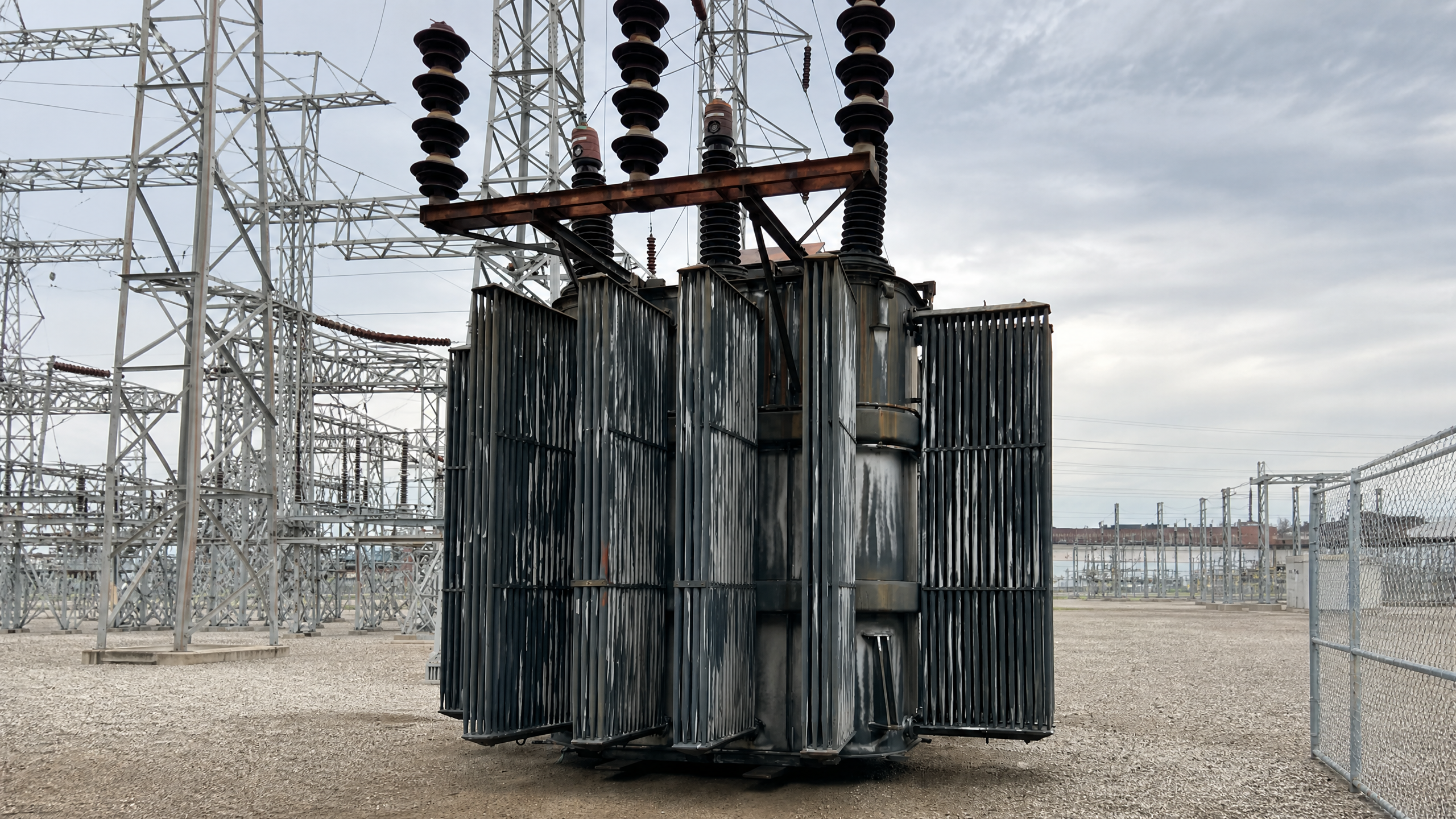
The preparation of the transformer for transport also involves reviewing the status and condition of its various external components and accessories. Bushings, cooling radiators, conservator tanks, and control cabinets may need to be carefully removed, cataloged, and secured prior to shipping, depending on the unit's size and the planned transportation route. Assessing whether these vital components are intact, well-documented, and available for inclusion in the transaction is a crucial part of the comprehensive equipment review process. Coordinating these logistical details early in the evaluation helps streamline the eventual mobilization, dismantling, and extraction of the transformer from its current location. This point must be verified against the specific Step-Up Transformers nameplate and project record before a transaction decision.
- Total weight and dimensions
- Site accessibility and crane constraints
- Status of external components
The Evaluation and Transaction Process
Initiating the evaluation of surplus step-up transformers begins with compiling all the relevant technical, operational, and logistical information available for the unit. Owners, utility asset managers, and decommissioning contractors can start by submitting clear, high-resolution photographs of the equipment, specifically focusing on the main nameplate, overall external condition, and any visible high-voltage connection points. This initial visual and technical data allows Padmount Transformer Buyers to conduct a preliminary, off-site review of the asset's specifications, condition, and general market viability. The primary goal is to establish a clear, comprehensive understanding of the equipment without requiring immediate, time-consuming on-site inspections or disruptions to your facility. This point must be verified against the specific Step-Up Transformers nameplate and project record before a transaction decision.
Following the initial data review, the evaluation process may involve requesting further documentation or clarifying specific details about the transformer's operational history and maintenance routine. If the equipment aligns with current purchasing requirements and inventory needs, the focus shifts to structuring a transaction that accommodates the project's specific timeline and constraints. Whether the transformer is already disconnected and staged for immediate removal or still in place awaiting scheduled decommissioning, establishing clear timelines for extraction and ownership transfer is a top priority. This structured, methodical approach aims to facilitate a straightforward, efficient transaction for industrial and utility sellers nationwide. This point must be verified against the specific Step-Up Transformers nameplate and project record before a transaction decision.
- Submission of nameplate and photos
- Review of operational history
- Timeline coordination for removal
Preparing Your Equipment for Review
Proper preparation and thorough data collection are key elements to ensuring a smooth, efficient evaluation process for surplus step-up transformers. Sellers should ensure that all available documentation, including original manufacturer manuals, factory acceptance test reports, and routine maintenance logs, is gathered, organized, and ready for review. Having this wealth of information readily available not only accelerates the initial review phase but also provides a comprehensive, transparent picture of the asset's entire lifecycle and operational pedigree. Accurate, complete data submission minimizes the need for repeated inquiries, reduces back-and-forth communication, and helps build a solid foundation for the subsequent evaluation and transaction planning. This point must be verified against the specific Step-Up Transformers nameplate and project record before a transaction decision.
In addition to organizing documentation, the physical staging of the equipment, if it has already been decommissioned and relocated, should allow for clear visual inspection via photographs. Ensuring that the nameplate is entirely legible and that all sides of the transformer, including the cooling systems, bushings, and control boxes, are clearly visible in the provided images is highly beneficial to the review process. By presenting a well-documented and clearly photographed asset, sellers enable a more efficient, accurate, and timely assessment of their surplus step-up transformers, moving the entire evaluation process forward effectively and without unnecessary delays. This point must be verified against the specific Step-Up Transformers nameplate and project record before a transaction decision.
- Gathering factory test reports
- Organizing maintenance logs
- Ensuring clear photographic documentation