Evaluating Loop-Feed and Radial-Feed Configurations
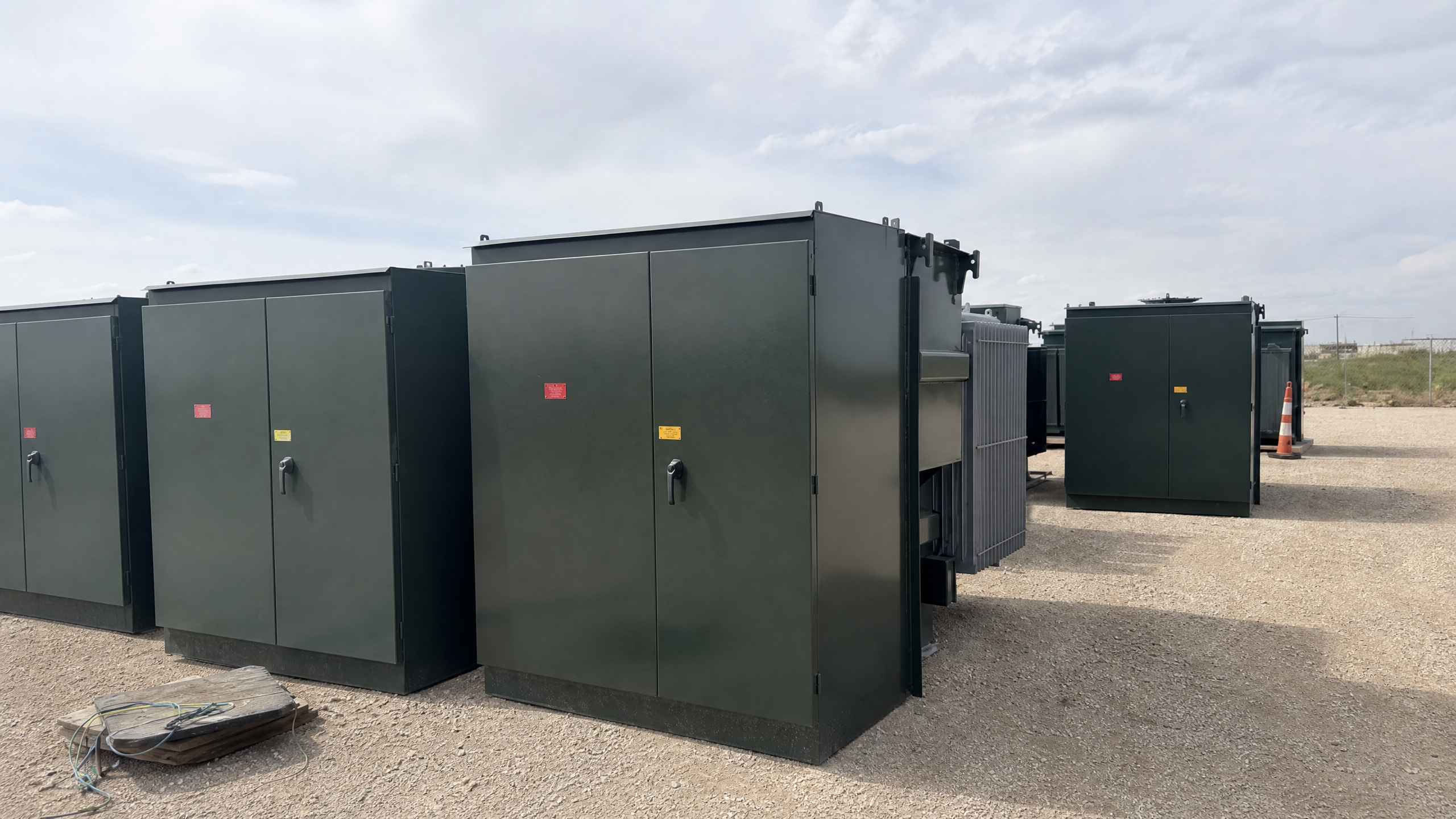
When preparing to sell compartmentalized outdoor distribution transformers, identifying the configuration is a primary step in the valuation process. Loop-feed padmount transformers, typically featuring six high-voltage bushings, are commonly utilized in underground distribution systems where multiple units are connected in a loop. This design allows power to be supplied from two directions, enhancing system reliability. Conversely, radial-feed units, characterized by three high-voltage bushings, are employed in systems where power is supplied from a single source. Both configurations maintain distinct demand profiles in the secondary market. This point must be verified against the specific Padmount Transformers nameplate and project record before a transaction decision.
Providing clear details regarding the configuration and bushing arrangement of your equipment enables a more precise evaluation. Asset managers and project teams should note the presence of dead-front or live-front connections, as these safety and design elements significantly influence the equipment's suitability for future deployment. Accurate documentation of these physical characteristics ensures that the evaluation accurately reflects the specific design of the transformer being offered. This point must be verified against the specific Padmount Transformers nameplate and project record before a transaction decision.
- Verify loop-feed versus radial-feed design.
- Note dead-front or live-front primary connections.
- Document bushing counts and arrangements.
Essential Nameplate and Electrical Specifications
The nameplate is the definitive record of a transformer's electrical capabilities. To accurately assess a padmount transformer, comprehensive nameplate details are required. This includes primary and secondary voltage ratings, kVA capacity, phase count, and the wiring configuration. Additionally, the impedance percentage and basic impulse level (BIL) define the unit's performance characteristics and grid compatibility. This point must be verified against the specific Padmount Transformers nameplate and project record before a transaction decision.
Beyond basic ratings, the manufacturing date and total weight provide context regarding age and material composition. Copper and aluminum windings present different valuation considerations, typically indicated on the nameplate. Capturing a clear photograph of the entire nameplate is the most effective way to communicate these specifications, accelerating the review process. This point must be verified against the specific Padmount Transformers nameplate and project record before a transaction decision.
- Record kVA rating and phase configuration.
- Identify primary and secondary voltage specifications.
- Confirm winding materials (copper or aluminum).
Condition Assessment and Fluid Information
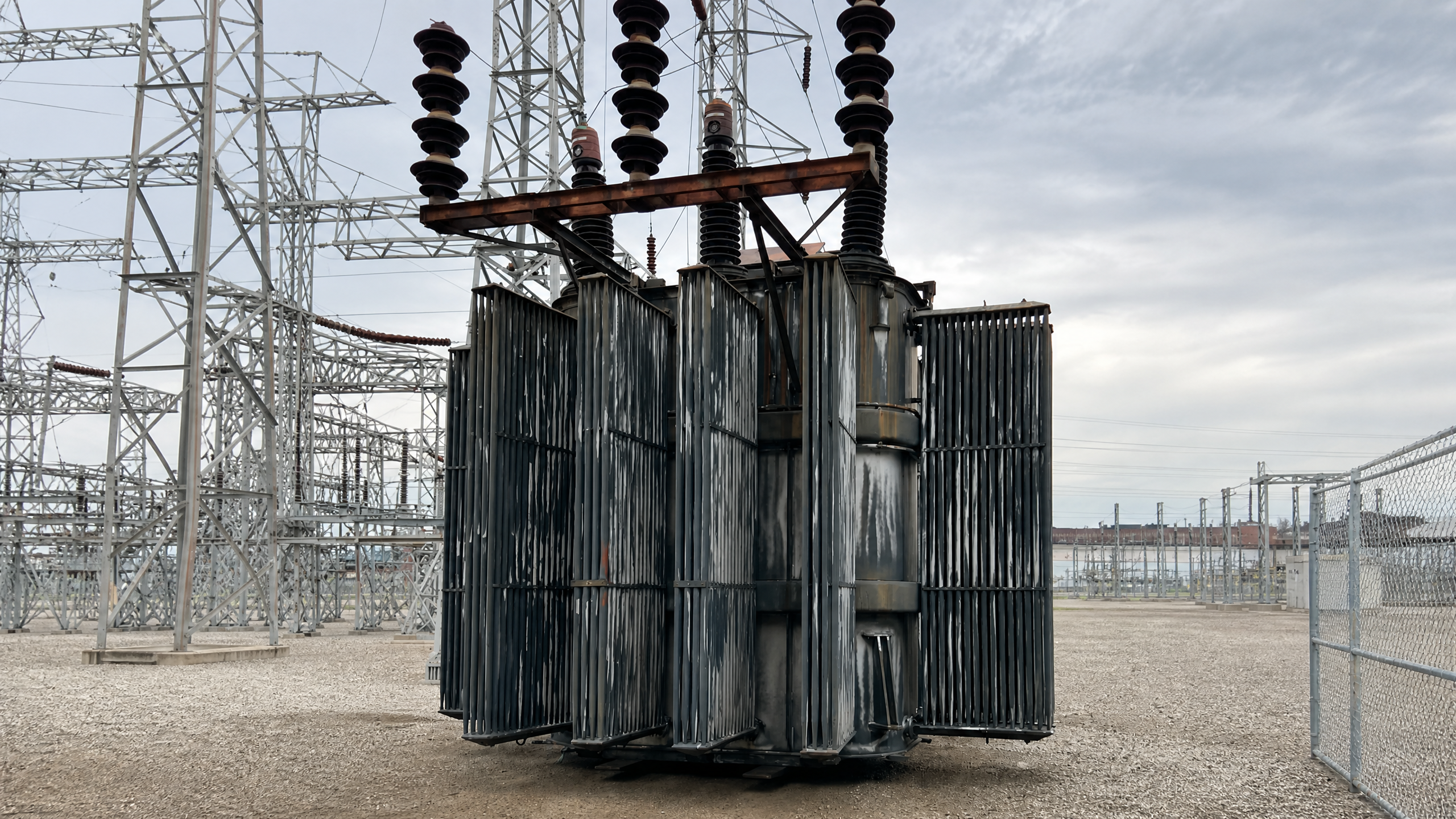
The operational history and physical condition of a padmount transformer are vital to its assessment. Equipment stored indoors often exhibits less exterior wear than units subjected to harsh outdoor elements. Details regarding known operational faults, previous maintenance records, or recent electrical testing—such as Megger or turns ratio tests—provide valuable insight into the internal integrity of the windings and core. Even units that have experienced failures may retain value based on their components. This point must be verified against the specific Padmount Transformers nameplate and project record before a transaction decision.
For liquid-filled padmount transformers, the type and condition of the dielectric fluid are essential. Common fluids include mineral oil, silicone, and natural esters like FR3. Documentation of recent dissolved gas analysis (DGA) or PCB testing is highly beneficial. Identifying whether the unit is currently filled, partially drained, or completely empty impacts the logistics of removal and transport. If testing data is unavailable, this should be disclosed early to ensure appropriate handling protocols. This point must be verified against the specific Padmount Transformers nameplate and project record before a transaction decision.
- Detail current physical and operational condition.
- Specify the type of dielectric fluid present.
- Provide available DGA or PCB test results.
Access, Loading, and Rigging Considerations
The logistical aspects of removing padmount transformers require careful planning. The physical location heavily influences the extraction process. Transformers on concrete pads in open areas typically present straightforward access for cranes and trailers. However, units in constrained spaces, behind fencing, or within active facilities may necessitate specialized rigging, extended crane reaches, or coordinated shutdowns for safe removal. This point must be verified against the specific Padmount Transformers nameplate and project record before a transaction decision.
Clear communication regarding access constraints helps prevent delays. Sellers should provide information on the availability of on-site loading equipment, like heavy-duty forklifts, and whether the site accommodates large vehicles. Providing photographs of the equipment in its current setting, including surrounding terrain and overhead obstructions, allows for an accurate logistical plan tailored to the environment. This point must be verified against the specific Padmount Transformers nameplate and project record before a transaction decision.
- Describe site accessibility and constraints.
- Note availability of on-site lifting equipment.
- Provide photos of the surrounding environment.
Transaction Timing and Communication
Aligning transaction timelines with project schedules is a critical factor for utilities, contractors, and asset managers managing equipment turnover. Whether the padmount transformers are already disconnected and ready for immediate removal, or if they are scheduled for decommissioning in the coming months, establishing a clear timeline upfront facilitates a smoother process. For active upgrade projects, coordinating the removal of the outgoing equipment with the arrival of the new units can minimize site congestion and reduce storage requirements. This point must be verified against the specific Padmount Transformers nameplate and project record before a transaction decision.
Effective communication throughout the evaluation and removal phases ensures that all parties remain informed of the project's status. By providing comprehensive initial details—including specifications, condition reports, and site logistics—sellers enable a prompt and accurate assessment. When you are ready to discuss your surplus or decommissioned padmount transformers, you can reach Padmount Transformer Buyers at 954-740-1983 to begin the evaluation process and coordinate the next steps for your equipment. This point must be verified against the specific Padmount Transformers nameplate and project record before a transaction decision.