Understanding the Value of Surplus Network Transformers
Network transformers are uniquely engineered to operate in confined spaces, typically underground vaults, where they serve high-density load areas such as downtown commercial districts. Because these units are designed to withstand harsh environments, occasional submersion, and heavy continuous loads, they are constructed with robust enclosures and specialized cooling mechanisms. When utility upgrades, building demolitions, or infrastructure modernizations render these transformers surplus, their heavy-duty construction and specialized components retain significant inherent value. Facility managers and utility operators often seek efficient ways to divest these assets without incurring unnecessary storage or disposal costs. This point must be verified against the specific Network Transformers nameplate and project record before a transaction decision.
Selling decommissioned network transformers requires a buyer who understands the specific technical attributes of vault-style equipment. Unlike standard pad-mounted or pole-mounted units, network transformers feature distinct primary switchgear and secondary network protectors that complicate their evaluation. Padmount Transformer Buyers focuses on acquiring these specialized units directly from the source, streamlining the disposition process for asset managers. By recognizing the value in the core, coils, and specialized switchgear, we offer a straightforward avenue to liquidate heavy electrical infrastructure while freeing up valuable vault space and recovering capital for future projects. This point must be verified against the specific Network Transformers nameplate and project record before a transaction decision.
Key Specifications for Evaluating Vault Units
When preparing to sell a network transformer, gathering accurate nameplate data is the critical first step in determining its market viability. The nameplate provides essential details, including the kVA rating, primary and secondary voltages, impedance, and the manufacturing date. Because network transformers often serve critical loads, they frequently feature dual high-voltage ratings or specialized tap changer configurations. Providing clear photographs of the main nameplate, along with any auxiliary tags on the network protector or primary switch, allows our team to accurately assess the equipment's specifications and match it against current purchasing criteria. This point must be verified against the specific Network Transformers nameplate and project record before a transaction decision.
Beyond the basic electrical ratings, the physical configuration of the network transformer plays a significant role in its evaluation. These units are typically designed with either a throat connection or a specialized flange to mate directly with network protectors. The orientation of the high-voltage and low-voltage terminals, the type of primary switch attached, and the overall dimensions of the tank are all important factors. Sellers should document the complete assembly, noting whether the network protector is included in the sale or if the transformer is being offered as a standalone tank. Detailed information regarding these physical characteristics ensures a precise and timely evaluation. This point must be verified against the specific Network Transformers nameplate and project record before a transaction decision.
Condition Assessment and Fluid Considerations
The operational history and current condition of a network transformer significantly influence its disposition. Units that have been regularly maintained and removed from service in working order are evaluated differently than those that have experienced catastrophic failure or prolonged exposure to severe vault conditions. Sellers should disclose any known issues, such as fluid leaks, bushing damage, or internal faults. Providing recent testing reports, such as dissolved gas analysis (DGA) or insulation resistance tests, can greatly facilitate the evaluation process by offering a clear picture of the internal health of the transformer. This point must be verified against the specific Network Transformers nameplate and project record before a transaction decision.
Cooling fluid is another critical component in the assessment of network transformers. Because these units are often installed in confined underground spaces, they may be filled with specialized dielectric fluids, including less-flammable liquids or, in older models, Askarel or other PCB-containing oils. It is imperative to identify the type of fluid currently in the transformer and provide any available laboratory analysis regarding its PCB content. Padmount Transformer Buyers requires accurate fluid documentation to ensure that the equipment meets our purchasing guidelines. Clear communication regarding the dielectric fluid helps streamline the transaction and prevents unexpected complications during the evaluation phase. This point must be verified against the specific Network Transformers nameplate and project record before a transaction decision.
Logistics of Removing and Transporting Network Transformers
The physical extraction of a network transformer from an underground vault or a dense urban substation presents unique logistical challenges. These units are exceptionally heavy and are often located in areas with restricted access, requiring specialized rigging and lifting equipment. When discussing the sale of a network transformer, it is helpful to provide details about the site conditions, including vault dimensions, hatch sizes, and the availability of loading docks or crane access. Understanding the complexities of the removal process allows all parties to coordinate effectively and ensures that the equipment can be safely transported from its current location. This point must be verified against the specific Network Transformers nameplate and project record before a transaction decision.
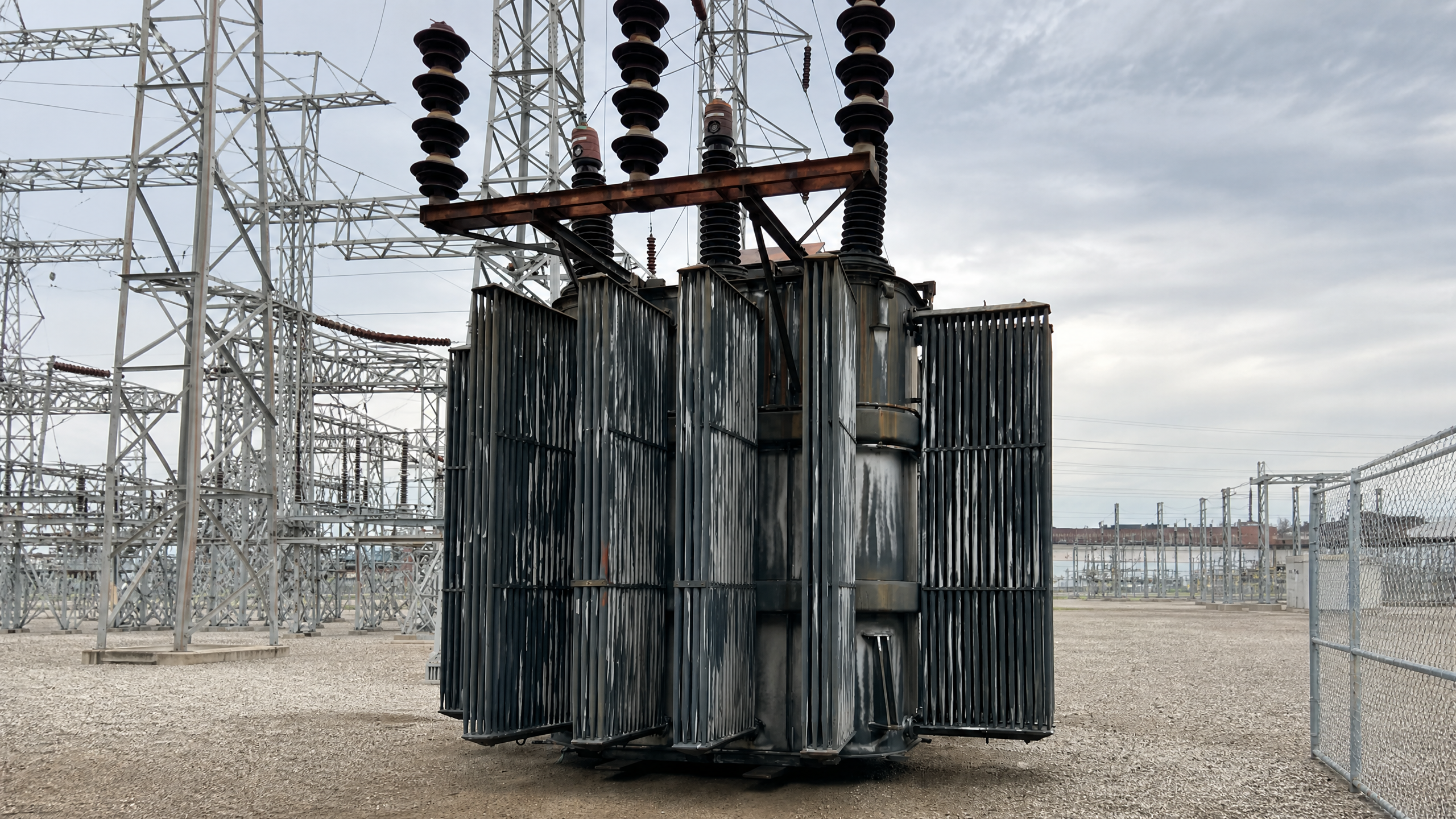
Transportation of network transformers also requires careful planning due to their substantial weight and unconventional dimensions. The design of the tank, which often includes extensive cooling tubes or radiators tailored for vault environments, must be accommodated on the transport vehicle. Sellers should provide the estimated total weight and the exact dimensions of the unit to facilitate accurate freight arrangements. Whether the transformer is located at a utility storage yard or is still situated within a commercial facility, clear logistical communication is essential. Padmount Transformer Buyers works closely with sellers to understand these access and loading considerations, ensuring a smooth transition from the seller's site. This point must be verified against the specific Network Transformers nameplate and project record before a transaction decision.
Initiating the Sale of Your Electrical Equipment
Starting the process of selling your surplus network transformers is designed to be straightforward and transparent. The initial step involves compiling all relevant information, including nameplate photos, overall equipment images, condition reports, and logistical details. By organizing this data upfront, facility managers, contractors, and utility operators can significantly accelerate the evaluation timeline. Padmount Transformer Buyers is equipped to review this information promptly, providing sellers with a clear understanding of whether their equipment aligns with our current purchasing requirements. Our goal is to minimize the administrative burden on your team while offering a reliable disposition channel. This point must be verified against the specific Network Transformers nameplate and project record before a transaction decision.
Once the equipment details have been submitted and reviewed, our team will communicate directly regarding the next steps. If the network transformers meet our criteria, we will present a formal purchase offer and coordinate the subsequent phases of the transaction. This includes finalizing the agreement, arranging for payment, and discussing the timeline for equipment pickup. We understand that project schedules and facility upgrades often operate on strict deadlines, and we strive to complete transactions efficiently. By calling 954-740-1983, asset managers can connect with our team to discuss their specific equipment and begin the evaluation process today. This point must be verified against the specific Network Transformers nameplate and project record before a transaction decision.