Equipment Types and Configurations We Evaluate
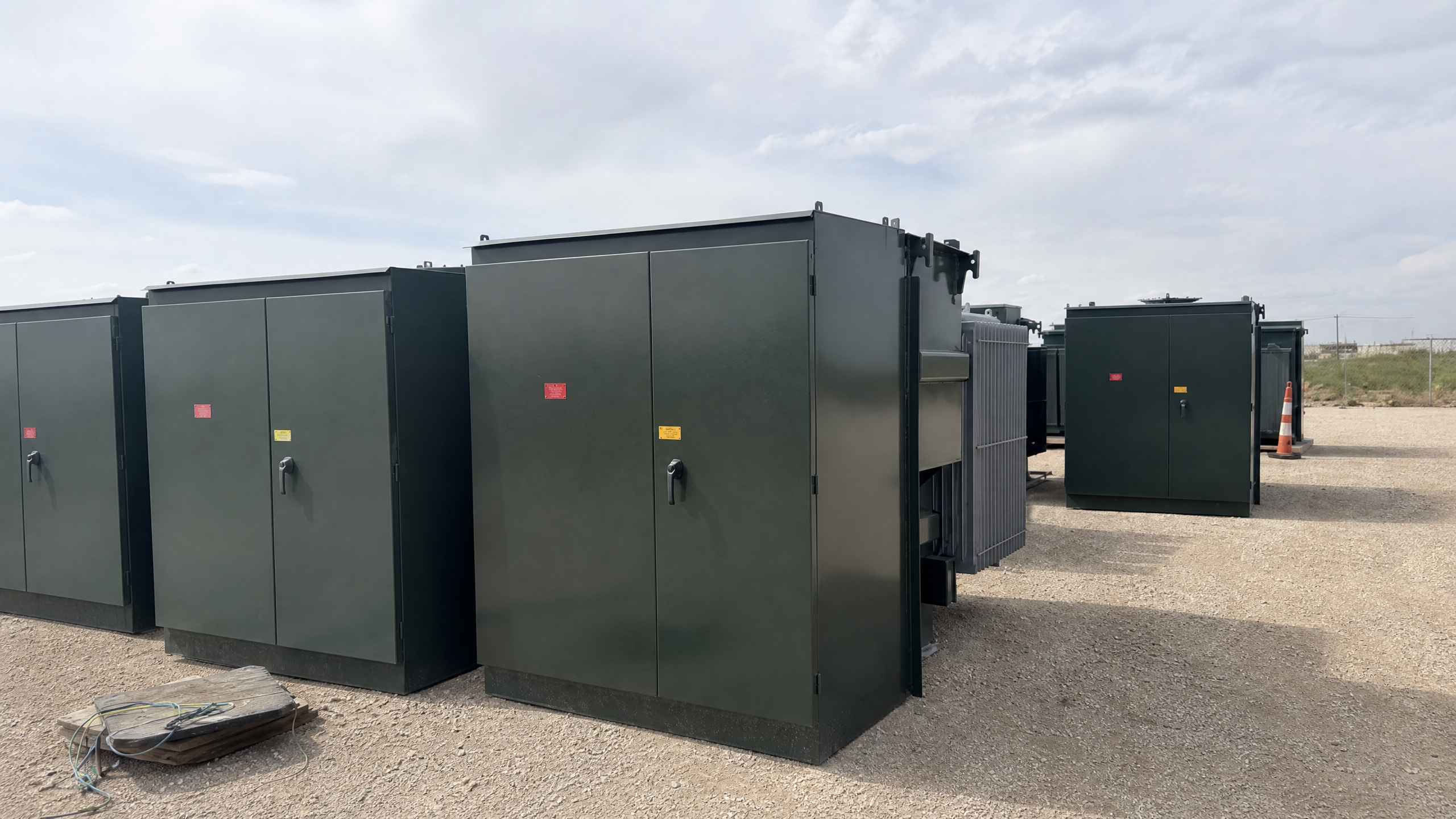
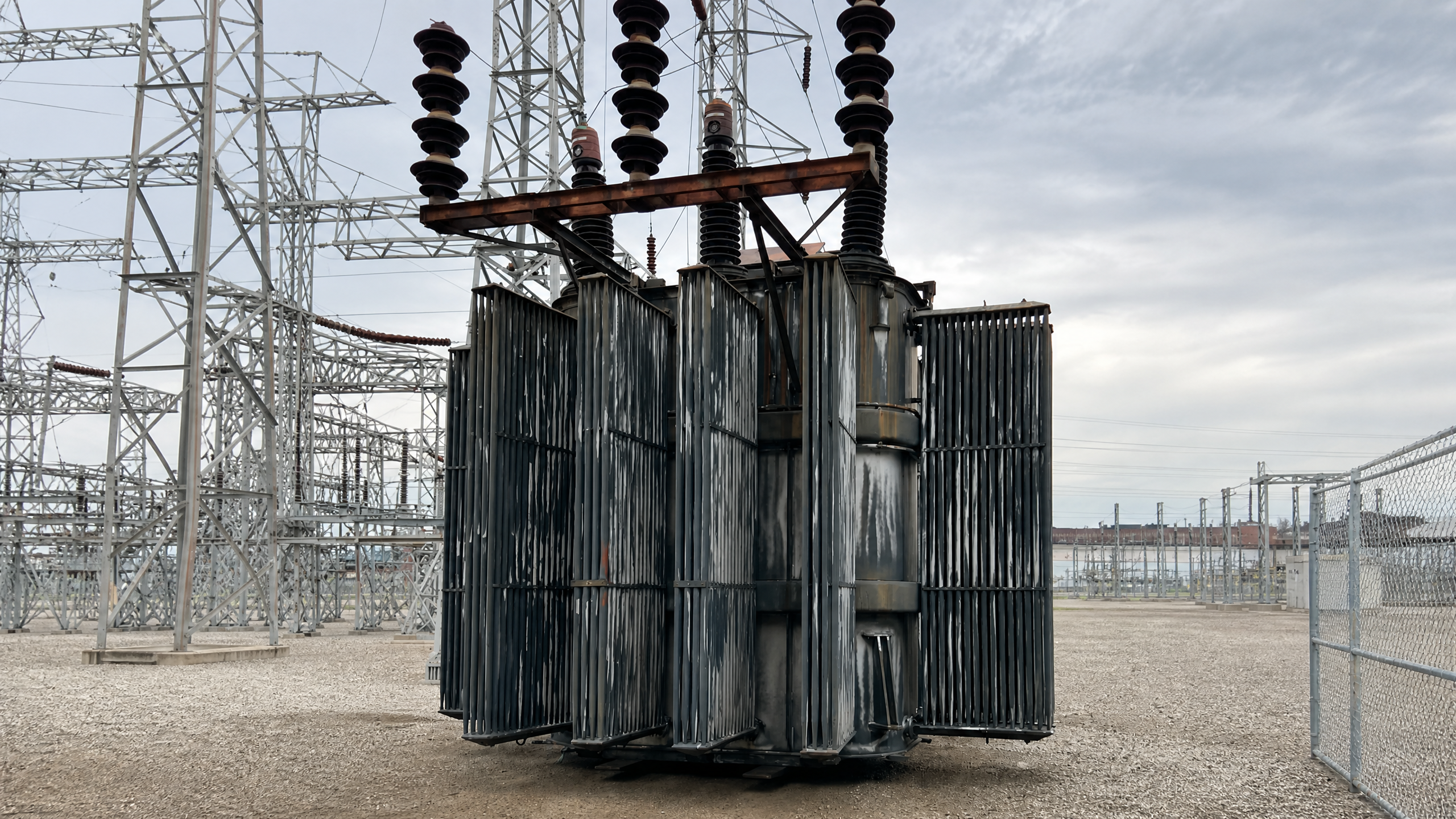
When industrial facilities, utility operators, or electrical contractors prepare to sell transformers, identifying the specific equipment type is the critical first step in our evaluation process. We review a wide variety of transformer configurations, including three-phase padmount units commonly used in commercial developments, single-phase padmounts, substation transformers from industrial plants, and pole-mounted units from utility upgrades. This point must be verified against the specific Sell Transformers nameplate and project record before a transaction decision.
Beyond the basic type and voltage class, we also look closely at the internal components and operational features of the transformers you are selling. Information regarding tap changers, fusing options, load break switches, and specific gauge configurations helps us complete a comprehensive review. Whether you have a single surplus unit from a facility upgrade or multiple transformers from a widespread decommissioning project, providing detailed nameplate data allows our team to accurately assess the equipment. This point must be verified against the specific Sell Transformers nameplate and project record before a transaction decision.
Condition Assessment and Fluid Information
The physical and operational condition of a transformer significantly impacts the evaluation when you decide to sell. We purchase transformers in various conditions, ranging from unused surplus units still on their original shipping skids to decommissioned equipment that has been in service for decades. Providing clear information about the operational history, any known faults, or reasons for removal helps us understand the unit's current state. This point must be verified against the specific Sell Transformers nameplate and project record before a transaction decision.
Transformer fluid is a major component of the condition assessment. We need to know whether the unit is filled with mineral oil, silicone, or a less-flammable dielectric fluid like FR3. Crucially, any available dissolved gas analysis (DGA) reports, PCB test results, or fluid maintenance records are vital for our review process. If a transformer has been drained for transport or storage, that information must be communicated along with details on how the unit was sealed or pressurized with nitrogen. This point must be verified against the specific Sell Transformers nameplate and project record before a transaction decision.
Access, Rigging, and Loading Considerations
A successful transformer transaction requires careful planning regarding the physical logistics of removing and transporting the equipment. When preparing to sell transformers, the location and accessibility of the units are key factors we evaluate. We need to understand if the equipment is still installed on a concrete pad, stored in a laydown yard, or located inside a facility with restricted overhead clearance. This point must be verified against the specific Sell Transformers nameplate and project record before a transaction decision.
The responsibility for rigging and loading the transformers onto transport vehicles must be clearly established during the evaluation phase. In many cases, contractors or facility owners have the necessary equipment, such as heavy-duty forklifts or cranes, to safely load the units onto our arranged transportation. If specialized rigging is required due to the transformer's size, weight, or location, these details must be discussed upfront. This point must be verified against the specific Sell Transformers nameplate and project record before a transaction decision.
Transaction Timing and Project Schedules
Aligning the transaction with your project schedule is a fundamental aspect of how we operate as direct transformer buyers. Whether you are dealing with an urgent facility clearance, a planned substation upgrade, or a long-term decommissioning project, understanding your timeline is essential. We work with asset managers, demolition contractors, and utility project teams to coordinate the evaluation and purchase around your specific deadlines. This point must be verified against the specific Sell Transformers nameplate and project record before a transaction decision.
Our direct purchasing model is designed to eliminate the extended waiting periods often associated with consignment or brokered sales. Once we receive the necessary nameplate photos, condition details, and logistical information, our team conducts a prompt evaluation to present a clear purchase offer. This straightforward approach allows you to make informed decisions quickly, keeping your project on track and avoiding unnecessary storage costs or site delays. This point must be verified against the specific Sell Transformers nameplate and project record before a transaction decision.
Information Required for Evaluation
To initiate the purchasing process, providing comprehensive and accurate information about the transformers you wish to sell is critical. The most important piece of information is a clear, legible photograph of the manufacturer's nameplate. The nameplate contains essential data, including the kVA rating, primary and secondary voltages, impedance, weight, year of manufacture, and fluid capacity. This point must be verified against the specific Sell Transformers nameplate and project record before a transaction decision.
Beyond visual documentation, any available historical and testing data greatly assists in our evaluation. This includes recent maintenance records, fluid test results, and any known operational issues prior to decommissioning. If you are selling multiple units, providing a detailed inventory list or spreadsheet alongside the corresponding photos streamlines the review process. By compiling this information upfront, facility owners and contractors enable our team to conduct a thorough and accurate assessment. This point must be verified against the specific Sell Transformers nameplate and project record before a transaction decision.