Nationwide transformer purchasing · Approximately 15 kVA to 100 MVASpeak directly with a buyer: 954-740-1983

About Padmount Transformer Buyers

A Transformer Buyer Focused on Equipment Facts

The buying process is organized around verifiable transformer details and realistic logistics. Sellers receive a direct channel for presenting one unit, a stored inventory, or a scheduled decommissioning project.

Nationwide pickup coordination15 kVA–100 MVA equipment scopeDirect buyer review
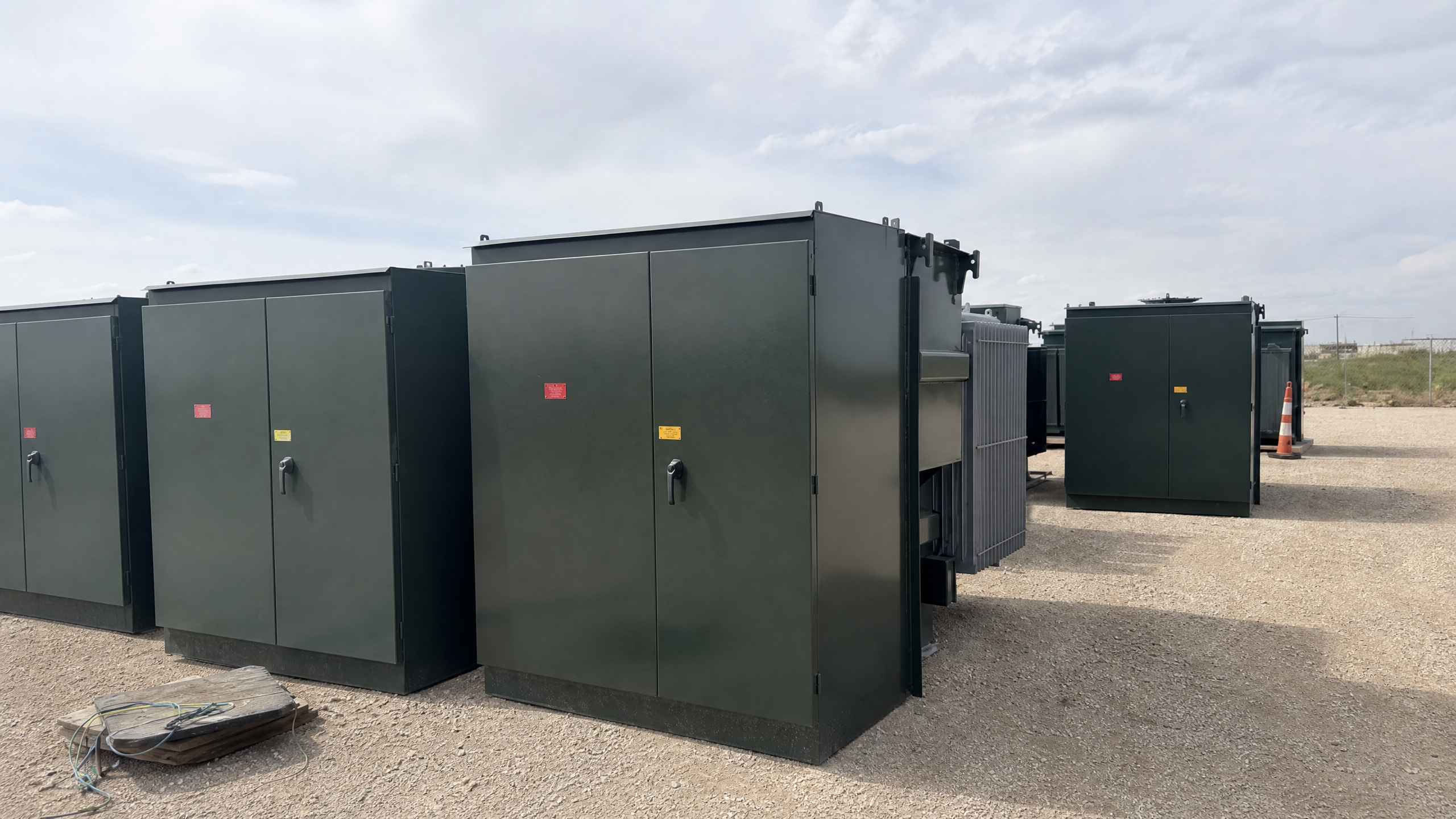
Multiple green padmount transformers lined up in an outdoor gravel yard
01 · DistributionPadmount transformersUsed, surplus, failed, or decommissioned
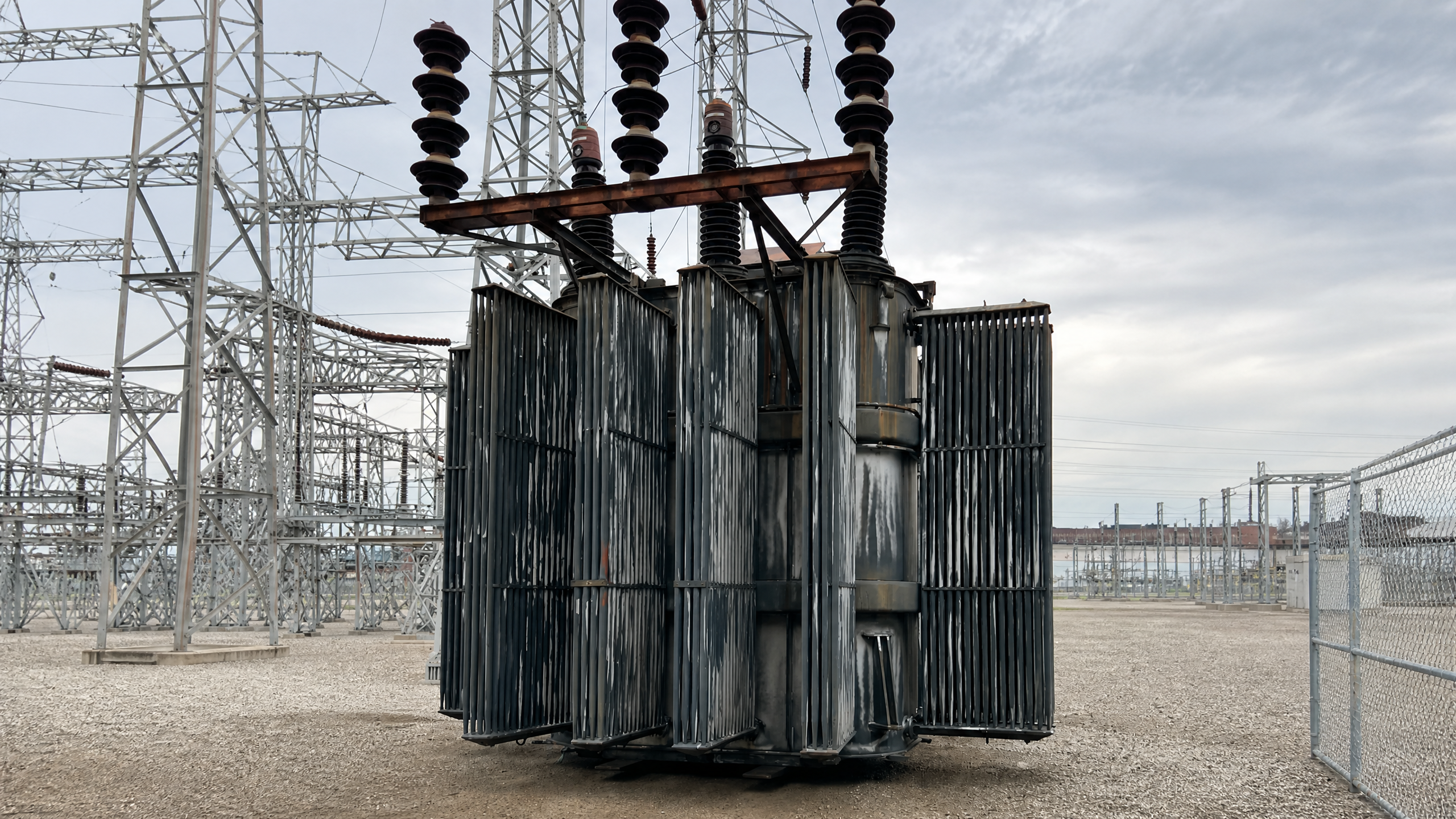
Large weathered electrical transformer with cooling fins in a substation yard
02 · Utility & industrialSubstation transformersLarge units and project equipment

Request a review

Tell us what transformer equipment you have

Share six required details now. Add photos and specifications on the full intake form, or call 954-740-1983.

  • No account required
  • Unknown technical details can be left blank
  • A buyer can follow up directly

Quick quote request

Start with six details

Required fields are marked . You can add technical details later.

Your contact and equipment
Add company or equipment details Optional

Your request is stored securely before notification. Do not include passwords or unrelated personal records.

Why the equipment record comes first

Transformer opportunities vary too widely for a meaningful review based only on a model nickname or an estimated weight. The process starts with the nameplate, equipment photographs, seller-described condition, location, and availability. This creates a traceable equipment record and reduces the risk of confusing units when a project includes several manufacturers, voltage classes, or conditions.

The company does not claim a local office in every market, completed purchases in every city, guaranteed offers, or automatic acceptance of any transformer type. Nationwide purchasing describes the service area and the ability to evaluate pickup requirements across the United States. The actual transaction depends on the specific equipment and the terms established with its owner.

The people and projects the site is built to serve

The intake process is designed for facility owners, utilities, contractors, property teams, asset managers, demolition planners, project engineers, and equipment custodians who are authorized to discuss disposition. A seller may have one padmount released by a service upgrade, a row of stored spares, a damaged unit awaiting a decision, or large substation equipment connected to a multi-phase outage.

Different projects need different levels of documentation. A small distribution unit may begin with a nameplate and four clear photographs. A power transformer may require drawings, oil records, dimensions, component lists, test reports, and a defined heavy-haul plan. The site asks for both basic and advanced details without requiring the seller to guess information that is not known.

What direct purchasing means here

A direct purchasing conversation connects the equipment owner or authorized representative with the buyer evaluating the transformer. It is not a public auction listing, an automated valuation, a guaranteed cash offer, or a promise that equipment will be reusable. The buyer reviews the technical, condition, and logistics information before deciding whether to discuss commercial terms.

If the opportunity progresses, the parties can document the equipment included, purchase terms, responsibility for disconnecting and loading, file or fluid information, appointment requirements, and pickup timing. Clear boundaries matter because cranes, forklifts, environmental responsibilities, energized-site rules, and transport preparation may be controlled by different parties on each project.

A no-script, privacy-conscious intake

Every public and owner page is rendered on the server. The quote form submits through a normal HTML request, returns readable validation errors without browser code, and stores an accepted lead before any notification attempt. Uploaded bytes belong in managed object storage, while the database retains attachment metadata and secure references.

The intake asks only for information relevant to the transformer opportunity. Sellers should exclude passwords, employee files, unrelated contracts, protected system diagrams, or other sensitive records that are not needed to identify the asset. Owner access is protected and attachment retrieval is authorized on the server.

Start with what you know

A useful initial submission does not have to be perfect. Provide the transformer location, type, rating if visible, phase, voltages, condition, quantity, access, and timing. Attach a readable nameplate image and overall photos. If test records, PCB information, fluid details, weights, or drawings are unknown, mark them unknown and explain what may become available later.

Use the full quote form for the complete intake or call 954-740-1983 to discuss the equipment. The purpose of the first exchange is to determine whether the transformer and project context support further evaluation, not to create unsupported claims about value or acceptance.

A practical selling process

From transformer details to coordinated pickup

Share the equipment

Send clear nameplate details, ratings, condition, quantity, location, and available photographs.

Buyer review

The buyer evaluates configuration, potential reuse or recovery value, testing information, and project constraints.

Plan the transaction

If the opportunity is a fit, confirm commercial terms, pickup responsibilities, loading access, and schedule.

Coordinate removal

Prepare the unit and site for safe access, loading, documentation, and transportation as agreed.

Seller checklist

Information that helps a buyer evaluate the unit

  • A clear, readable photograph of the complete transformer nameplate
  • Wide photographs showing the cabinet, tank, bushings, radiators, and any visible damage
  • The transformer type, kVA or MVA rating, phase, and primary and secondary voltages
  • Current condition, operating history if known, and the reason the equipment became available
  • Fluid type, PCB information, and electrical or dissolved-gas test records if available
  • The equipment location, approximate weight, loading access, and available lifting equipment
  • Quantity, ownership readiness, and the date by which the equipment needs to move

Common questions

Transformer selling FAQ

Answers are specific to the equipment and project context described on this page. Unknown details can be marked as such on the quote form.

Is Padmount Transformer Buyers a local office in my city?

No local office is represented. The business describes nationwide purchasing and coordinates evaluation and pickup planning based on the actual equipment location.

Does every submission receive an offer?

No. Submissions are reviewed for equipment fit, condition, documentation, logistics, and timing; a purchase or price is not guaranteed.

Who should submit transformer information?

The owner or a person authorized to discuss the equipment disposition should submit the request and confirm that the information is accurate.

Why is the nameplate important?

It is the primary source for manufacturer identity, ratings, voltages, impedance, weights, and other configuration details that are difficult to verify from an exterior photograph alone.

Can I call before collecting every document?

Yes. Call 954-740-1983 with the basic type, rating, condition, location, quantity, and timing, then follow with documents if the opportunity warrants them.

Related transformer resources

Call 954-740-1983