Evaluating Substation Transformer Assets for Sale
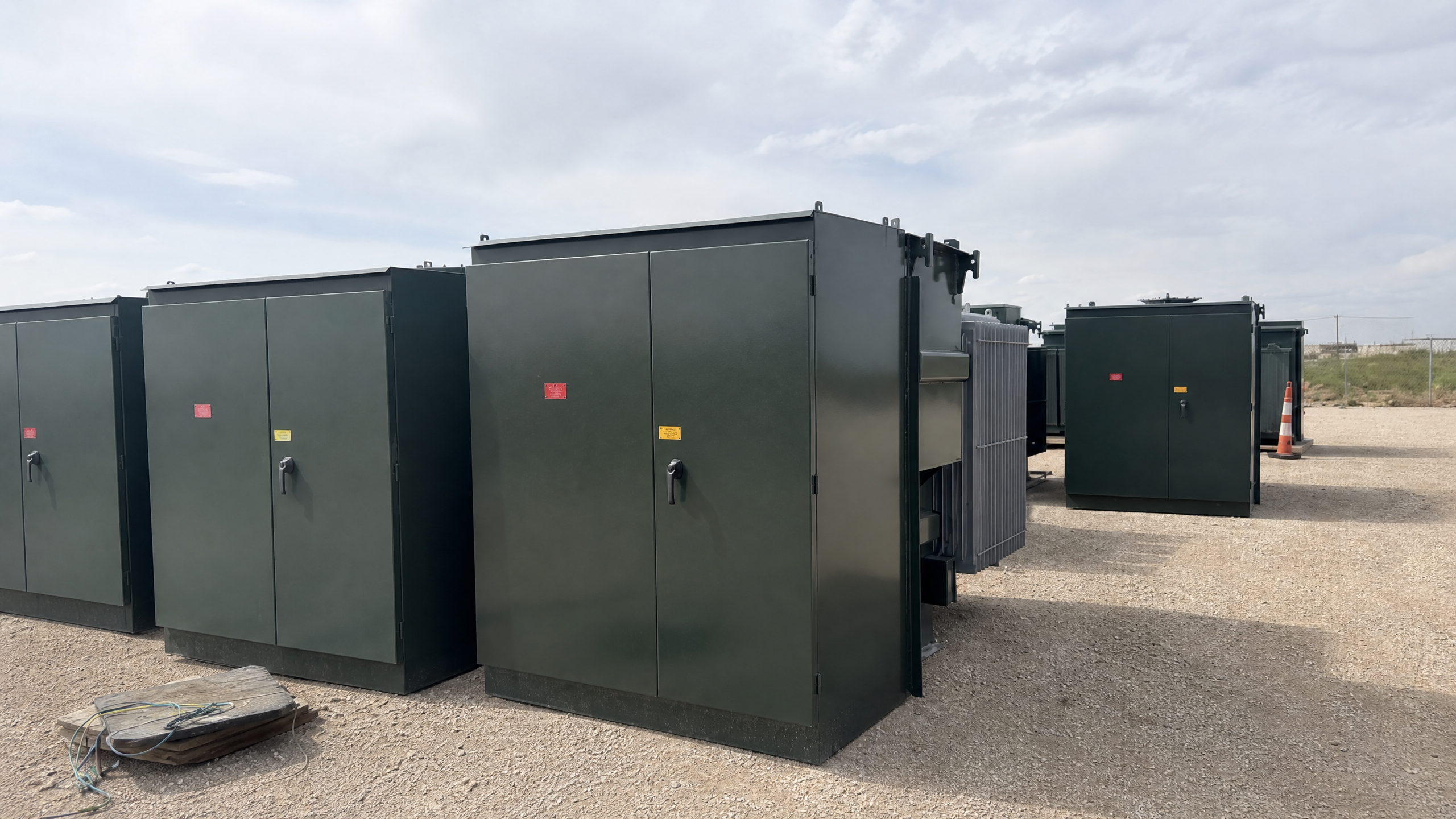
Substation transformers serve as critical infrastructure components, typically designed for primary and secondary unit-substations, distribution networks, and large-scale industrial power applications. When these units are decommissioned due to facility upgrades, capacity changes, or plant closures, they often retain significant residual value. Padmount Transformer Buyers evaluates these high-capacity assets, focusing on their specific electrical characteristics, cooling class, and overall physical condition. Understanding the core configuration, whether liquid-filled or dry-type, and the specific application it served helps determine the potential for repurposing or recycling the unit. This point must be verified against the specific Substation Transformers nameplate and project record before a transaction decision.
The evaluation process for substation transformers requires detailed information extracted directly from the equipment nameplate. Key data points include the kVA or MVA rating, primary and secondary voltages, impedance values, vector group, and the year of manufacture. Additionally, the type of insulating fluid, such as mineral oil, silicone, or natural ester, plays a crucial role in assessing the unit. We review this technical data alongside information about the transformer's operational history, maintenance records, and any recent testing results to provide a comprehensive assessment of the equipment you are looking to sell. This point must be verified against the specific Substation Transformers nameplate and project record before a transaction decision.
Information Required for Large-Scale Transformer Transactions
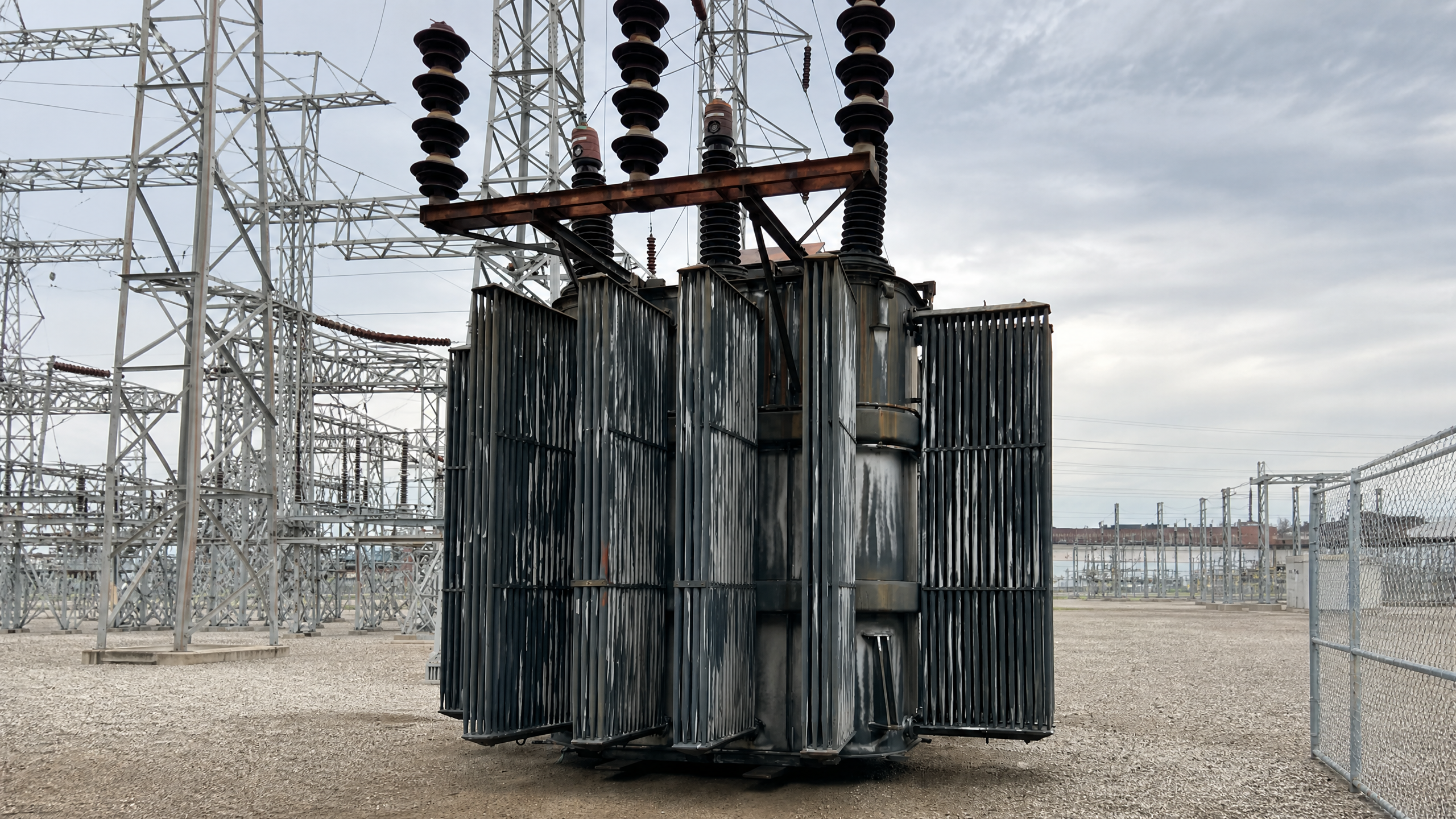
Providing comprehensive documentation is essential when preparing to sell substation transformers. Because these units are complex and highly specialized, accurate details ensure a smooth evaluation process. We require clear photographs of the entire unit from multiple angles, highlighting any accessories, control cabinets, and external cooling equipment such as radiators or fans. Most importantly, a high-resolution image of the nameplate is necessary to verify the electrical specifications and manufacturing details. Visual documentation helps our team assess the external condition and confirm the presence of essential components. This point must be verified against the specific Substation Transformers nameplate and project record before a transaction decision.
Beyond visual documentation, historical and diagnostic data significantly aid the evaluation. Recent dissolved gas analysis (DGA) reports, megger testing results, and turns ratio test (TTR) data offer insights into the internal health of the transformer. Information regarding the unit's storage condition—whether it has been kept energized, stored under positive nitrogen pressure, or left exposed to the elements—also factors into the assessment. Gathering this information upfront streamlines communication and allows our team to understand the specific asset you are offering. This point must be verified against the specific Substation Transformers nameplate and project record before a transaction decision.
Logistics, Rigging, and Site Access Considerations
Removing and transporting substation transformers involves significant logistical planning due to their substantial size and weight. These units often require specialized rigging, heavy-duty cranes, and multi-axle transport trailers. When discussing the sale of your equipment, it is important to provide details about the site layout and accessibility. We need to know if the transformer is located indoors, on a concrete pad, inside a secure substation yard, or in a location with restricted clearance that might complicate the extraction process. This point must be verified against the specific Substation Transformers nameplate and project record before a transaction decision.
Additionally, understanding the current state of the transformer is vital for logistical preparations. If the unit is liquid-filled, we must determine whether it will be transported full of oil or if it needs to be drained and filled with dry air or nitrogen prior to shipping. Information about the presence of attached components, such as bushings, radiators, and conservator tanks, is also necessary, as these may need to be removed for safe transport. Clear communication regarding site requirements ensures that the logistical aspects of the transaction are properly coordinated. This point must be verified against the specific Substation Transformers nameplate and project record before a transaction decision.
The Direct Purchasing Process for Substation Equipment
Selling surplus or decommissioned substation transformers directly to a buyer simplifies the asset recovery process. Padmount Transformer Buyers works directly with equipment owners, asset managers, and contractors to facilitate straightforward transactions without the complexities of consignment or third-party brokering. By dealing directly with our team, sellers can efficiently navigate the evaluation and transaction phases. We focus on clear communication and timely responses to help you manage your surplus equipment inventory effectively. This point must be verified against the specific Substation Transformers nameplate and project record before a transaction decision.
Once we receive the necessary details and photographs of your substation transformers, our team conducts a thorough review of the assets. We consider the equipment's specifications, condition, and current market demand to determine our interest. If the transformer aligns with our purchasing requirements, we proceed with the transaction arrangements. Our goal is to provide a transparent and organized process, allowing industrial facilities and utilities to transition their idle or surplus substation equipment efficiently. This point must be verified against the specific Substation Transformers nameplate and project record before a transaction decision.
Industries and Facilities We Work With
Substation transformers are utilized across a wide range of industries, and we engage with various sectors looking to manage their surplus electrical assets. We frequently work with utility companies upgrading their grid infrastructure, industrial manufacturing plants undergoing facility modifications, and data centers expanding their power capabilities. Additionally, we coordinate with electrical contractors and demolition teams tasked with clearing decommissioned sites. Understanding the specific needs and timelines of these different entities allows us to tailor our purchasing approach accordingly. This point must be verified against the specific Substation Transformers nameplate and project record before a transaction decision.
Regardless of the industry, the need to address surplus substation equipment is a common challenge. Whether you are managing a single unit-substation transformer from a commercial property or a fleet of power transformers from a large-scale industrial complex, we are prepared to review your inventory. Padmount Transformer Buyers is committed to working collaboratively with asset owners and project teams nationwide, providing a reliable avenue for the direct sale of high-capacity transformer equipment. This point must be verified against the specific Substation Transformers nameplate and project record before a transaction decision.