Evaluating New-Old-Stock and Spare Transformers
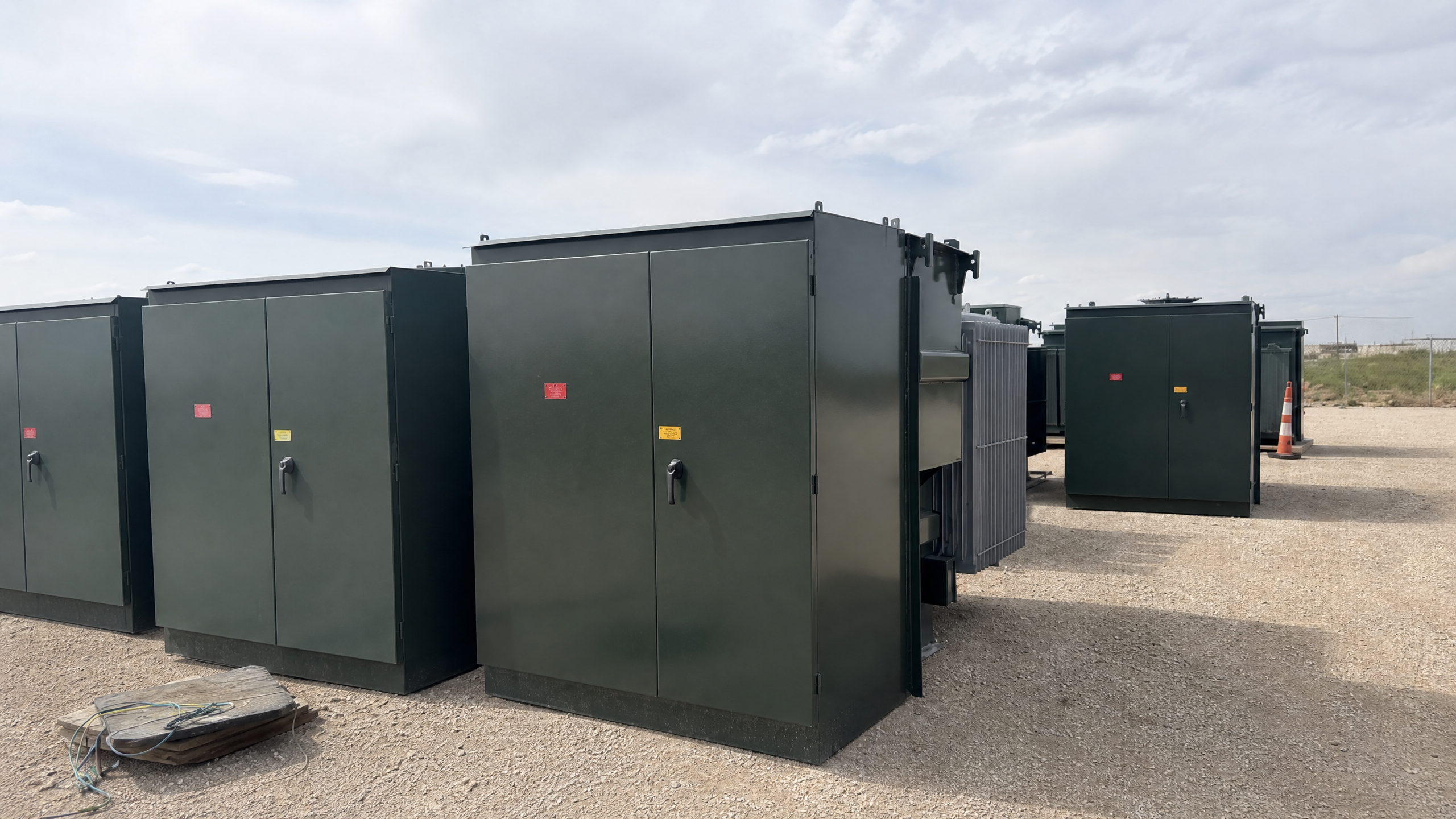
Surplus transformers often originate from strategic spare inventory programs, canceled infrastructure projects, or facility design changes. These units, referred to as new-old-stock, may have never been energized but require careful evaluation to determine their current condition. When assessing surplus inventory, the initial focus centers on the storage conditions and the duration the equipment has been held. Units stored indoors in climate-controlled environments retain factory specifications better than those kept in outdoor laydown yards, where exposure to weather fluctuations impacts external components and internal insulation systems. This point must be verified against the specific Surplus Transformers nameplate and project record before a transaction decision.
The evaluation of spare transformers involves a detailed review of the original manufacturing documentation and nameplate data. Key specifications such as the kVA rating, primary and secondary voltages, impedance, and vector group establish the equipment's fundamental electrical characteristics. The presence of factory test reports, original manuals, and maintenance logs detailing periodic inspections aids the assessment. Padmount Transformer Buyers reviews this comprehensive documentation alongside current photographs to understand the exact configuration and physical state of your surplus assets. This point must be verified against the specific Surplus Transformers nameplate and project record before a transaction decision.
Technical Specifications and Fluid Condition
Even when a transformer has never been placed into active service, the condition of its dielectric fluid remains a critical factor. Insulating fluids can absorb moisture if tank seals degrade or if the unit was not properly pressurized with nitrogen during extended storage. Analyzing recent dissolved gas analysis (DGA) and fluid quality test results provides essential insights into the internal health of the transformer. These tests help identify potential issues with moisture content and dielectric strength that developed while the unit was idle. This point must be verified against the specific Surplus Transformers nameplate and project record before a transaction decision.
Beyond the insulating fluid, the physical configuration of the surplus transformer dictates its suitability for acquisition. Details regarding the bushing arrangements, whether dead-front or live-front, and the specific termination types are necessary for a complete evaluation. The presence of standard accessories, including liquid level indicators, temperature gauges, pressure relief devices, and tap changers, contributes to the overall assessment. By providing accurate information about these technical specifications and the current fluid status, sellers enable a more precise review of their excess electrical inventory. This point must be verified against the specific Surplus Transformers nameplate and project record before a transaction decision.
Storage Access, Rigging, and Loading Logistics
The logistics of removing surplus transformers depend on where and how the equipment has been stored. Spare units are often located in remote laydown yards, warehouse facilities, or dedicated storage pads that present unique access challenges. Evaluating the site conditions is a necessary step to determine the appropriate rigging and lifting methods required to safely handle the equipment. Information regarding ground stability, overhead clearances, and the proximity to paved access roads helps in planning the deployment of specialized heavy-haul transport vehicles. This point must be verified against the specific Surplus Transformers nameplate and project record before a transaction decision.
Preparing a surplus transformer for transport requires verifying its physical dimensions and total weight, which are typically listed on the manufacturer's nameplate. For larger padmount or substation-style units, the shipping weight dictates the specific type of trailer needed and whether special routing permits will be necessary. Coordinating these logistical elements ensures that the removal process aligns with the facility's operational schedule. Padmount Transformer Buyers works with sellers to understand these site-specific constraints and facilitate the structured removal of excess transformer assets. This point must be verified against the specific Surplus Transformers nameplate and project record before a transaction decision.
Information Required for Asset Evaluation
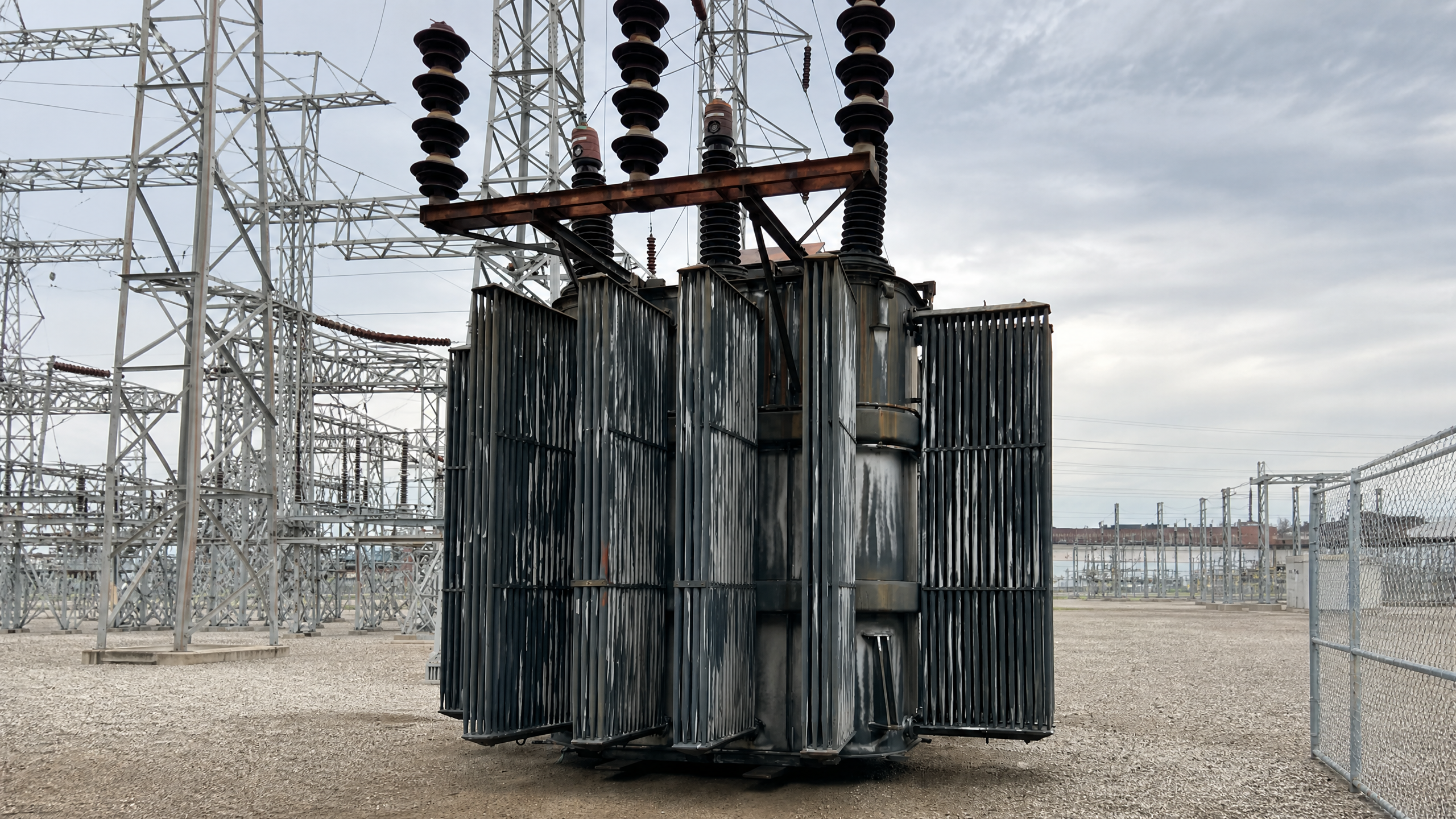
Initiating the evaluation of surplus transformer inventory requires compiling specific information that accurately represents the equipment's current status. The most critical component is a clear photograph of the complete nameplate, which provides the foundational data needed for assessment. Wide-angle photographs showing all sides of the transformer, the condition of the cooling radiators, and the state of the termination compartments are essential. These visual records help identify external degradation, such as rust, physical impact damage, or fluid leaks that occurred during storage. This point must be verified against the specific Surplus Transformers nameplate and project record before a transaction decision.
Sellers should also gather any available historical documentation related to the surplus units. This includes original purchase orders, factory acceptance test (FAT) results, and records of any maintenance performed while the equipment was held in spare status, such as nitrogen blanket pressure checks. If the transformers were stored outdoors, noting the duration of outdoor exposure and the specific environmental conditions can further assist the evaluation. By assembling this comprehensive package of evidence, sellers streamline the review process for their unused equipment. This point must be verified against the specific Surplus Transformers nameplate and project record before a transaction decision.
Transaction Timing and the Sales Process
The timeline for selling surplus transformers varies based on the completeness of the provided information and the specific logistical requirements of the removal site. Once the initial details, photographs, and testing data are submitted, the review process focuses on verifying the equipment's specifications and assessing its overall condition. For well-documented new-old-stock units with clear photographs, this evaluation can proceed efficiently. Sellers are encouraged to provide all requested information upfront to minimize delays and facilitate a thorough understanding of the assets available for acquisition. This point must be verified against the specific Surplus Transformers nameplate and project record before a transaction decision.
Following the evaluation, the next steps involve coordinating the logistical aspects of the transaction, including scheduling the rigging, loading, and transportation. Communication between the seller's site personnel and the transportation team is essential to ensure that the equipment is prepared for shipment and that the site is accessible. The transaction process is designed to be straightforward, focusing on the safe transfer of the surplus inventory. Facility managers and asset recovery teams looking to clear excess stock can contact Padmount Transformer Buyers at 954-740-1983. This point must be verified against the specific Surplus Transformers nameplate and project record before a transaction decision.