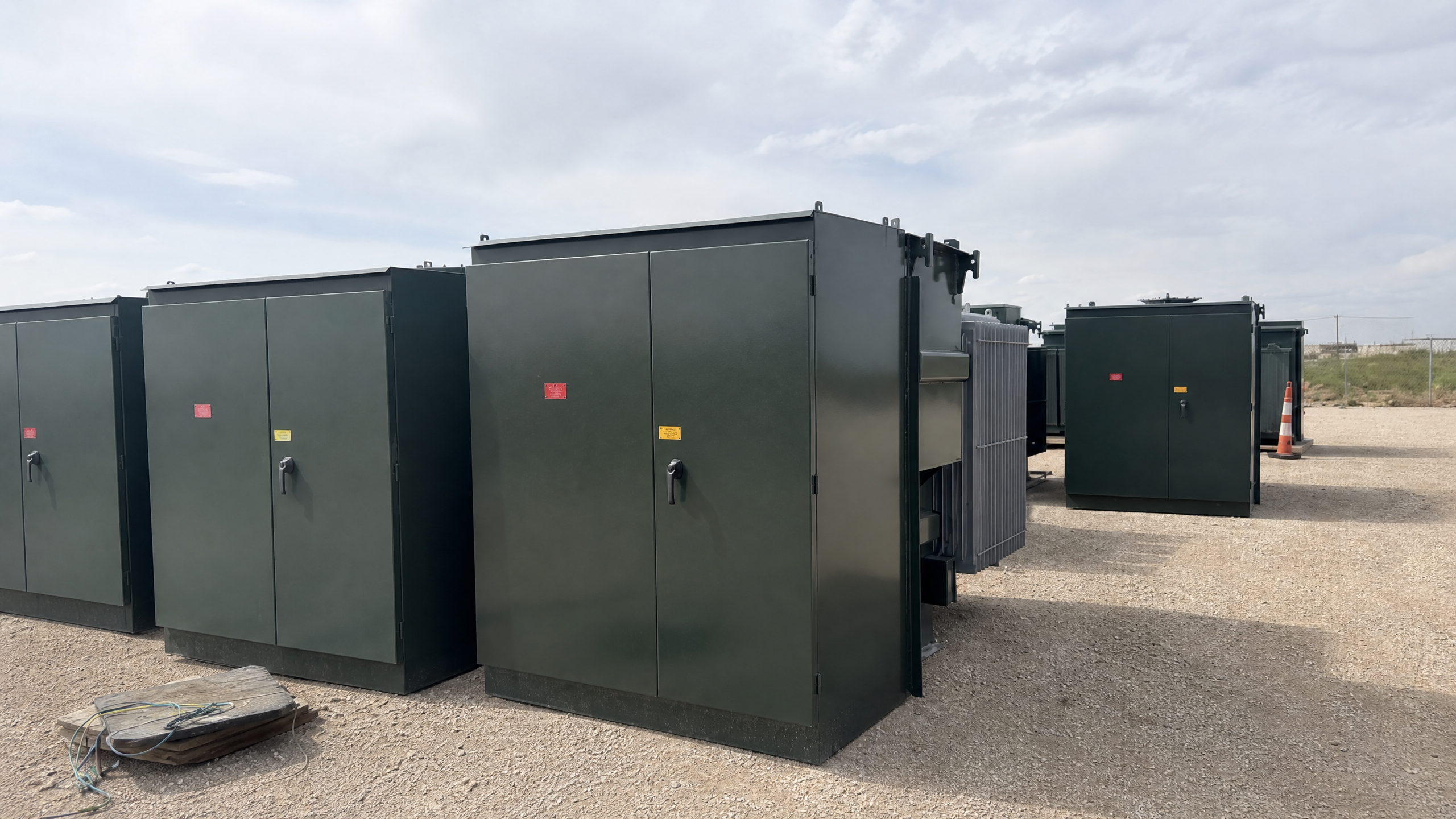
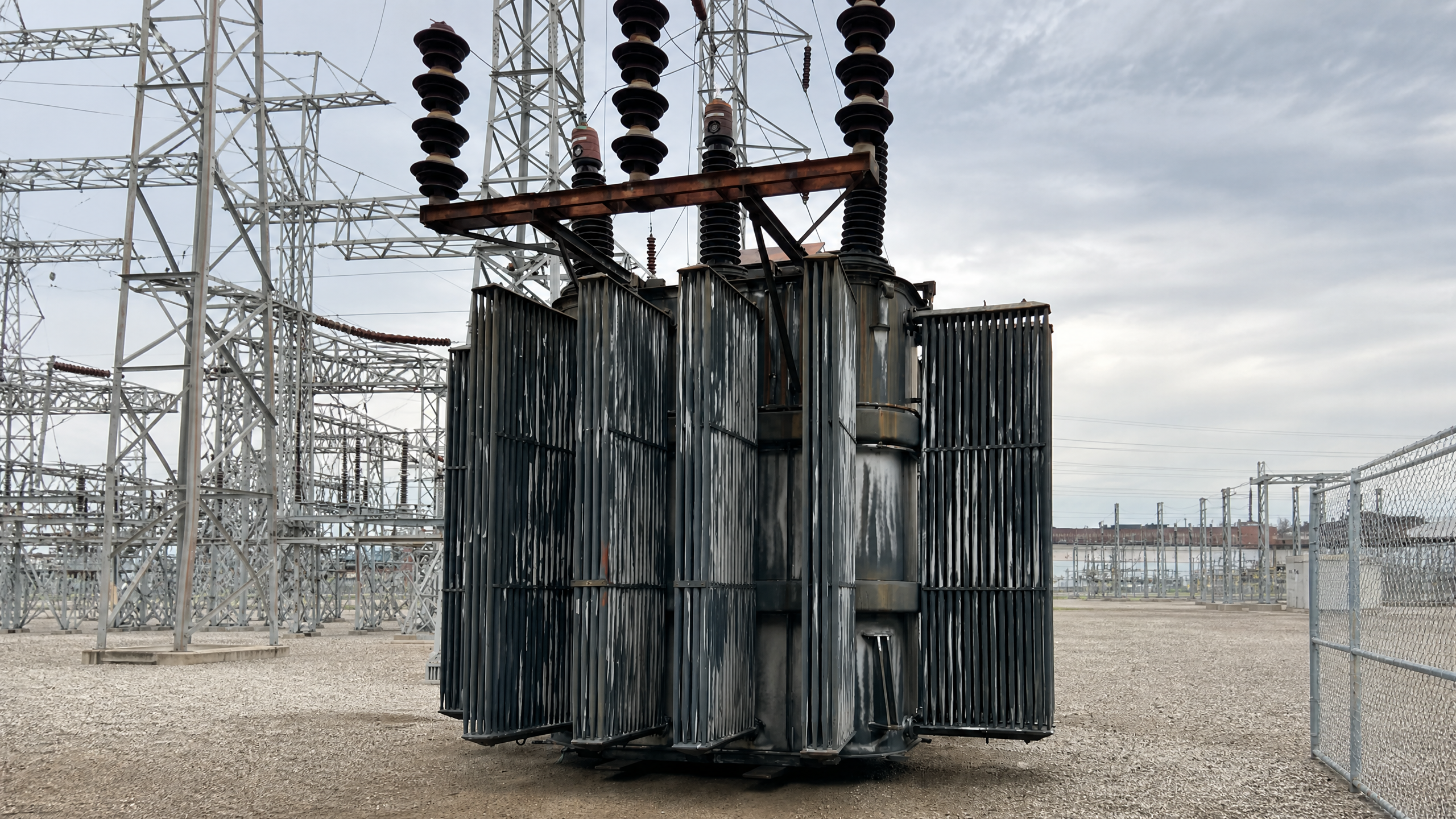
Evaluating Used Transformer Condition and History
When reviewing used transformers, operational history and maintenance records play a significant role in our evaluation. We look for units that have been regularly serviced, with documented testing such as dissolved gas analysis (DGA), insulation resistance, and turns ratio tests. Access to these historical records helps us understand the internal condition of the transformer and its overall health. A well-documented service life often indicates that the core and coils have been maintained properly. This point must be verified against the specific Used Transformers nameplate and project record before a transaction decision.
Beyond the paperwork, the physical condition of the used transformer is equally important. We examine the exterior for signs of significant corrosion, fluid leaks around bushings or radiators, and the integrity of the tank. The condition of the insulating fluid provides crucial insights into the operational stress the unit has endured. Even if a transformer has been stored outside, providing accurate details about its current state allows us to make an informed assessment of its value and the feasibility of recovery. This point must be verified against the specific Used Transformers nameplate and project record before a transaction decision.
Important Nameplate Data and Electrical Specifications
The nameplate is the primary source of technical information required to evaluate any used transformer. We need clear photographs of the nameplate to verify the kVA rating, primary and secondary voltages, impedance, and the manufacturer's original specifications. This data confirms the electrical characteristics of the unit and helps us determine its compatibility with potential future applications. Additional details such as the vector group, temperature rise, and the year of manufacture are also critical components of our initial review. This point must be verified against the specific Used Transformers nameplate and project record before a transaction decision.
In addition to the standard nameplate data, information regarding the specific configuration of the used transformer adds significant value to the assessment. Details about the type of connections, such as dead-front or live-front, the presence of tap changers, and the specific arrangement of the high-voltage and low-voltage compartments are necessary. If the unit includes specialized accessories like temperature gauges or specific fusing options, noting these features provides a comprehensive picture of the equipment's capabilities. This point must be verified against the specific Used Transformers nameplate and project record before a transaction decision.
Logistics for Removal and Transportation
The logistical aspects of removing and transporting a used transformer require careful planning. We need to understand the current location of the unit, including whether it is installed on a concrete pad, situated in a difficult-to-access substation, or stored in a laydown yard. Information regarding site access for heavy machinery, such as cranes and flatbed trailers, is essential for planning a safe recovery operation. Knowing if there are overhead obstructions, weight restrictions on access roads, or specific site safety protocols helps streamline the process. This point must be verified against the specific Used Transformers nameplate and project record before a transaction decision.
Preparing a used transformer for transport also involves understanding its current physical status. We need to know if the unit is fully assembled, if components like radiators have been removed for storage, and if the insulating fluid is currently contained within the tank. If the transformer needs to be drained prior to transport due to weight limitations, coordinating these activities is a critical part of the transaction. Clear details about the rigging points and the overall weight ensure that the appropriate equipment is utilized for lifting and hauling. This point must be verified against the specific Used Transformers nameplate and project record before a transaction decision.
Preparing Your Used Equipment for Evaluation
To facilitate a thorough evaluation of your used transformer, gathering documentation and visual evidence is the best first step. High-resolution photographs covering all sides of the unit, the internal compartments, and specifically the nameplate, allow us to conduct a detailed preliminary review. If the transformer is currently energized, providing recent load data and operating temperatures can be beneficial. For units in storage, noting the duration of storage and the conditions provides context for its current state. This point must be verified against the specific Used Transformers nameplate and project record before a transaction decision.
Organizing the available maintenance and testing records also accelerates the review process. Having recent oil test results, electrical testing reports, and a log of any repairs or modifications readily available helps us quickly ascertain the technical health of the equipment. If the used transformer was removed from service due to a specific issue, detailing the reasons for its decommissioning provides valuable insight. The more comprehensive the information provided upfront, the more efficiently we can evaluate the unit. This point must be verified against the specific Used Transformers nameplate and project record before a transaction decision.
The Transaction Process for Used Transformers
Our goal is to make the transaction process for used transformers as direct and clear as possible. Once we receive the initial information, including photographs, nameplate data, and available testing records, we conduct a technical review to determine the equipment's viability. If the used transformer meets our criteria, we will outline the next steps, which may include requesting further details, clarifying logistical considerations, or presenting a formal offer. This structured approach ensures that both parties have a clear understanding of the timeline. This point must be verified against the specific Used Transformers nameplate and project record before a transaction decision.
Coordination is key to a successful transaction, particularly when dealing with large electrical equipment. We work closely with sellers to align timelines for equipment release, site access, and transportation. By understanding your project schedule or facility constraints, we can organize the recovery efforts to minimize disruption to your operations. Throughout the process, Padmount Transformer Buyers maintains open communication, ensuring that all logistical details are addressed systematically to facilitate the smooth transfer of the used transformer. This point must be verified against the specific Used Transformers nameplate and project record before a transaction decision.