Understanding the 15 kV Class Transformer Market
The 15 kV class is one of the most widely utilized voltage categories in medium-voltage power distribution, encompassing standard primary voltages such as 12470GrdY/7200, 13200 Delta, and 13800GrdY/7970. These transformers serve as critical infrastructure components in utility grids, commercial developments, renewable energy installations, and heavy industrial facilities. Because these units are deployed in high volumes across diverse sectors, there is a consistent need for equipment evaluation when facilities upgrade infrastructure, downsize operations, or replace aging units. Padmount Transformer Buyers evaluates these standard distribution transformers nationwide. This point must be verified against the specific 15 kV Class Transformers nameplate and project record before a transaction decision.
When preparing to sell 15 kV class equipment, providing accurate nameplate data is essential for a thorough evaluation. The nameplate contains vital specifications, including the exact primary and secondary voltages, kVA rating, impedance, vector group, and original design parameters. Additionally, the type of winding material—copper or aluminum—and the specific configuration significantly influence the assessment. By gathering this technical information upfront, asset managers and contractors can facilitate a highly efficient review process, allowing our team to understand the exact specifications of the 15 kV class transformers available. This point must be verified against the specific 15 kV Class Transformers nameplate and project record before a transaction decision.
Equipment Configurations and Electrical Specifications
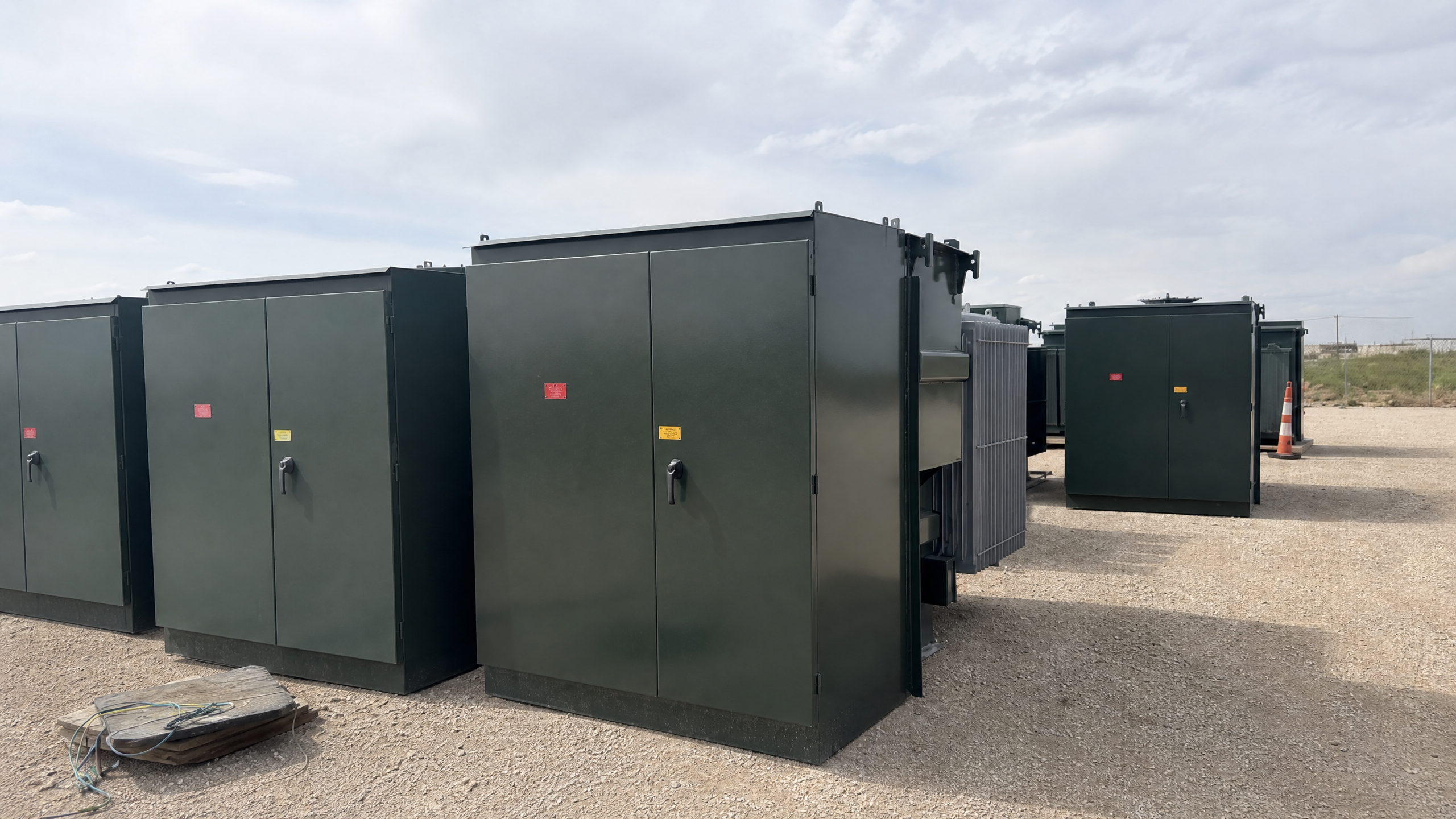
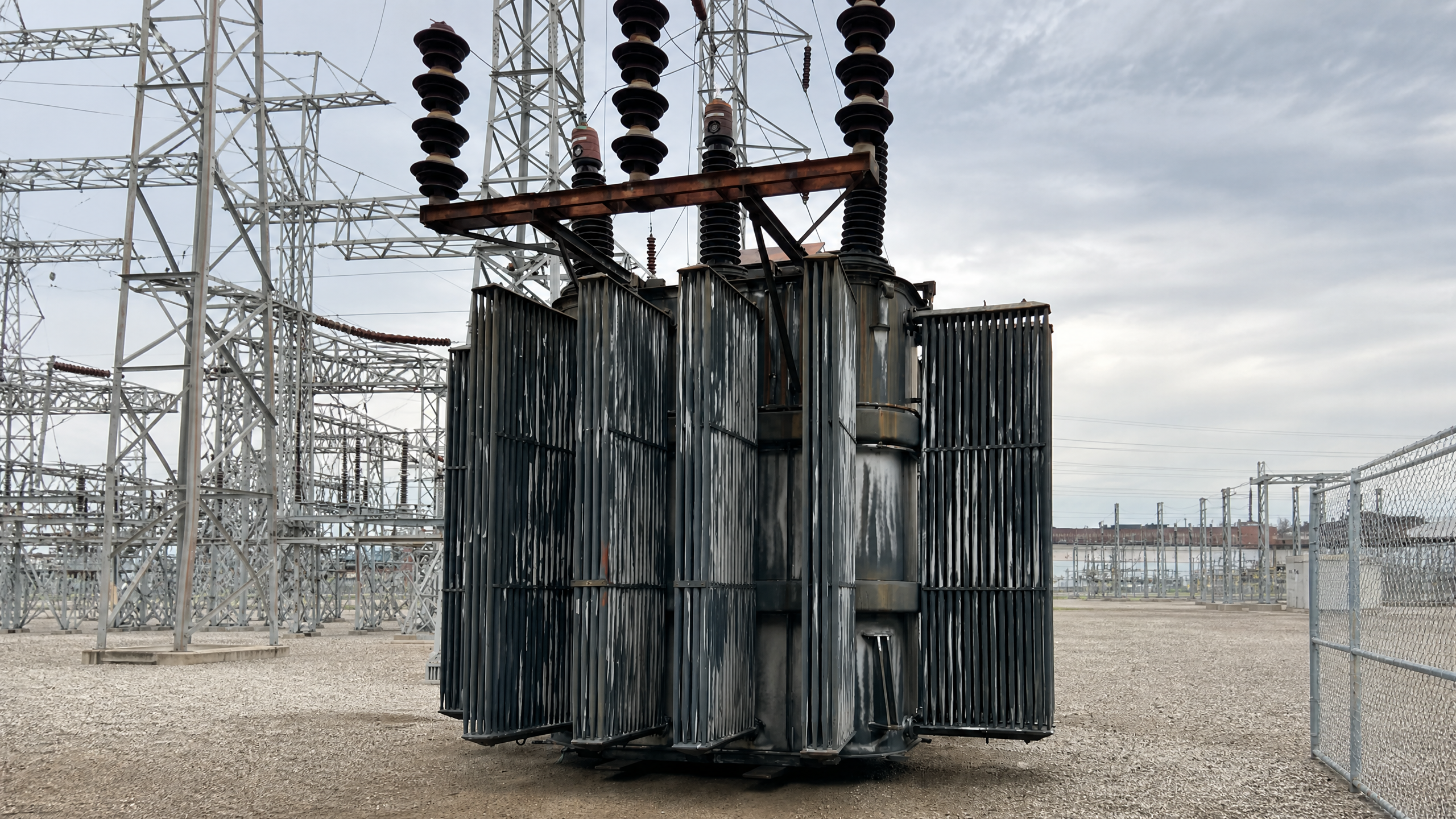
Transformers within the 15 kV class come in a variety of physical configurations and cooling classes to suit different operational environments. Liquid-filled pad-mounted transformers are exceptionally common in underground distribution networks, often utilizing mineral oil or less-flammable dielectric fluids. Dry-type transformers in this voltage class are frequently found inside commercial buildings where fire safety is a primary concern. Substation transformers in the 15 kV category might feature specialized accessories such as load tap changers and cooling fans. We evaluate all these configurations and their intact components. This point must be verified against the specific 15 kV Class Transformers nameplate and project record before a transaction decision.
The electrical details beyond the basic voltage class also play a crucial role in the evaluation of your surplus equipment. Factors such as the basic impulse level (BIL), dual-voltage capabilities, and the presence of specific tap settings provide a complete picture of the transformer's operational flexibility. For liquid-filled units, the type of fusing, switching mechanisms, and bushing arrangements are important details. Providing comprehensive documentation of these electrical specifications helps us determine the appropriate acquisition approach for your specific 15 kV distribution equipment. This point must be verified against the specific 15 kV Class Transformers nameplate and project record before a transaction decision.
Condition Assessment, Testing, and Fluid Information
The physical and operational condition of a 15 kV class transformer heavily dictates the evaluation process. We review equipment ranging from brand-new surplus units that were never installed to older, decommissioned transformers removed from service after decades of operation. When available, recent testing data—such as dissolved gas analysis (DGA), turns ratio tests, and megger readings—provides valuable insight into the internal health of the windings. Even if a transformer has experienced a fault, it may still hold value based on its core steel and winding materials. This point must be verified against the specific 15 kV Class Transformers nameplate and project record before a transaction decision.
For liquid-filled 15 kV class transformers, information regarding the dielectric fluid is a critical component of the asset review. Identifying whether the unit contains standard mineral oil, silicone fluid, or natural ester fluids helps establish the logistical requirements for handling the equipment. Furthermore, historical documentation confirming the absence of polychlorinated biphenyls (PCBs) is highly beneficial. While we do not provide environmental or regulatory compliance services, knowing the fluid status, volume in gallons, and any known leaks allows us to plan the logistics accurately. Sellers should note the condition of the tank and radiators to ensure a comprehensive assessment. This point must be verified against the specific 15 kV Class Transformers nameplate and project record before a transaction decision.
Logistics, Access, and Rigging Considerations
The successful acquisition of 15 kV class transformers requires careful logistical planning, given the substantial weight and dimensions of medium-voltage electrical equipment. Site access is a primary consideration when preparing for equipment removal. Transformers located in easily accessible outdoor switchyards or open storage lots generally present straightforward loading scenarios. Conversely, units situated in restricted urban environments, indoor electrical vaults, or elevated platforms may require specialized rigging equipment and crane services. Sellers should assess their site conditions, noting any overhead clearances or weight-restricted access roads. This point must be verified against the specific 15 kV Class Transformers nameplate and project record before a transaction decision.
Coordinating the loading and transportation of these heavy assets involves understanding the exact dimensions and shipping weight of the transformers, which can range from a few thousand to tens of thousands of pounds. It is important to determine whether the seller has the on-site capability to load the equipment onto flatbed trailers, or if third-party rigging services will be required. Padmount Transformer Buyers works closely with sellers to understand these site-specific variables, ensuring that the logistical approach aligns with the facility's operational schedule and safety protocols. This point must be verified against the specific 15 kV Class Transformers nameplate and project record before a transaction decision.
The Evaluation Process and Transaction Timing
Initiating the evaluation process for your surplus 15 kV class transformers is straightforward and begins with providing comprehensive details about the equipment. By contacting Padmount Transformer Buyers at 954-740-1983, sellers can share nameplate photographs, overall equipment images, and relevant technical documentation. Our team reviews this information to assess the specifications, condition, and configuration of the assets. We aim to provide timely feedback, allowing facility managers and electrical contractors to make informed decisions regarding their surplus inventory. Gathering all necessary data upfront significantly expedites this initial review phase. This point must be verified against the specific 15 kV Class Transformers nameplate and project record before a transaction decision.
Transaction timing is often a critical factor for facilities undergoing demolition, upgrading infrastructure, or clearing out storage yards. We understand that project deadlines, site closure dates, and space constraints dictate the urgency of equipment removal. Once an agreement is reached, we coordinate the logistics to align with your specific scheduling requirements. Whether you need immediate removal of a single 13.8 kV pad-mounted transformer or a phased extraction of multiple 12.47 kV substation units over several weeks, we structure the acquisition to accommodate your project timeline. This point must be verified against the specific 15 kV Class Transformers nameplate and project record before a transaction decision.