Identifying Your General Electric Equipment
General Electric manufactured a wide range of electrical distribution equipment, meaning surplus units vary significantly in design and application. When preparing to sell GE transformers, the first step is locating the original nameplate. This metal tag, typically riveted to the enclosure, contains critical specifications including the kVA rating, primary and secondary voltages, impedance, manufacturing date, and total weight. Capturing clear, legible photographs of this nameplate is essential for an accurate initial evaluation of the asset's market viability. This point must be verified against the specific General Electric Transformers nameplate and project record before a transaction decision.
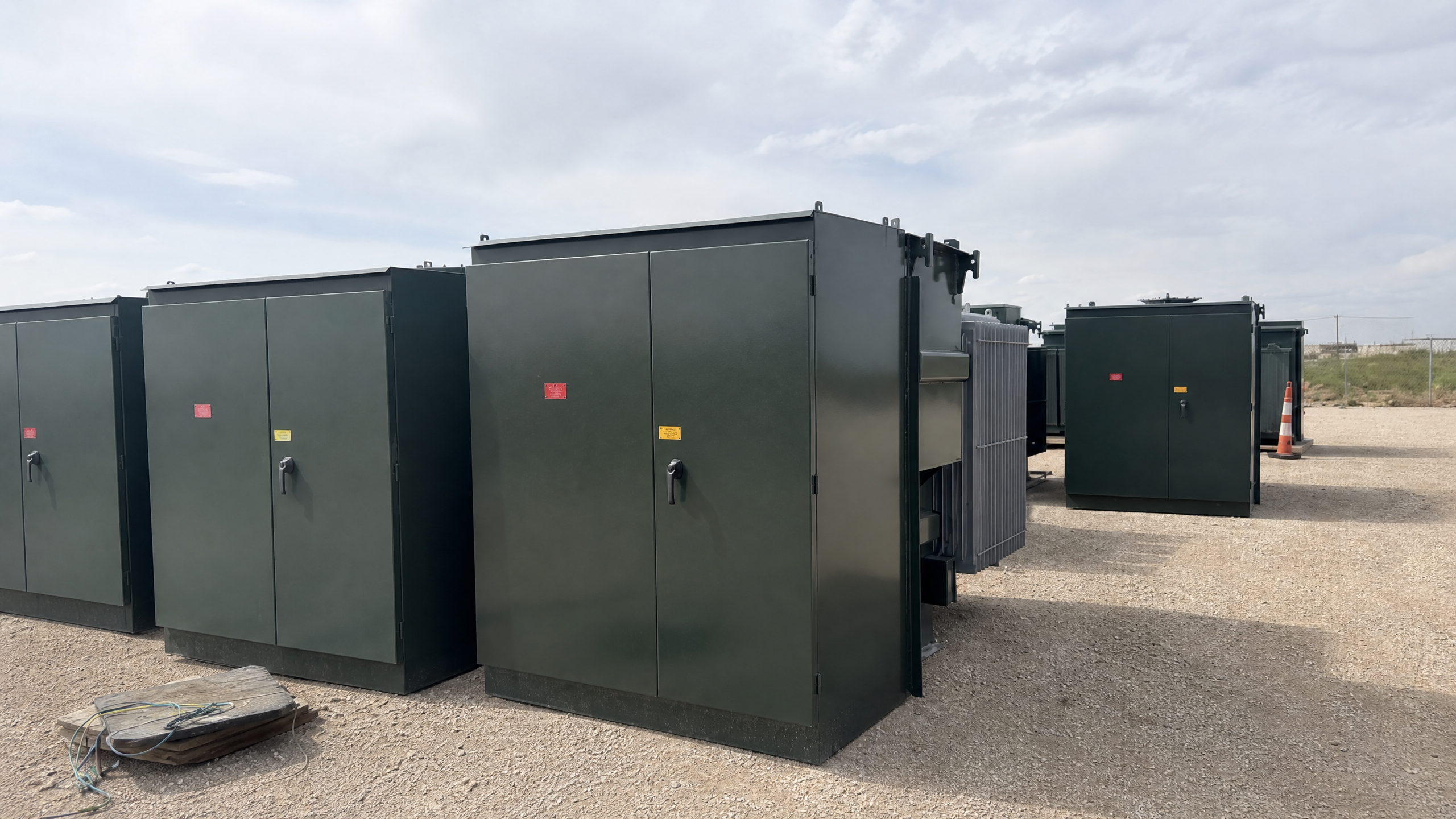
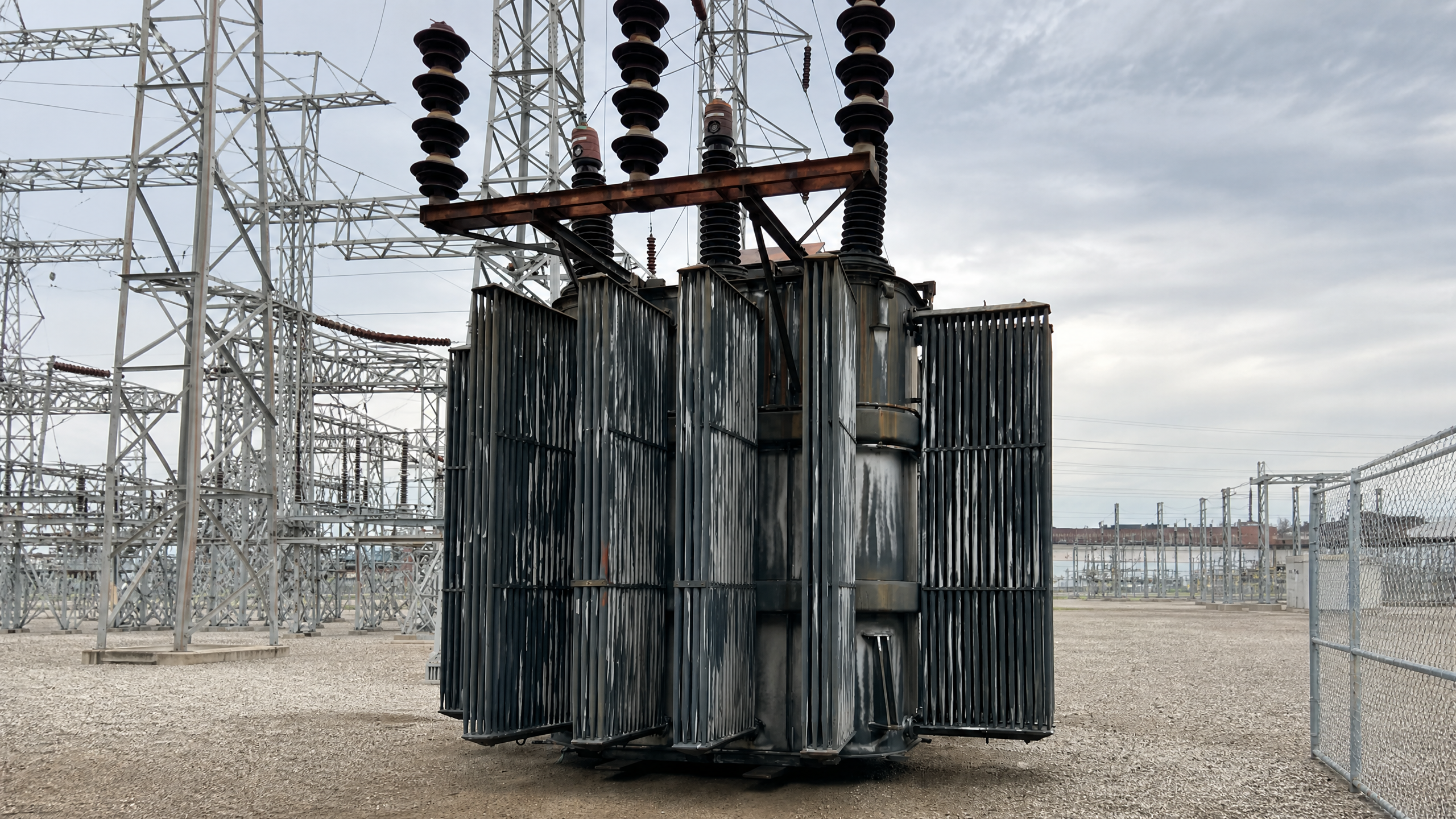
Beyond basic electrical specifications, the physical configuration of the GE transformer heavily influences its evaluation. Note whether the unit is a pad-mounted design for outdoor installation, a substation-style unit, or an indoor dry-type transformer. For oil-filled units, the type of dielectric fluid must be identified, along with the current fluid level and any indications of historical leaks. Providing a comprehensive overview of the unit's configuration, including the layout of high and low voltage compartments, helps establish a clear understanding of the equipment being offered. This point must be verified against the specific General Electric Transformers nameplate and project record before a transaction decision.
Assessing Condition and Operational History
The operational history and current physical condition of your General Electric transformer are significant factors in determining its secondary market potential. Units that have been regularly maintained generally present fewer challenges during evaluation. Documenting the reason for the equipment's removal—whether due to a facility closure, a planned capacity upgrade, or a mechanical failure—provides valuable context. If the transformer was taken offline due to performance issues, detailing these events transparently ensures all parties have a realistic expectation of the unit's status and necessary testing. This point must be verified against the specific General Electric Transformers nameplate and project record before a transaction decision.
For liquid-filled GE transformers, the condition of the dielectric fluid and the integrity of the tank are paramount. Recent dissolved gas analysis (DGA) reports or PCB testing results, if available, should be compiled and shared. These documents offer critical insights into the internal health of the transformer. Additionally, a visual inspection should note the condition of the exterior paint, significant rust, and the integrity of the bushings. Severe structural degradation or evidence of extensive fluid loss can impact the evaluation process and logistical planning. This point must be verified against the specific General Electric Transformers nameplate and project record before a transaction decision.
Logistical Considerations for Removal and Transport
Moving heavy electrical equipment requires careful planning, particularly when dealing with large General Electric transformers. Before a transaction can be finalized, the logistics of accessing, lifting, and transporting the unit must be thoroughly assessed. Sellers should evaluate the site conditions where the transformer is currently located. Consider whether the unit is situated on a concrete pad with clear overhead access for a crane, or if it requires specialized rigging equipment to navigate tight corridors. Clear communication regarding site restrictions is necessary to prevent delays. This point must be verified against the specific General Electric Transformers nameplate and project record before a transaction decision.
The physical dimensions and total weight of the GE transformer dictate the type of specialized transport required. Large substation units may necessitate multi-axle trailers, while smaller pad-mounted units can often be accommodated on standard flatbeds. It is also crucial to verify that the transformer is fully disconnected from all power sources and that secondary control wiring has been terminated. Ensuring that the equipment is secure minimizes the risk of damage during transit and facilitates a smoother handover to the transportation team. This point must be verified against the specific General Electric Transformers nameplate and project record before a transaction decision.
Navigating the Evaluation and Transaction Process
The process of selling surplus General Electric transformers begins with a comprehensive submission of the equipment's details. Asset managers and project teams should compile nameplate photographs, wide-angle shots of the unit, and any available maintenance records. Once this information is reviewed, a preliminary assessment can determine the viability of a direct purchase. This evaluation considers the current market demand for specific GE configurations, the unit's age, and its overall condition. Providing accurate details upfront expedites the review process. This point must be verified against the specific General Electric Transformers nameplate and project record before a transaction decision.
When an agreement is reached, the transaction moves into the logistical execution phase. This involves coordinating freight scheduling, finalizing paperwork, and ensuring site-specific requirements for the removal team are met. As direct buyers, Padmount Transformer Buyers aims to simplify this process for utilities, contractors, and industrial facilities. By clearly defining the responsibilities for rigging, loading, and transportation, both parties can work together to achieve a timely removal of surplus assets, allowing the seller to focus on core project objectives. This point must be verified against the specific General Electric Transformers nameplate and project record before a transaction decision.
Independence and Manufacturer Distinction
It is important for sellers to understand the distinction between independent direct buyers and the original equipment manufacturer. Padmount Transformer Buyers operates entirely independently and is not affiliated with, authorized by, or endorsed by General Electric. Our evaluations are based solely on the secondary market viability of the specific surplus equipment being offered. We do not represent the manufacturer in any capacity, nor do we provide OEM warranties or authorized repair services. Our focus is strictly on the acquisition of surplus transformers. This point must be verified against the specific General Electric Transformers nameplate and project record before a transaction decision.
This independent status allows us to evaluate a wide variety of GE transformer configurations without the constraints of manufacturer-specific trade-in programs. Whether dealing with a decades-old unit that has reached the end of its intended lifecycle or a newer transformer no longer needed due to facility changes, our assessment is objective. We encourage sellers to provide all relevant historical data and testing records to facilitate this independent evaluation, ensuring a transparent transaction process tailored to the secondary electrical equipment market. This point must be verified against the specific General Electric Transformers nameplate and project record before a transaction decision.