Evaluating Obsolete and Damaged Units for Material Value
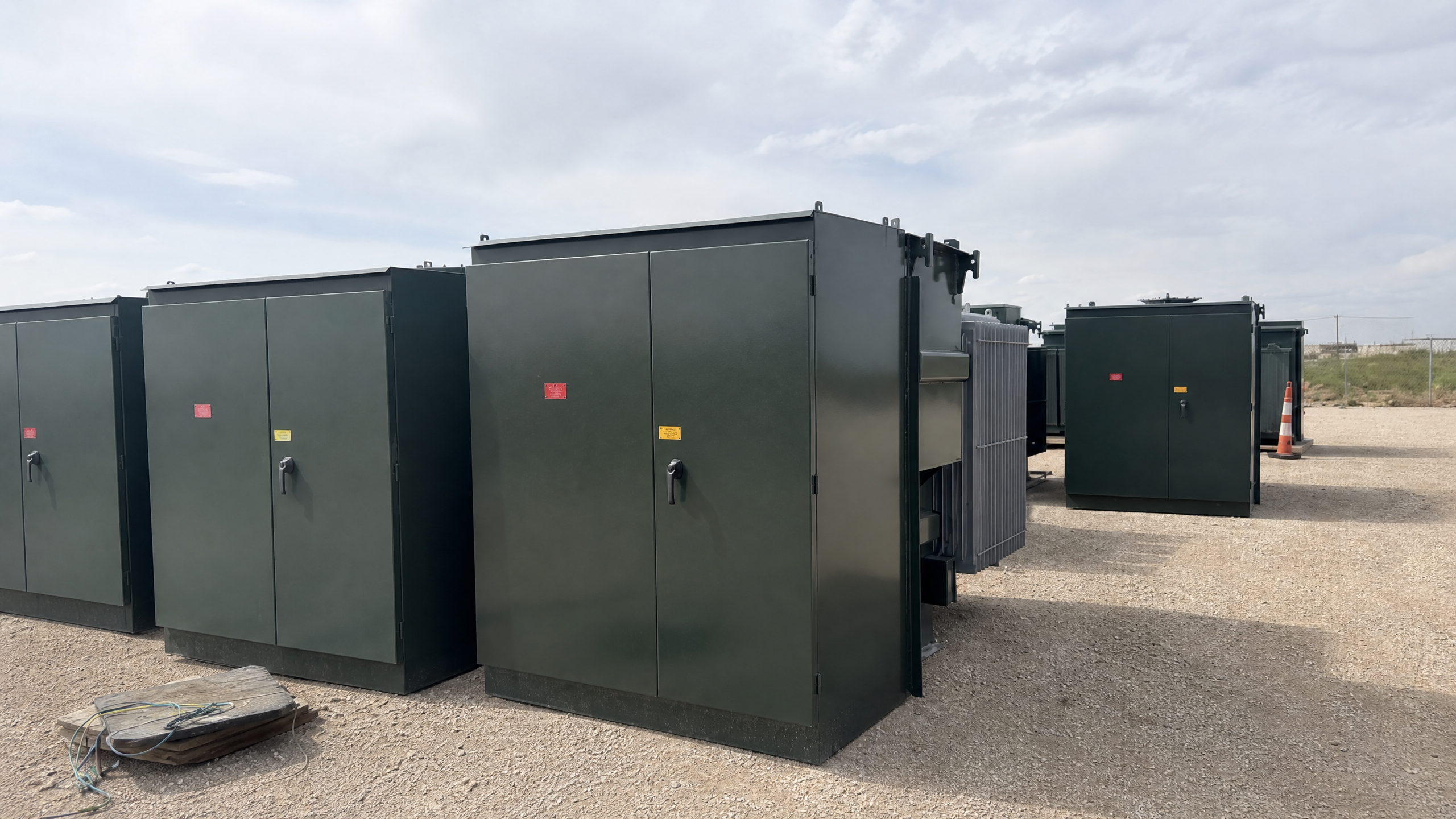
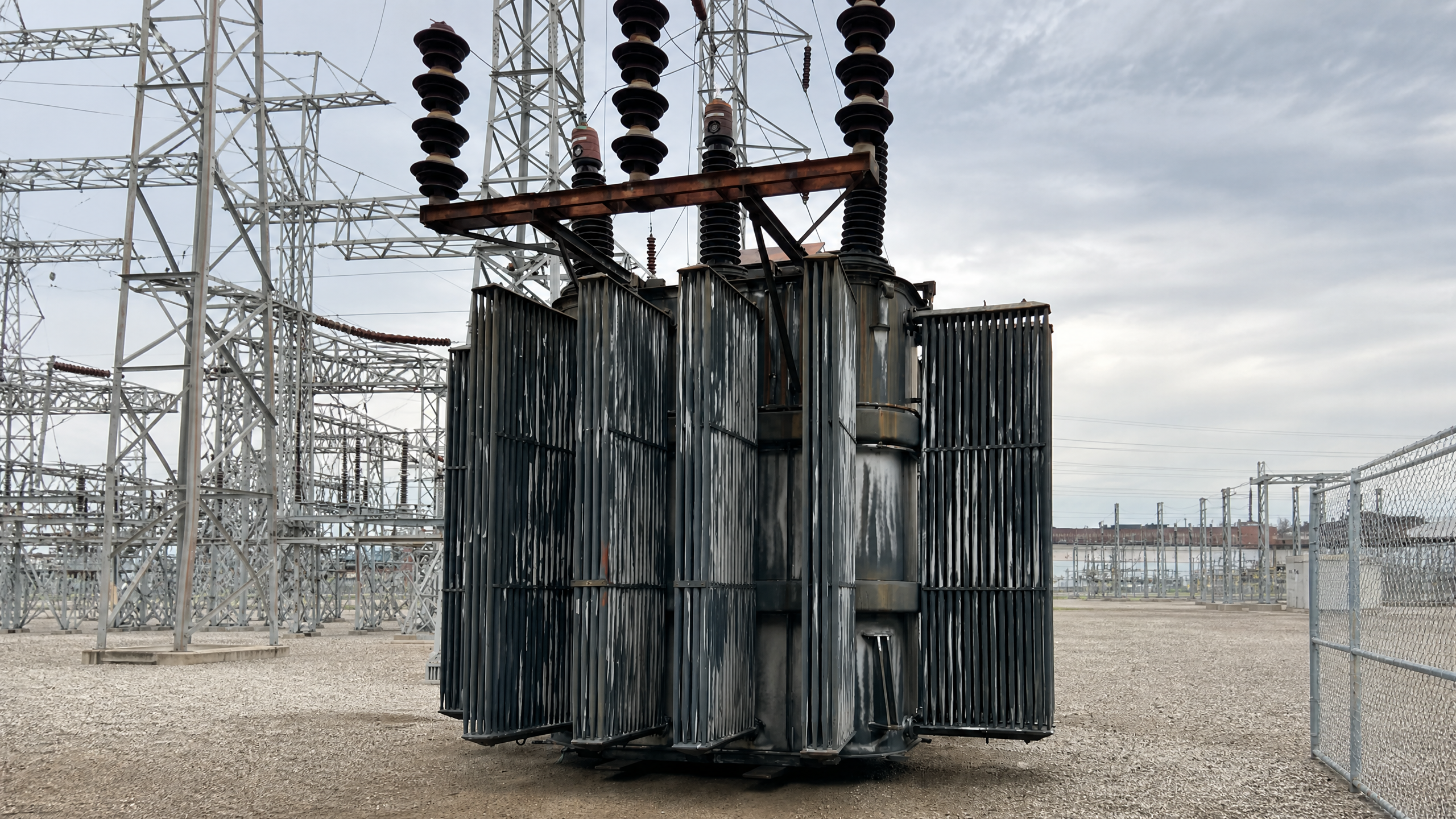
Scrap transformers are units that have experienced catastrophic failures, severe weather damage, or have aged beyond practical refurbishment. Rather than viewing these units as a disposal burden, facilities can leverage the intrinsic value of the metals contained within the equipment. The evaluation process for scrap transformers focuses on the core and coil assemblies, the winding materials present, and the overall weight. Copper and aluminum are the primary drivers of value, and understanding the construction of the transformer is essential for an accurate assessment. This point must be verified against the specific Scrap Transformers nameplate and project record before a transaction decision.
When preparing to sell scrap equipment, gathering specific details helps streamline the evaluation. While operational testing is unnecessary, nameplate data remains crucial because it provides insight into original specifications, including total weight, core and coil weight, and fluid capacity. If the nameplate is missing, providing physical dimensions and clear photographs of internal components can assist in determining potential material recovery value. Our team works with available information to structure an offer based on the recoverable assets within your obsolete inventory. This point must be verified against the specific Scrap Transformers nameplate and project record before a transaction decision.
Fluid Management and Transformer Oil Considerations
A critical aspect of handling scrap transformers involves managing the insulating fluids contained within the tanks. Many older units may still contain mineral oil or other dielectric fluids that must be addressed before the equipment can be transported. When contacting Padmount Transformer Buyers at 954-740-1983, it is important to disclose whether the transformer is filled, partially drained, or empty. Information regarding past fluid testing, particularly concerning the insulating oil, is highly valuable during the initial evaluation phase. This point must be verified against the specific Scrap Transformers nameplate and project record before a transaction decision.
We purchase scrap transformers in various states of fluid containment, provided the condition is communicated upfront. If your facility has drained the units, documenting the process and providing empty weights can expedite the transaction. For units that remain filled, we factor the fluid status into our evaluation and coordinate logistics to ensure the equipment is prepared for transit. Clear communication regarding fluid status prevents delays during pickup and ensures all parties are aligned on requirements for efficient loading and transportation. This point must be verified against the specific Scrap Transformers nameplate and project record before a transaction decision.
Logistics, Rigging, and Heavy Equipment Removal
The physical removal of scrap transformers often presents logistical challenges, particularly when dealing with large padmount units or substation equipment in difficult-to-access areas. Scrap units may have compromised structural integrity, rusted lifting lugs, or damaged enclosures, which complicates standard rigging procedures. Our evaluation process includes a thorough review of site conditions, access routes, and the physical state of the equipment to determine appropriate lifting and transportation methods required for efficient extraction. This point must be verified against the specific Scrap Transformers nameplate and project record before a transaction decision.
To facilitate a smooth removal process, sellers should provide detailed information about the equipment's location, including overhead obstructions, ground conditions, and proximity to active roadways. Photographs showing the surrounding environment and the condition of the transformer's base and lifting points are essential for planning logistics. Padmount Transformer Buyers coordinates the necessary freight and loading resources, tailoring the approach to accommodate the specific challenges of your site and the condition of the scrap units being removed. This point must be verified against the specific Scrap Transformers nameplate and project record before a transaction decision.
Consolidating Multiple Scrap Units for Efficient Transactions
Industrial facilities, utility companies, and large commercial operations frequently accumulate multiple scrap transformers over time as part of ongoing infrastructure upgrades or facility decommissioning projects. Selling these units individually can be time-consuming and inefficient. Consolidating multiple obsolete or damaged transformers into a single transaction often provides a more streamlined approach to clearing valuable yard space and recovering capital. We evaluate bulk inventories of scrap equipment, taking into account the varying sizes, types, and conditions of the units included in the lot. This point must be verified against the specific Scrap Transformers nameplate and project record before a transaction decision.
When submitting a multi-unit inventory for evaluation, organizing the information into a comprehensive list helps expedite the review process. Including the kVA ratings, winding materials, total weights, and fluid status for each unit allows our team to accurately assess the aggregate value of the lot. Whether your inventory consists of several small padmount transformers or a combination of pole-mounted and substation units, we work to structure a comprehensive purchase offer that addresses your entire accumulation of scrap equipment in one coordinated effort. This point must be verified against the specific Scrap Transformers nameplate and project record before a transaction decision.
The Information Needed to Initiate a Scrap Evaluation
Initiating the sale of a scrap transformer requires gathering specific data points that allow our buyers to understand the equipment's composition and logistical requirements. The most effective way to start the process is by providing clear, high-resolution photographs of the equipment from multiple angles, capturing any visible damage, the condition of the tank, and the surrounding environment. If the nameplate is intact, a close-up photograph of this tag is invaluable, as it contains the critical weight and material specifications needed for our assessment. This point must be verified against the specific Scrap Transformers nameplate and project record before a transaction decision.
In addition to photographs, a brief description of the equipment's history, including the reason it was taken out of service and its current fluid status, provides necessary context. If the unit has been stored outdoors for an extended period, noting any severe corrosion or structural degradation helps us plan for the physical handling of the equipment. By compiling this information and contacting Padmount Transformer Buyers, you enable our team to quickly evaluate your obsolete assets and propose a straightforward purchase arrangement that facilitates the removal of your scrap transformers. This point must be verified against the specific Scrap Transformers nameplate and project record before a transaction decision.