Evaluating Complete Transformer Inventories
Large-scale transformer liquidation requires a systematic approach to identifying, cataloging, and evaluating multiple units across different locations or within a single facility. When industrial plants, utility yards, or commercial properties undergo decommissioning or upgrades, the resulting surplus electrical equipment often includes a diverse mix of padmount, substation, and pole-mounted transformers. Assessing these assets accurately involves gathering comprehensive nameplate data, understanding the voltage classes present, and determining the physical and electrical condition of each unit. This point must be verified against the specific Transformer Liquidation nameplate and project record before a transaction decision.
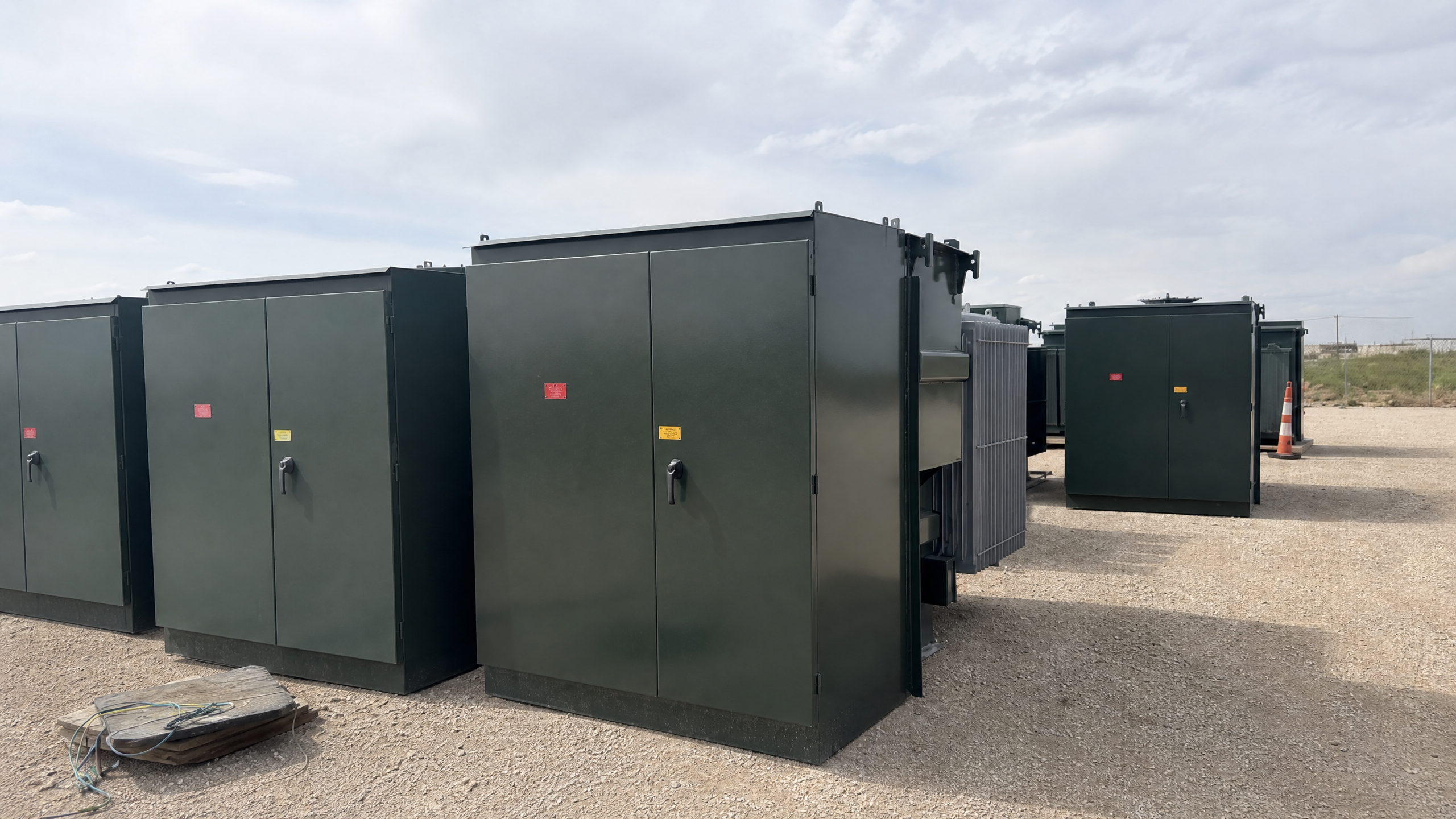
A structured inventory review begins with organizing the available data for each transformer, including manufacturer, kVA rating, primary and secondary voltages, and manufacturing dates. We examine the mix of dry-type and oil-filled transformers, noting specific configurations such as radial or loop feed, dead-front or live-front connections, and the presence of specialized components like tap changers or fusing. By compiling a detailed inventory list, asset managers and project teams can present a clear picture of the equipment available. This point must be verified against the specific Transformer Liquidation nameplate and project record before a transaction decision.
Assessing Condition and Fluid Status in Bulk
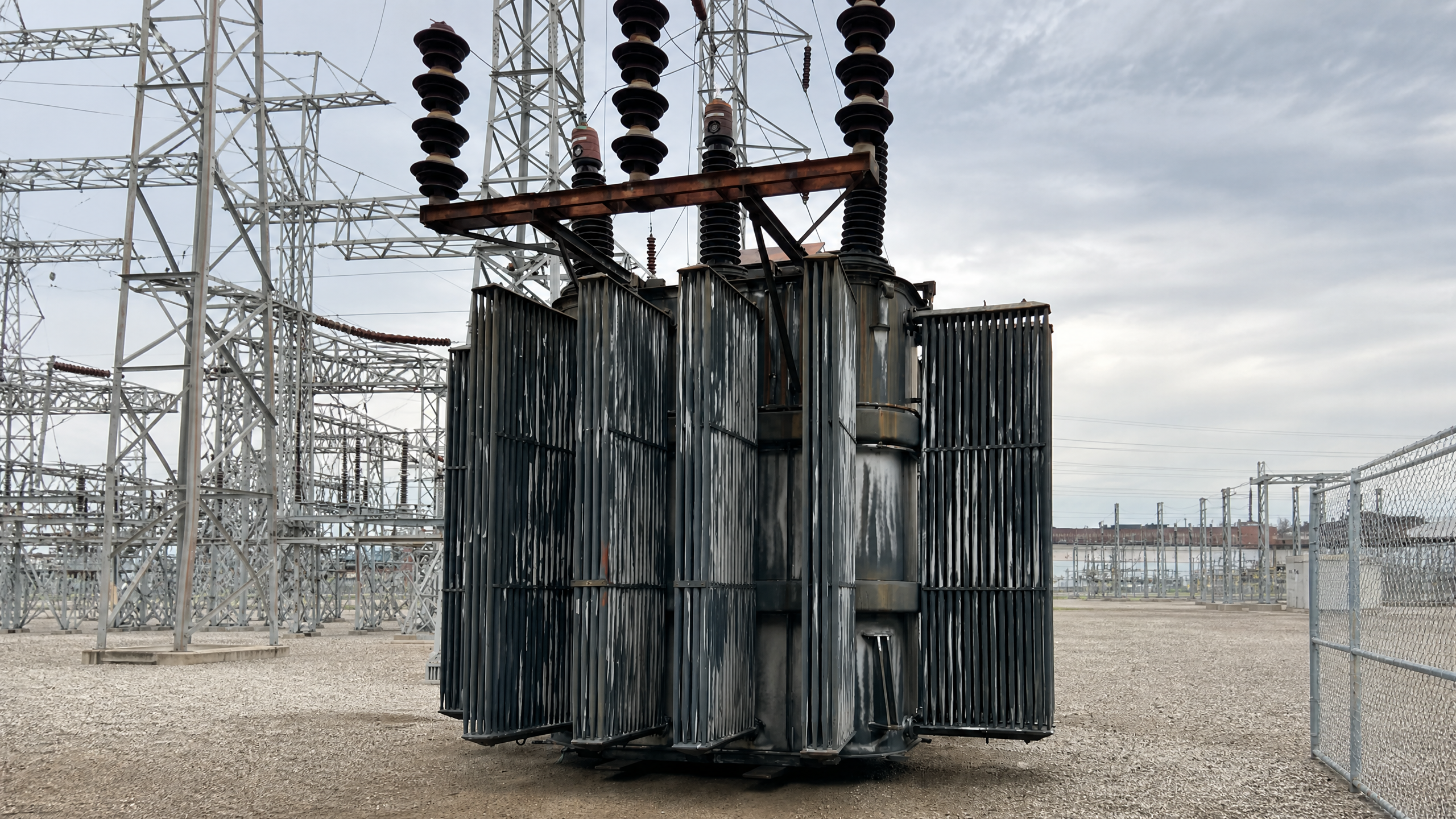
The physical condition and dielectric fluid status of transformers are critical factors in any liquidation project. When dealing with multiple units, the condition can vary significantly from new-old-stock kept in climate-controlled storage to weathered units removed from long-term outdoor service. We evaluate the external integrity of the tanks, looking for extensive rust, physical damage to radiators or bushings, and signs of active fluid leaks. This point must be verified against the specific Transformer Liquidation nameplate and project record before a transaction decision.
Fluid testing history, particularly dissolved gas analysis (DGA) and polychlorinated biphenyl (PCB) reports, provides essential insight into the internal health and regulatory status of the transformers. In liquidation scenarios, having recent and accurate PCB documentation for all fluid-filled units is necessary to proceed with any transaction. We review available test results to understand the electrical history of the units, including any signs of internal faulting, insulation degradation, or fluid contamination. This point must be verified against the specific Transformer Liquidation nameplate and project record before a transaction decision.
Site Access and Rigging Considerations
The logistics of removing and transporting multiple transformers are a major component of facility clearance and liquidation projects. Transformers are exceptionally heavy and require specialized rigging, craning, and heavy-haul transportation. When evaluating a liquidation opportunity, we consider the site conditions, including the accessibility of the equipment, ground stability for crane placement, and overhead clearances. Whether the transformers are located in an active industrial facility, a remote utility substation, or an indoor electrical vault, understanding the extraction path is crucial. This point must be verified against the specific Transformer Liquidation nameplate and project record before a transaction decision.
Asset owners and demolition contractors must coordinate closely to ensure that the equipment can be safely disconnected and prepared for transport. This includes verifying that the transformers are completely de-energized, properly isolated, and that all necessary securing mechanisms for transit are in place. For large-scale liquidations, scheduling the removal sequence and coordinating multiple trucks and lifting equipment requires detailed planning. This point must be verified against the specific Transformer Liquidation nameplate and project record before a transaction decision.
Transaction Timing and Project Coordination
Transformer liquidation projects often operate on strict timelines tied to facility closure dates, lease expirations, or new equipment installation schedules. Coordinating the evaluation, transaction, and removal of surplus assets requires clear communication and alignment of expectations between all parties involved. We work with project managers, demolition contractors, and facility owners to understand the specific deadlines and operational constraints of the site. This point must be verified against the specific Transformer Liquidation nameplate and project record before a transaction decision.
The complexity of bulk transactions necessitates a structured approach to documentation and logistics. Once an evaluation is complete and an agreement is reached, coordinating the logistics involves scheduling transportation that aligns with the site's availability and the rigging contractor's timeline. We prioritize clear, straightforward communication regarding the steps required to finalize the transaction and execute the removal of the equipment. This point must be verified against the specific Transformer Liquidation nameplate and project record before a transaction decision.
Information Required for Liquidation Evaluation
To initiate the evaluation of a transformer liquidation project, providing a comprehensive and organized data set is essential. The most critical piece of information is a detailed inventory spreadsheet that lists each transformer's specifications, accompanied by clear, legible photographs of every unit's nameplate. The nameplate contains the definitive technical details, including the kVA rating, high and low voltage specifications, impedance, vector group, and total weight, which are necessary for our assessment. This point must be verified against the specific Transformer Liquidation nameplate and project record before a transaction decision.
In addition to nameplate data, providing an overview of the equipment's current status and history adds significant context to the evaluation. Information regarding how long the units have been out of service, their storage conditions, and any known electrical or mechanical issues is highly valuable. For oil-filled transformers, current PCB test results and recent maintenance records should be included in the initial information package. This point must be verified against the specific Transformer Liquidation nameplate and project record before a transaction decision.