Evaluating Retired and Decommissioned Transformers
When electrical infrastructure undergoes planned modernization, the resulting decommissioned transformers require careful evaluation to determine their remaining viability. Unlike equipment that has suffered catastrophic failure, retired units often possess functional cores and coils that simply no longer meet increased capacity demands. We review the operational history, final testing data, and the circumstances surrounding the retirement. Capturing accurate nameplate data and recent maintenance records allows us to assess the asset accurately, whether removed during a scheduled substation upgrade or commercial renovation. This point must be verified against the specific Decommissioned Transformers nameplate and project record before a transaction decision.
The environment in which a decommissioned transformer was stored following its removal significantly impacts its evaluation. Units left exposed to the elements without proper sealing can experience moisture ingress, degrading the insulating fluid and internal components. Conversely, equipment properly drained, nitrogen-purged, or stored in a climate-controlled warehouse retains much of its structural integrity. We look for detailed documentation regarding the disconnection process, including fluid analysis reports generated just before the unit was taken offline, to provide a clear assessment. This point must be verified against the specific Decommissioned Transformers nameplate and project record before a transaction decision.
Logistical Considerations for Disconnected Equipment
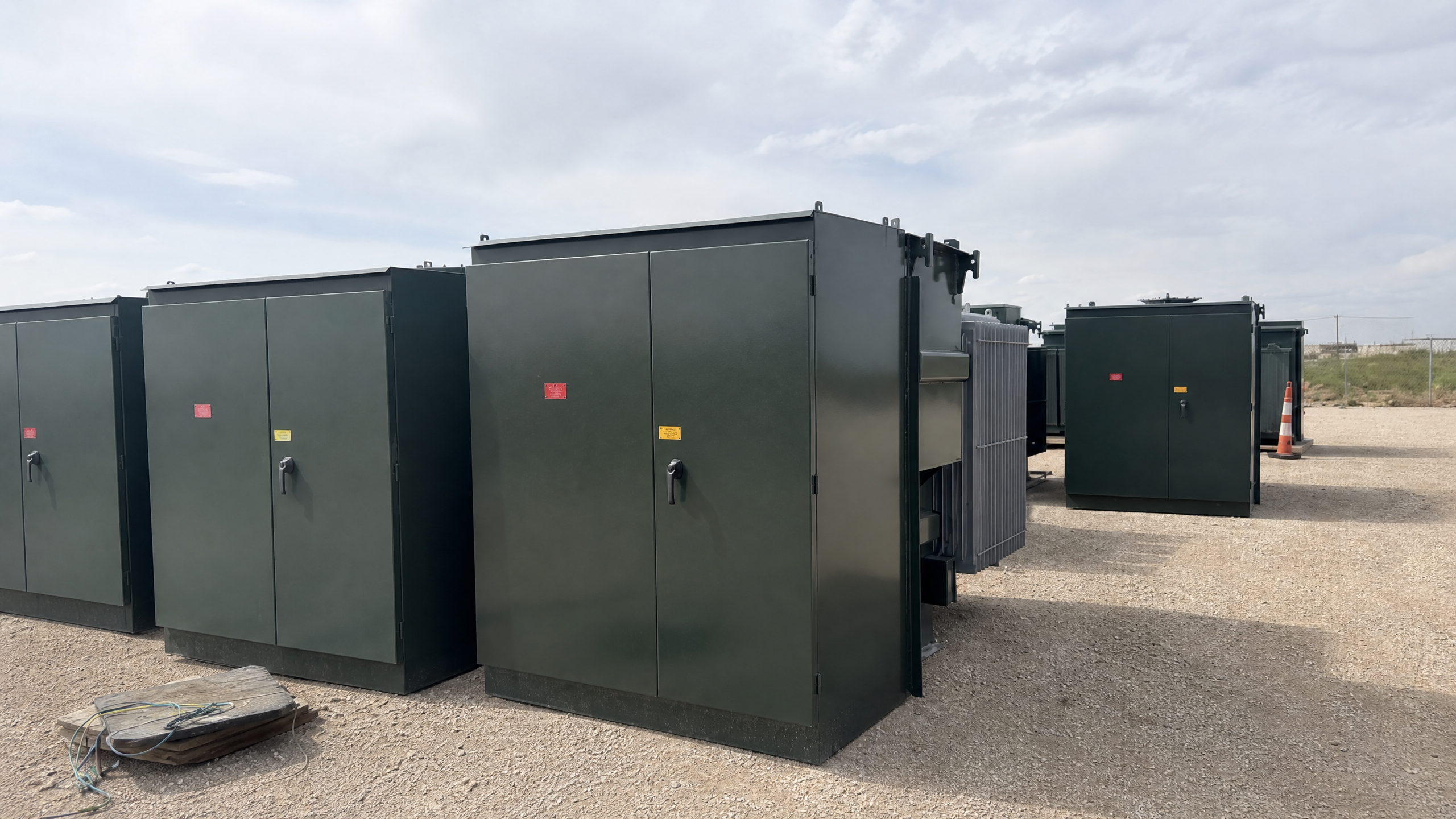
Removing decommissioned transformers from a facility involves navigating complex site access and rigging challenges, especially when the equipment has been relocated to a temporary laydown yard. The physical footprint and weight of large units require specialized lifting apparatus and heavy-duty transport vehicles. We evaluate the current location of the retired equipment, focusing on the availability of solid ground for crane placement and sufficient clearance for flatbed trailers. Understanding these constraints ensures the removal avoids disrupting ongoing operations or new infrastructure. This point must be verified against the specific Decommissioned Transformers nameplate and project record before a transaction decision.
In many decommissioning scenarios, the original rigging points and lifting lugs may have experienced wear or corrosion over decades of service. Assessing the structural integrity of the tank and lifting mechanisms is a critical step before any movement occurs. Additionally, the presence of residual insulating fluid necessitates careful handling to prevent leaks during transit. We coordinate closely with project managers to review available access routes and loading dock capabilities, facilitating the smooth extraction of retired transformers from diverse environments. This point must be verified against the specific Decommissioned Transformers nameplate and project record before a transaction decision.
Information Required for Asset Review
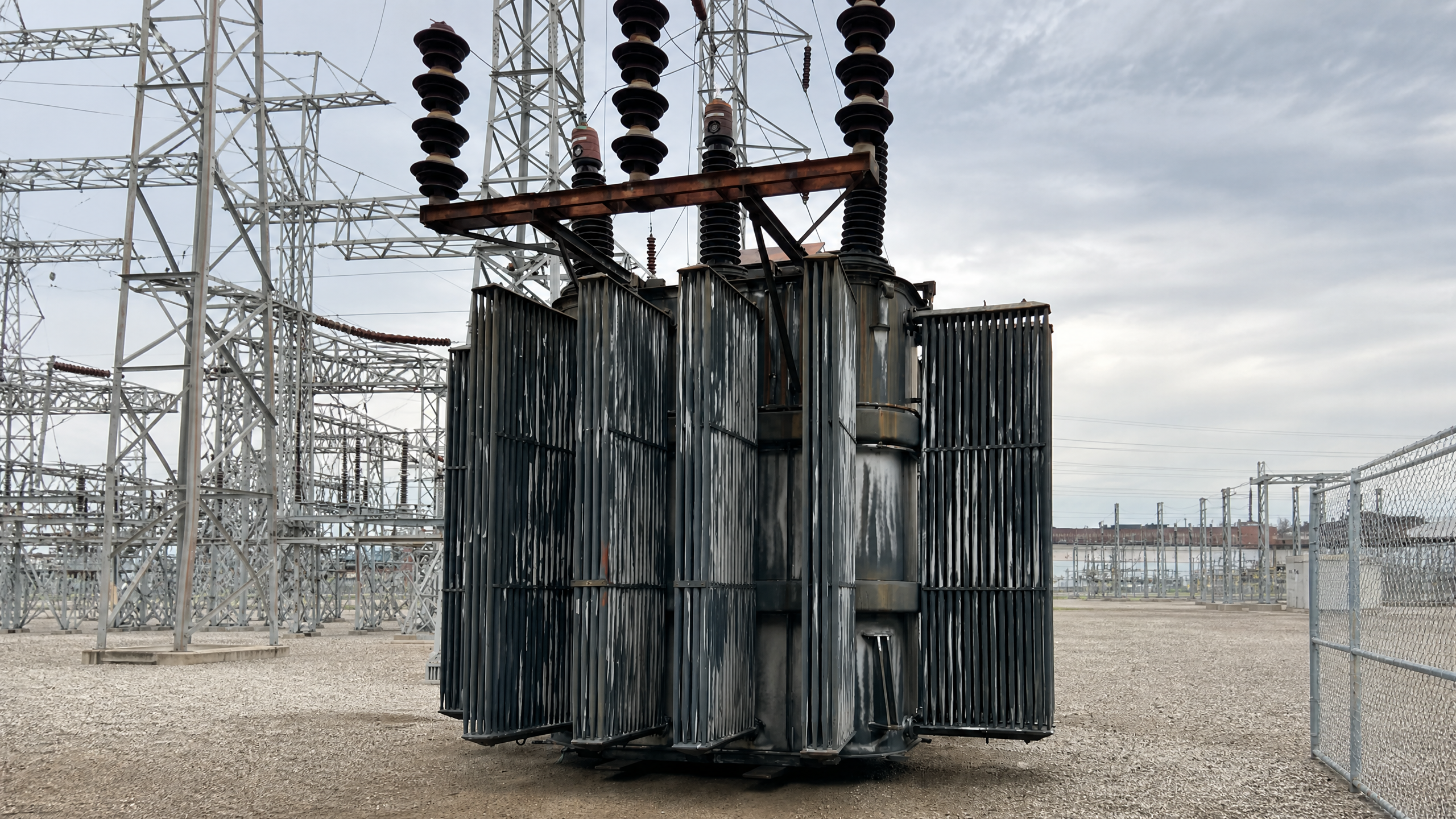
To conduct a thorough review of decommissioned transformers, specific technical and historical information must be compiled by the seller. The primary requirement is a clear photograph of the equipment's nameplate, providing essential data such as the kVA rating, primary and secondary voltages, impedance, and manufacturer details. Beyond the nameplate, we request comprehensive photographs of the unit's exterior, highlighting the condition of the bushings, radiators, and main tank. These visual records help identify any superficial damage or structural deterioration. This point must be verified against the specific Decommissioned Transformers nameplate and project record before a transaction decision.
In addition to visual documentation, available electrical testing and maintenance records add substantial context to the evaluation. Historical data regarding dissolved gas analysis (DGA), megger testing, and turns ratio measurements offer insights into the internal health of the transformer prior to decommissioning. If the unit was drained of its insulating fluid, documentation confirming the absence of polychlorinated biphenyls (PCBs) is highly relevant. Gathering this comprehensive information enables our team to efficiently process the evaluation and determine appropriate next steps. This point must be verified against the specific Decommissioned Transformers nameplate and project record before a transaction decision.
Managing Fluid and Environmental Data
The management of insulating fluid is a central component when dealing with decommissioned transformers, as the fluid's condition directly correlates with the unit's internal integrity. Even when a transformer has been retired from active duty, the dielectric fluid remaining within the tank must be accounted for accurately. We review documentation related to the fluid type and its historical testing results. Providing recent fluid analysis reports helps establish the baseline condition and informs necessary handling procedures during removal and transport. This point must be verified against the specific Decommissioned Transformers nameplate and project record before a transaction decision.
For older decommissioned units, verifying the PCB status of the insulating fluid is a critical step in the evaluation process. Equipment manufactured before certain regulatory cutoffs may contain trace amounts of regulated substances, requiring specific documentation to confirm compliance with current handling standards. We rely on the seller to provide accurate, verifiable records regarding the fluid's chemical composition and any past retrofill operations. Ensuring that fluid-related data is transparent allows us to effectively assess the equipment while navigating legacy infrastructure. This point must be verified against the specific Decommissioned Transformers nameplate and project record before a transaction decision.
The Transaction and Removal Process
The process of selling decommissioned transformers begins with a structured review of the provided documentation and visual evidence. Once the initial assessment is complete and the equipment aligns with our purchasing criteria, we engage in detailed discussions regarding the timeline for removal. We understand that industrial facilities and utility sites operate under strict project schedules during modernization efforts. Coordinating logistics requires clear communication to align the extraction of retired units with the site's operational windows, minimizing interference with ongoing activities. This point must be verified against the specific Decommissioned Transformers nameplate and project record before a transaction decision.
Finalizing the transaction involves confirming site access details and preparing the equipment for safe transport. Sellers must ensure that the transformers are fully disconnected from all power sources and that necessary site clearances have been obtained. We work with designated site contacts to verify that the loading area is prepared for the arrival of specialized transport vehicles. Through careful planning and adherence to established protocols, Padmount Transformer Buyers facilitates the orderly removal of decommissioned transformers across various commercial sectors. This point must be verified against the specific Decommissioned Transformers nameplate and project record before a transaction decision.