Evaluating 2.4 kV and 4.16 kV Distribution Transformers
The 5 kV voltage class represents a substantial portion of industrial and commercial electrical distribution systems, commonly operating at 2400V, 4160V, or 4800V. These medium-voltage transformers are frequently utilized in manufacturing facilities, institutional campuses, and older utility grids to step down voltage for local distribution or equipment operation. When facilities undergo capacity expansions, modernization projects, or complete decommissioning, these transformers often become surplus assets. We review these specific voltage configurations to determine their current condition and potential for acquisition. This point must be verified against the specific 5 kV Class Transformers nameplate and project record before a transaction decision.
Because 5 kV class equipment is integral to many legacy and modern power systems, the specifications on the nameplate provide the foundation for our evaluation. We look closely at the primary and secondary voltage ratings, kVA capacity, vector group, and impedance values. Understanding whether the unit is configured as a step-up or step-down transformer, and identifying its specific tap changer configuration, allows us to accurately assess the equipment. Owners looking to divest these assets should gather clear documentation of these electrical characteristics to facilitate a straightforward review process. This point must be verified against the specific 5 kV Class Transformers nameplate and project record before a transaction decision.
Condition Assessment and Fluid Considerations
The physical and operational condition of a 5 kV class transformer significantly influences its evaluation. We review equipment ranging from fully operational units recently removed from active service to older assets that have been held in long-term storage. Key condition indicators include the integrity of the tank, the state of the bushings and connections, and any visible signs of fluid weeping or external corrosion. While recent electrical testing data, such as Megger or turns ratio tests, can provide valuable insights into the internal health of the windings and insulation, it is not strictly required to initiate a conversation about selling your equipment. This point must be verified against the specific 5 kV Class Transformers nameplate and project record before a transaction decision.
For liquid-filled 5 kV transformers, the type and status of the dielectric fluid are critical components of the review. Whether the unit contains mineral oil, silicone, or a less-flammable natural ester fluid, understanding the fluid history helps clarify the logistical requirements for removal and transport. We ask sellers to provide any available dissolved gas analysis (DGA) reports or PCB test results. Accurate fluid documentation ensures that the subsequent steps in the transaction align with standard transportation and handling protocols for medium-voltage electrical equipment. This point must be verified against the specific 5 kV Class Transformers nameplate and project record before a transaction decision.
Logistics, Rigging, and Site Access
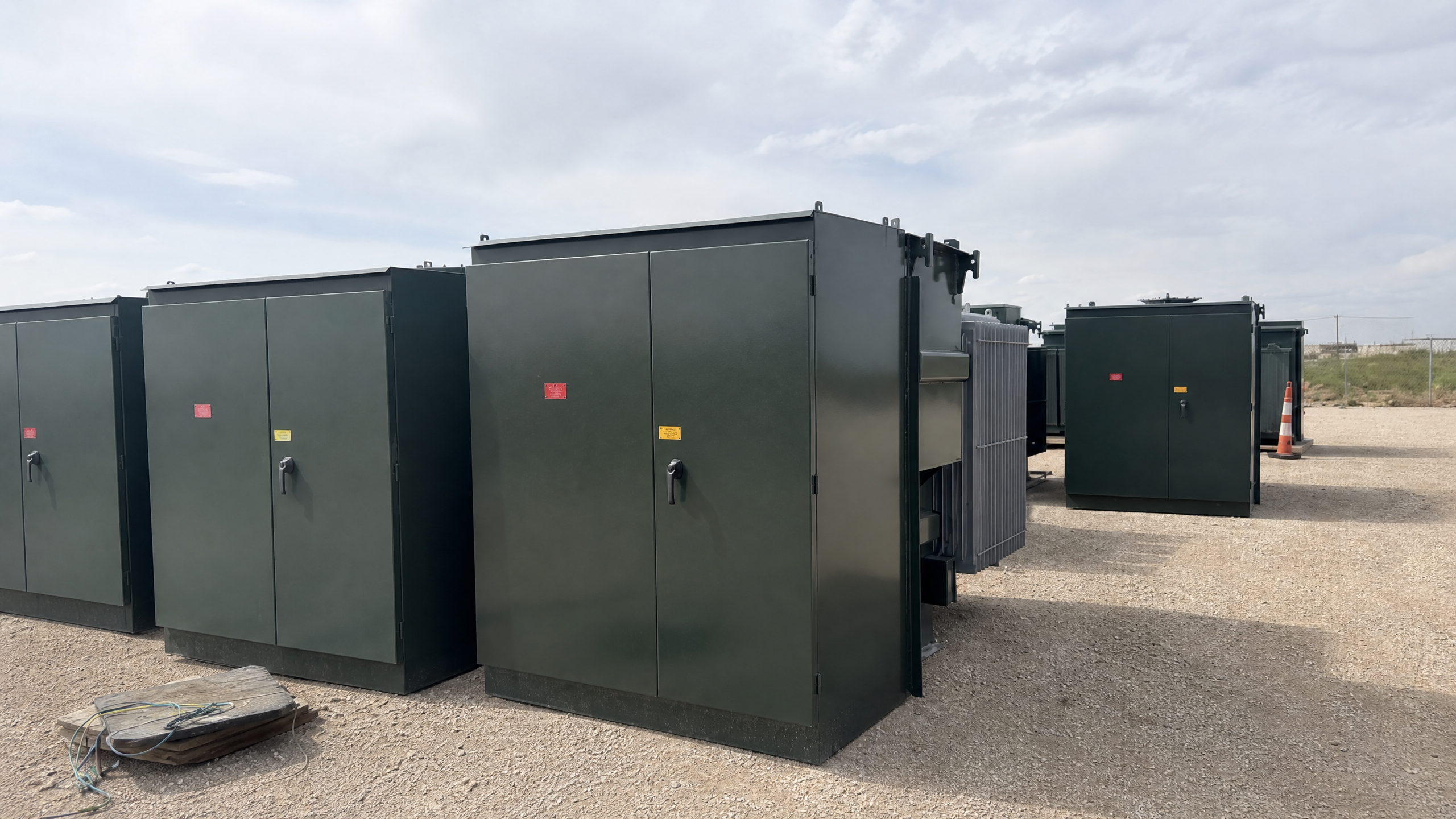
Removing medium-voltage transformers from industrial environments requires careful logistical planning and coordination. 5 kV class transformers can vary widely in physical footprint and weight, depending on their kVA rating and whether they are pad-mounted, substation-style, or pole-mounted configurations. We work with sellers to understand the specific site conditions, including whether the transformer is located on a concrete pad with clear crane access, situated inside an electrical room, or positioned in a restricted-access area. Clear communication about these logistical constraints is essential for developing an accurate removal plan. This point must be verified against the specific 5 kV Class Transformers nameplate and project record before a transaction decision.
When preparing to sell your equipment, documenting the immediate surroundings of the transformer is highly beneficial. Providing photographs that show the path of egress, overhead clearances, and proximity to other active electrical equipment allows us to anticipate the necessary rigging requirements. Sellers should also verify that the equipment has been properly de-energized and disconnected by qualified personnel prior to the scheduled removal. By addressing these access and loading considerations early in the process, both parties can coordinate a safe and efficient timeline for the equipment transfer. This point must be verified against the specific 5 kV Class Transformers nameplate and project record before a transaction decision.
The Information Required for Equipment Review
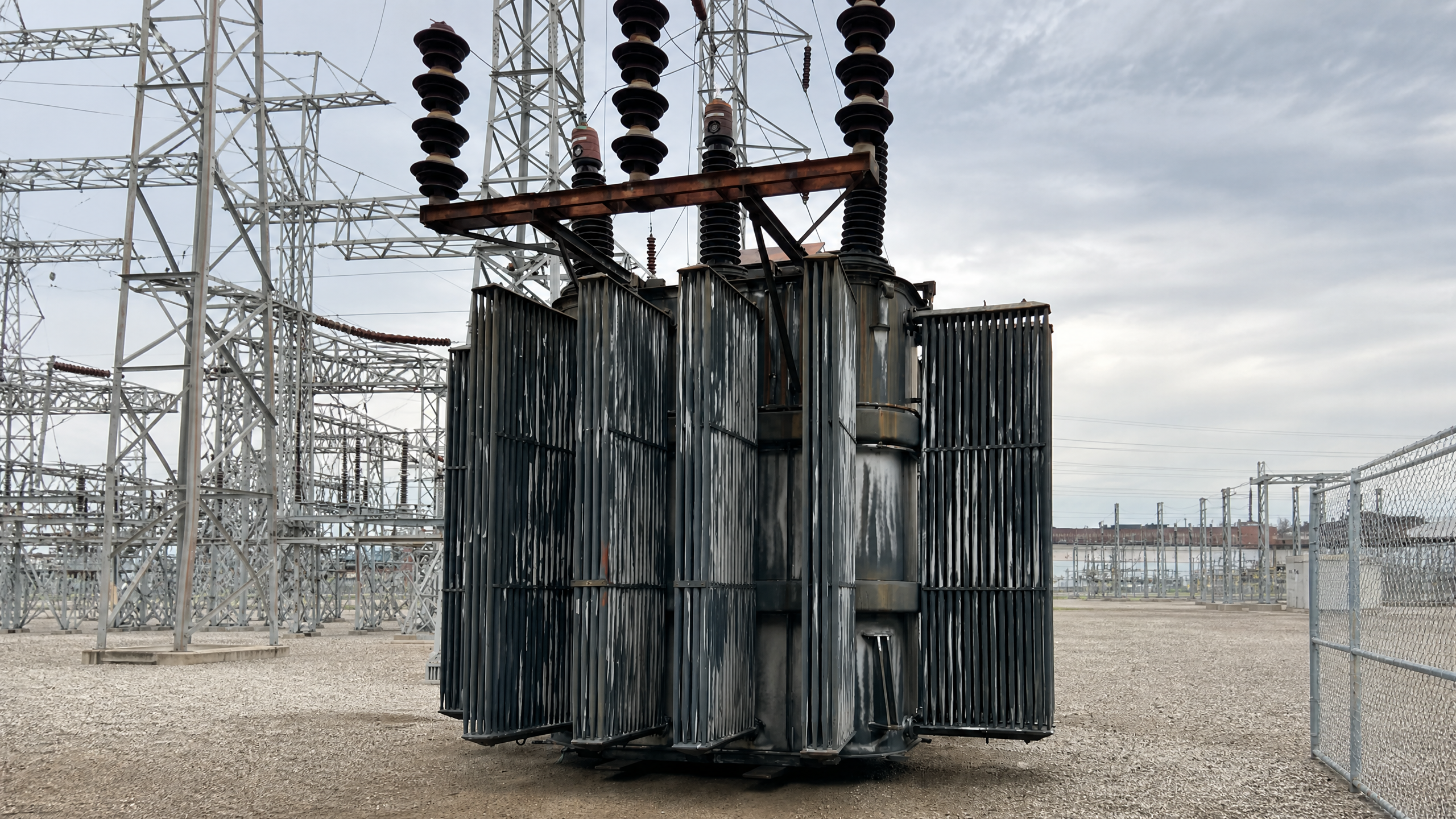
To initiate the evaluation of a 5 kV class transformer, we require a specific set of details that clearly identify the asset and its current status. The most critical piece of information is a clear, legible photograph of the manufacturer's nameplate, which contains the essential electrical ratings, manufacturing date, and serial number. In addition to the nameplate, we request comprehensive photographs of the entire transformer from multiple angles. These images should clearly show the high and low voltage compartments, the condition of the exterior casing, the cooling radiators, and the main tank. This point must be verified against the specific 5 kV Class Transformers nameplate and project record before a transaction decision.
Beyond the visual documentation, providing a brief history of the transformer's application and maintenance can streamline our review. Information regarding why the unit is being removed—such as a facility upgrade, plant closure, or routine replacement—adds helpful context. If the transformer was subjected to regular maintenance schedules or recent diagnostic testing, including those records can be advantageous. Our goal is to gather a complete picture of the 5 kV equipment so we can respond with a clear and timely assessment of our interest in acquiring the asset. This point must be verified against the specific 5 kV Class Transformers nameplate and project record before a transaction decision.
Navigating the Transaction and Removal Timeline
Selling surplus electrical equipment involves coordinating the transaction with your facility's operational schedule. We understand that transformer removals are often tied to strict project deadlines, such as the arrival of replacement equipment or the final stages of a site demolition. When evaluating 5 kV class transformers, we prioritize clear communication regarding the timeline from the initial review to the final equipment removal. Sellers can expect a structured process where the required documentation is reviewed, terms are discussed, and logistics are planned in accordance with the project's specific constraints. This point must be verified against the specific 5 kV Class Transformers nameplate and project record before a transaction decision.
Once an agreement is reached, the focus shifts to executing the removal safely and efficiently. We coordinate with the seller to ensure that the loading and transportation phases align with site access availability and facility protocols. Padmount Transformer Buyers manages the acquisition process with an emphasis on minimizing disruption to your ongoing operations. If you have 2.4 kV or 4.16 kV transformers available for sale, contacting us at 954-740-1983 with your equipment details is the first step toward determining the viability of a transaction. This point must be verified against the specific 5 kV Class Transformers nameplate and project record before a transaction decision.