Understanding 35 kV Class Transformer Valuations
The 35 kV voltage class encompasses a wide range of critical electrical infrastructure, most commonly including 34.5 kV primary voltage applications used in industrial facilities, utility distribution networks, and renewable energy sites. When preparing to sell these high-voltage transformers, providing accurate nameplate data is essential for an initial evaluation. The primary and secondary voltage ratings, kVA or MVA capacity, impedance values, and vector groups all significantly influence the market viability of the equipment. Sellers should ensure that all rating plates are legible and photographed clearly, as these details confirm the unit's specifications and operational capabilities. This point must be verified against the specific 35 kV Class Transformers nameplate and project record before a transaction decision.
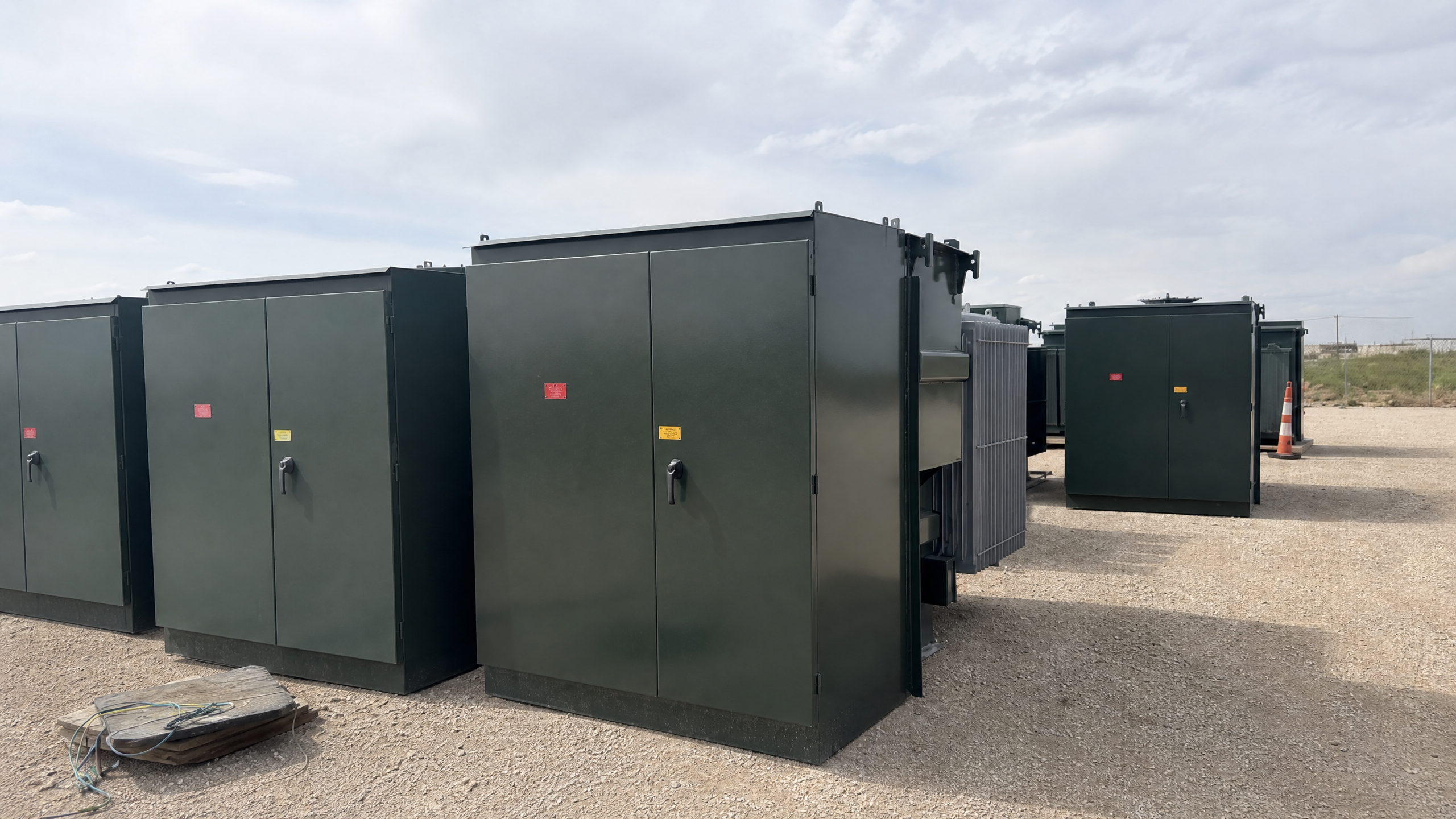
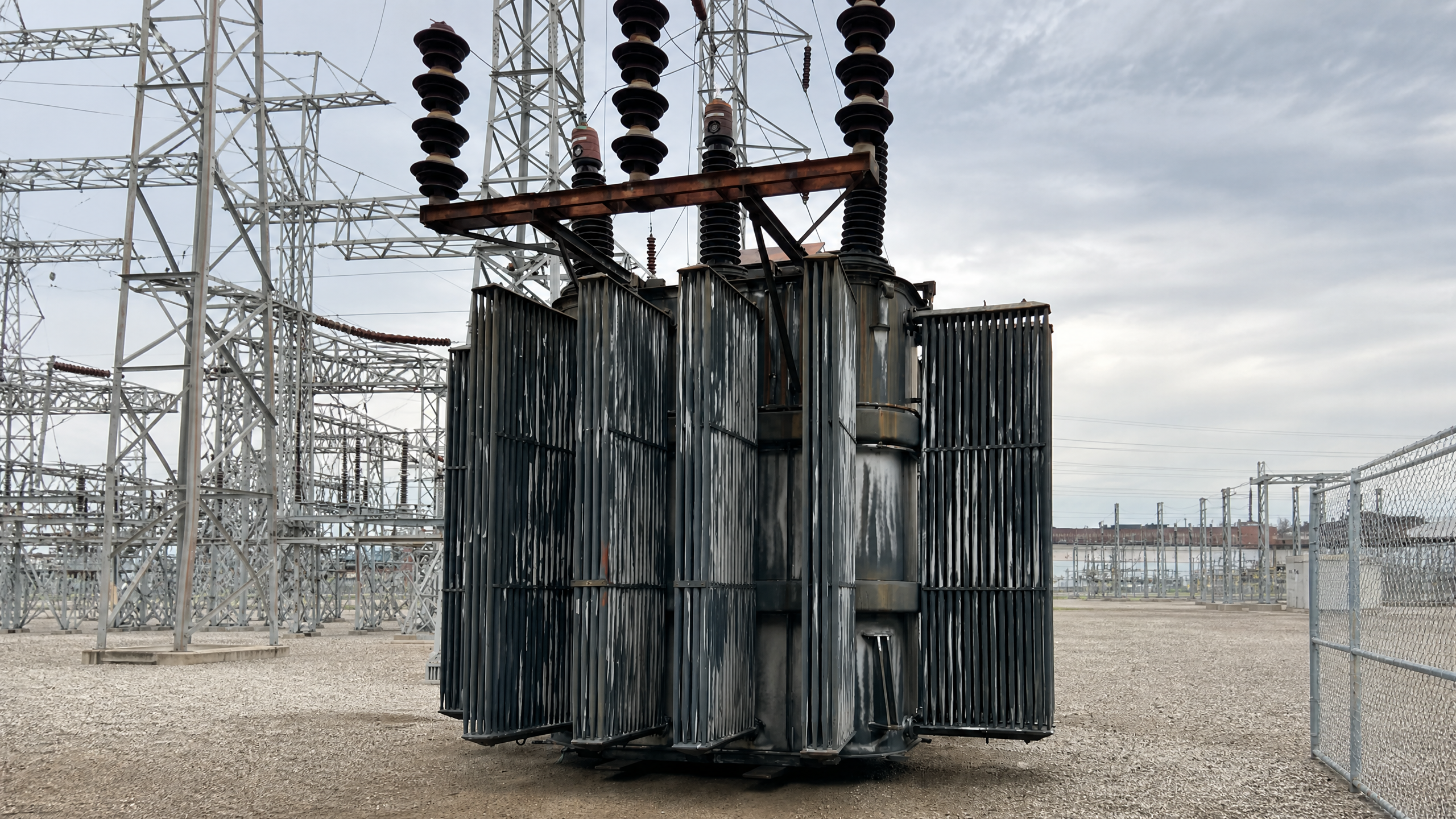
In addition to basic electrical specifications, the configuration of the 35 kV class transformer plays a vital role in the assessment process. Whether the unit is a pad-mounted distribution transformer, a substation-style unit, or a specialized dry-type transformer, the physical construction and cooling class provide important context. Details regarding the presence of load tap changers (LTC), no-load tap changers, and the specific bushing arrangements help our team understand the equipment's original application and its potential suitability for future use. Accurate documentation of these features streamlines the evaluation and helps avoid delays. This point must be verified against the specific 35 kV Class Transformers nameplate and project record before a transaction decision.
Assessing Condition and Fluid Status
The operational history and current condition of 35 kV class transformers are critical factors when determining their salvage or surplus value. We evaluate equipment in various states, ranging from fully operational units that have been recently decommissioned to transformers that have experienced faults or prolonged periods of inactivity. Sellers should provide comprehensive details about the unit's service life, maintenance history, and any known issues. If recent electrical testing, such as Megger, turns ratio, or dissolved gas analysis (DGA), has been performed, sharing these reports can greatly enhance the accuracy of our initial review. This point must be verified against the specific 35 kV Class Transformers nameplate and project record before a transaction decision.
For liquid-filled 35 kV transformers, the status and type of the dielectric fluid are of paramount importance. Information regarding whether the transformer contains mineral oil, natural ester fluids, or silicone-based coolants is necessary for safe handling and transportation planning. Sellers must disclose the PCB (polychlorinated biphenyl) status of the fluid, ideally supported by recent laboratory test results. Providing a clear record of the fluid's condition, including any signs of leaks or past remediation efforts, ensures that all logistical and safety considerations are addressed early in the transaction process. This point must be verified against the specific 35 kV Class Transformers nameplate and project record before a transaction decision.
Logistics, Rigging, and Site Access
The physical size and weight of 35 kV class transformers present significant logistical challenges that must be carefully managed during the removal process. These high-voltage units often require specialized rigging equipment, heavy-duty cranes, and lowboy trailers for safe extraction and transport. When initiating a sale, sellers should evaluate their facility's site access, noting any overhead clearances, weight restrictions on access roads, or tight turning radiuses that could impact the mobilization of heavy machinery. Providing a clear description of the physical environment allows our team to coordinate effectively with freight professionals. This point must be verified against the specific 35 kV Class Transformers nameplate and project record before a transaction decision.
Additionally, the current installation status of the transformer affects the timeline and complexity of the removal. Units located indoors, in subterranean vaults, or on elevated platforms require detailed extraction plans compared to easily accessible outdoor substations or concrete pads. Sellers should communicate whether the equipment has already been disconnected, drained of fluid, or prepped for transport. By sharing comprehensive site photographs and outlining any site-specific safety protocols or access restrictions, facility managers can help ensure a smooth and efficient transition from their site to the transportation phase. This point must be verified against the specific 35 kV Class Transformers nameplate and project record before a transaction decision.
Information Required for Evaluation
To initiate a productive discussion about selling your 35 kV class transformer, compiling a complete set of documentation is highly recommended. The most crucial piece of information is a high-resolution photograph of the original manufacturer's nameplate, which contains the essential electrical and manufacturing data. Alongside the nameplate, sellers should gather overall photographs of the transformer from multiple angles, capturing the condition of the tank, radiators, bushings, and control cabinets. Visual evidence of the equipment's current state is invaluable for our preliminary assessment and helps set realistic expectations for the transaction. This point must be verified against the specific 35 kV Class Transformers nameplate and project record before a transaction decision.
Beyond visual documentation, any available historical records can facilitate a more thorough evaluation. Maintenance logs, original factory test reports, and recent diagnostic evaluations provide a clearer picture of the transformer's operational integrity. If the unit has undergone repairs, retrofits, or fluid processing during its service life, these details should be disclosed. While not all historical data is strictly required to begin the process, a well-documented equipment profile enables our team to quickly determine the equipment's viability and structure an appropriate purchase arrangement tailored to your specific situation. This point must be verified against the specific 35 kV Class Transformers nameplate and project record before a transaction decision.
The Transaction and Removal Process
Navigating the sale of high-voltage electrical equipment requires clear communication and a structured approach. Once the initial information and photographs of your 35 kV class transformer have been reviewed, Padmount Transformer Buyers will work with you to outline the next steps. If the equipment aligns with our current purchasing requirements, we will discuss the logistical framework and financial parameters of the transaction. Our goal is to provide a transparent process, ensuring that sellers understand the timeline, the responsibilities regarding equipment preparation, and the coordination required for successful extraction and transport. This point must be verified against the specific 35 kV Class Transformers nameplate and project record before a transaction decision.
We recognize that industrial facilities, utility operators, and contractors often operate under strict project deadlines or facility decommissioning schedules. Therefore, establishing a clear timeline for the removal of the 35 kV equipment is a priority. Sellers should communicate their preferred timeframe and any external factors, such as impending site closures or new equipment deliveries, that dictate the schedule. By aligning our evaluation and logistics planning with your project milestones, we strive to execute the transaction efficiently, minimizing disruption to your ongoing operations while providing a reliable outlet for your surplus transformers. This point must be verified against the specific 35 kV Class Transformers nameplate and project record before a transaction decision.