Evaluating 25 kV Class Transformers for Resale
The 25 kV voltage class encompasses distribution transformers utilized in medium-voltage networks, renewable energy collection systems, and industrial facilities. Common primary voltage ratings include 24940GrdY/14400, 22860, and 23000 volts. Accurately identifying primary and secondary voltage configurations is the critical first step when owners prepare to sell equipment. Understanding exact application history helps determine suitability for secondary market utilization. Equipment that has been carefully maintained presents a clear profile for potential acquisition, allowing our team to understand the core characteristics of the units you wish to divest. This point must be verified against the specific 25 kV Class Transformers nameplate and project record before a transaction decision.
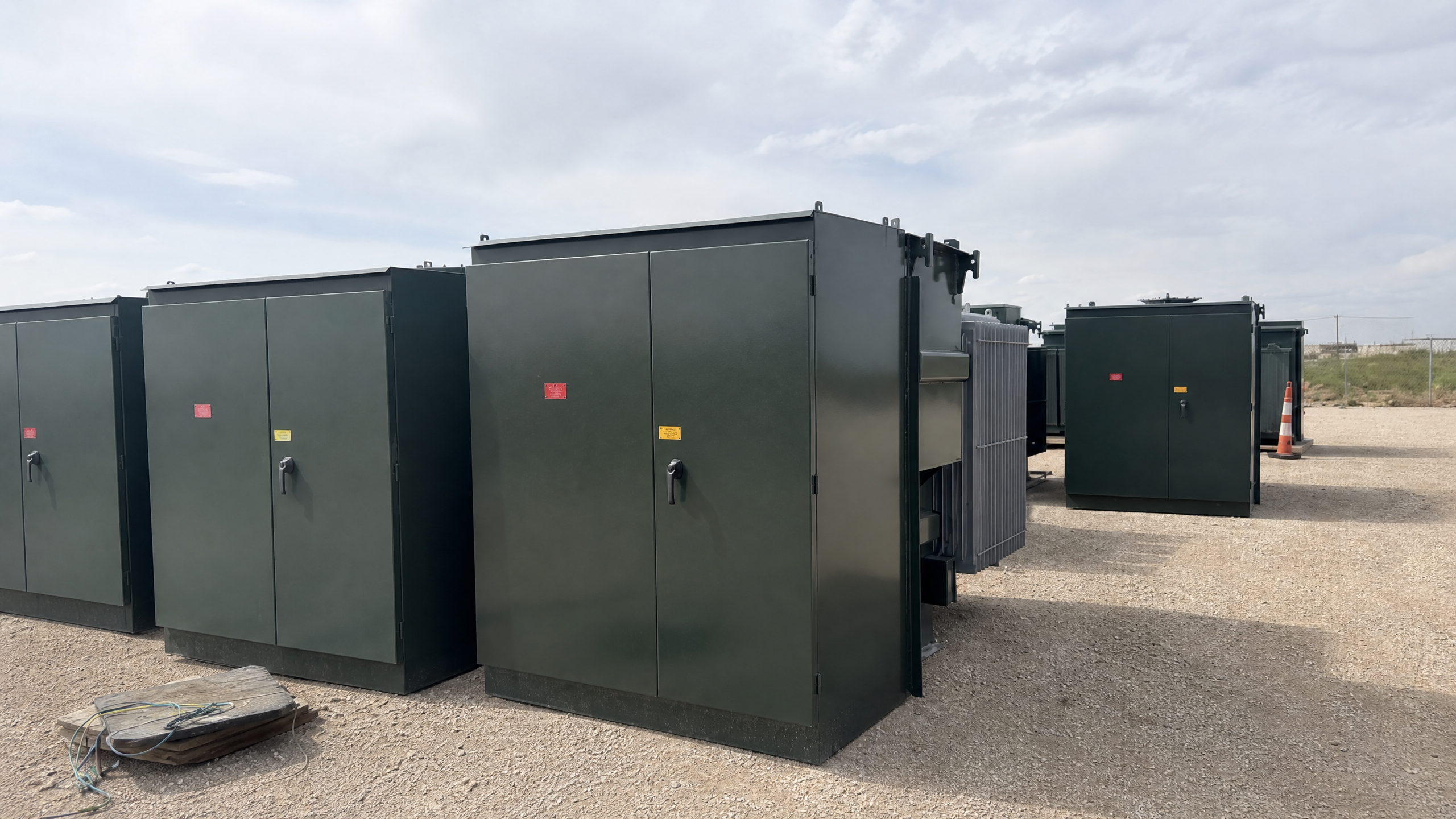
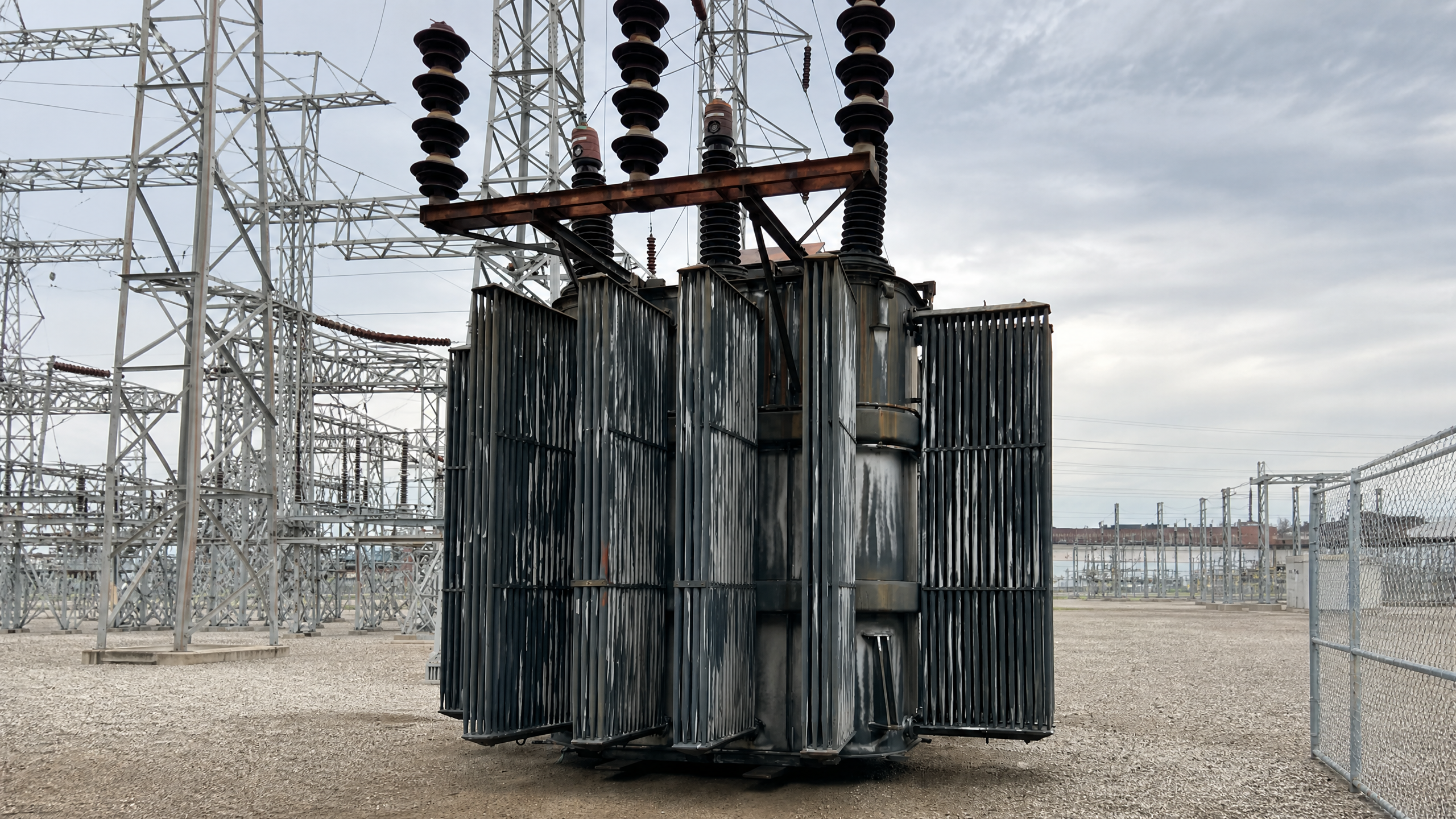
Beyond primary voltage, the physical construction of 25 kV class transformers plays a significant role in the evaluation process. This category includes pad-mounted transformers for underground distribution and substation-style units for fenced enclosures. Pad-mounted variations often feature dead-front or live-front primary connections and specific fusing arrangements. Substation units may include distinct bushing arrangements and specialized cooling radiators. By compiling detailed information on the equipment's configuration, owners enable Padmount Transformer Buyers to efficiently assess the hardware and make informed purchasing decisions. This point must be verified against the specific 25 kV Class Transformers nameplate and project record before a transaction decision.
Identifying Key Nameplate and Electrical Specifications
The nameplate is the most vital source of information when evaluating 25 kV class transformers for potential sale. This permanent metal tag provides foundational electrical specifications required to understand the equipment's capabilities. Key data points include the kVA capacity, precise primary and secondary voltage ratings, impedance percentage, and the wiring configuration. Additionally, the nameplate details the basic impulse level and the original production date. Providing clear photographs of the entire nameplate allows our team to extract this critical data without ambiguity. This point must be verified against the specific 25 kV Class Transformers nameplate and project record before a transaction decision.
Secondary electrical features and accessories must also be carefully documented to complete the equipment profile. Many 25 kV class transformers are equipped with de-energized tap changers to adjust voltage output and compensate for grid fluctuations. The winding material impacts the unit's thermal performance and overall weight. Furthermore, information regarding current transformers, potential transformers, and specialized protective relays should be recorded. Providing a comprehensive inventory of these electrical specifications significantly streamlines the review process and helps determine the exact nature of the surplus equipment. This point must be verified against the specific 25 kV Class Transformers nameplate and project record before a transaction decision.
Assessing Condition, Testing, and Fluid Information
The operational condition and maintenance history of 25 kV class transformers are critical factors in the acquisition process. Because these units operate at medium to high voltages, the integrity of their insulation and cooling systems is paramount. For liquid-filled transformers, the dielectric fluid serves as both a coolant and an electrical insulator. Providing recent fluid analysis reports offers valuable insights into internal health. Additionally, documentation confirming the fluid's non-PCB status must be clearly established prior to any serious evaluation. This point must be verified against the specific 25 kV Class Transformers nameplate and project record before a transaction decision.
Beyond fluid analysis, the physical condition and external integrity of the transformer must be thoroughly assessed. Evaluators look for signs of external damage, such as significant rust, corrosion on the tank, oil leaks around valves, or physical impact damage. The condition of the primary and secondary bushings is also a key consideration. Previous electrical testing records provide a historical baseline of the unit's electrical health. Compiling this comprehensive condition data, including high-resolution photographs of the exterior, enables a transparent and efficient review of your used 25 kV equipment. This point must be verified against the specific 25 kV Class Transformers nameplate and project record before a transaction decision.
Planning Access, Loading, and Rigging for 25 kV Units
The logistical planning required to remove and transport 25 kV class transformers is a substantial component of the divestment process. These units vary significantly in size and weight, ranging from several thousand pounds for pad-mounted units to tens of thousands of pounds for substation transformers. Evaluating site conditions and accessibility is the first step in preparing for extraction. Asset managers must document the exact location, noting physical barriers such as fences, overhead power lines, or soft ground that could impede heavy machinery. Specialized rigging techniques may be necessary for tightly constrained locations. This point must be verified against the specific 25 kV Class Transformers nameplate and project record before a transaction decision.
Once the transformer is accessible, loading and transportation phases require careful coordination. The nameplate weight dictates the capacity of the crane and the type of flatbed trailer required for transport. Lifting a 25 kV class transformer must be done using manufacturer-designated lifting lugs to ensure structural integrity is maintained. Furthermore, any fluid leaks must be addressed prior to transport. Sellers should provide detailed information regarding loading dock availability, ground bearing capacity for crane outriggers, and specific facility safety protocols to ensure the removal process is executed smoothly. This point must be verified against the specific 25 kV Class Transformers nameplate and project record before a transaction decision.
Transaction Timing and the Evaluation Process
Understanding the timeline and necessary steps for evaluating 25 kV class transformers is essential for a structured transaction. The process begins with the seller compiling required documentation, including clear nameplate photos, wide-angle images of the equipment, recent testing reports, and detailed logistical information. Once this data is received, Padmount Transformer Buyers conducts a thorough technical review to determine if the equipment aligns with our purchasing requirements. When critical data points are readily available, the review process can proceed without extensive follow-up inquiries. This point must be verified against the specific 25 kV Class Transformers nameplate and project record before a transaction decision.
Following the technical evaluation, subsequent phases involve coordinating logistics and finalizing acquisition details. If the 25 kV class transformers are deemed suitable for purchase, discussions shift toward scheduling removal and establishing transaction terms. Sellers must communicate internal timelines, particularly if equipment removal is tied to a larger facility upgrade, demolition project, or strict decommissioning schedule. Clear communication regarding site availability, required contractor orientations, and specific loading windows ensures transportation can be arranged to meet project deadlines, facilitating a seamless evaluation process for surplus distribution transformers. This point must be verified against the specific 25 kV Class Transformers nameplate and project record before a transaction decision.