Identifying Waukesha Equipment Configurations
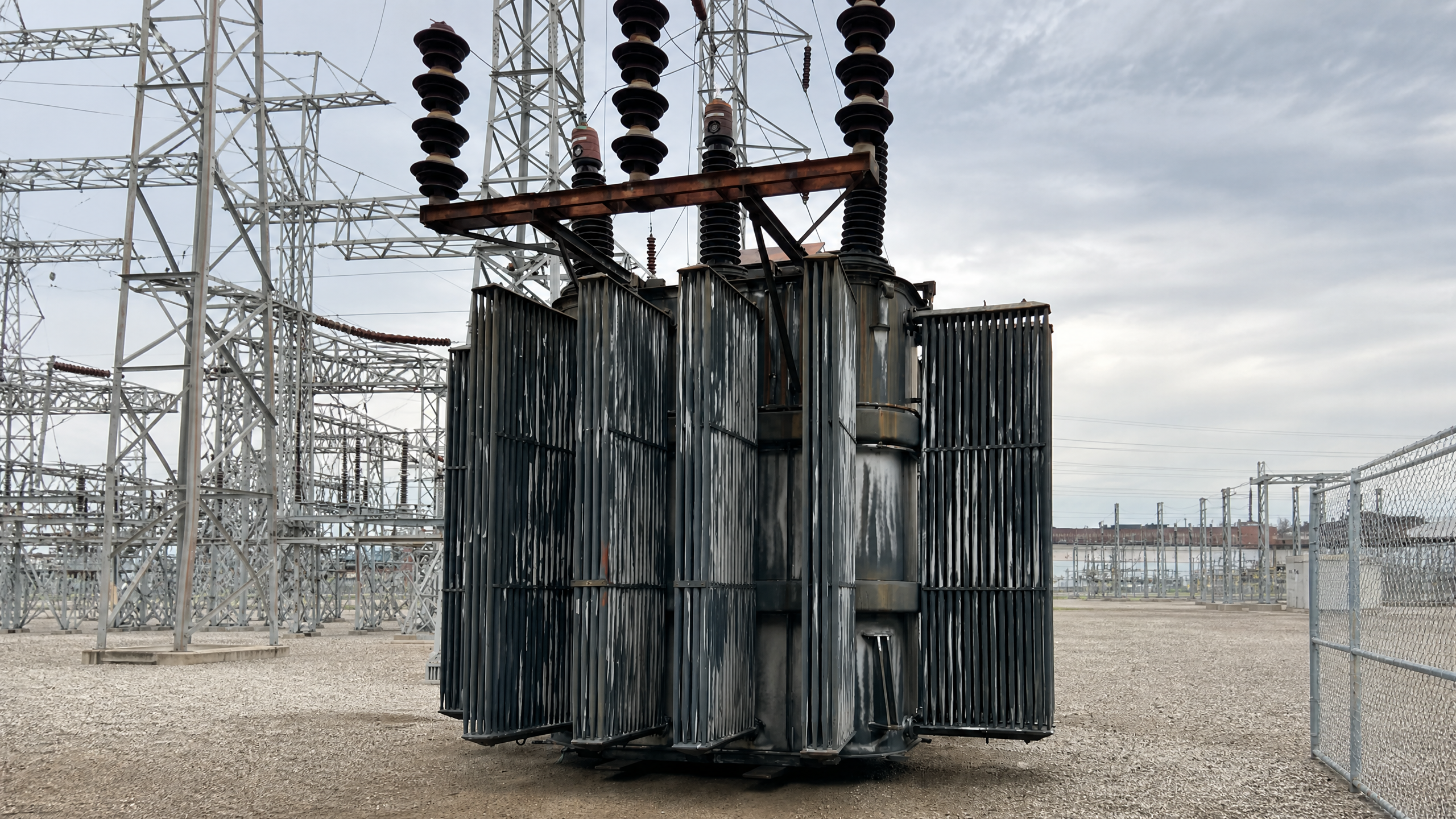
Accurate identification of the specific configuration is essential for a proper evaluation. The manufacturer has historically produced a wide range of equipment, including large power transformers, auto-transformers, and specialized mobile units. Sellers should locate the original manufacturer nameplate, typically affixed to the main tank, which contains the critical specifications required to assess the equipment's electrical characteristics. This point must be verified against the specific Waukesha Transformers nameplate and project record before a transaction decision.
The nameplate data provides the foundation for our procurement review. Key details include the kVA or MVA rating, primary and secondary voltage classes, impedance percentage, and the vector group. Documenting the cooling class helps determine the unit's thermal capacity. Because Waukesha units are often custom-engineered, capturing any specialized features, such as load tap changers (LTC) or unique bushing arrangements, is necessary to accurately understand the asset's potential application. This point must be verified against the specific Waukesha Transformers nameplate and project record before a transaction decision.
Assessing Electrical Details and Nameplate Data
A thorough understanding of the electrical specifications is required before any transaction can proceed. Sellers must document voltage ratings precisely, along with the basic impulse level (BIL) and any dual-voltage capabilities. The presence and type of tap changers—whether de-energized tap changers (DETC) or under-load tap changers (ULTC)—significantly impact the evaluation process, as these components dictate the transformer's ability to regulate voltage. This point must be verified against the specific Waukesha Transformers nameplate and project record before a transaction decision.
Beyond the core electrical ratings, the physical dimensions and weight information found on the nameplate are critical for logistical planning. Sellers should record the untanking weight, the core and coil weight, and the total operational weight including insulating fluid. The nameplate will also indicate the year of manufacture and the specific factory order or serial number. Providing high-resolution photographs of the nameplate ensures that all technical parameters are accurately captured and prevents delays. This point must be verified against the specific Waukesha Transformers nameplate and project record before a transaction decision.
Condition, Testing, and Insulating Fluid Information
The operational history and current physical condition of a Waukesha transformer are primary factors in determining its viability for acquisition. Equipment that has been regularly maintained and tested generally presents a clearer evaluation profile. Sellers should compile any available maintenance records, including recent dissolved gas analysis (DGA) reports, power factor testing results, and insulation resistance measurements. These diagnostic tests provide insight into the internal health of the core and coil assembly, the condition of the solid insulation, and the overall integrity of the unit prior to decommissioning. This point must be verified against the specific Waukesha Transformers nameplate and project record before a transaction decision.
Information regarding the insulating fluid is equally important. Sellers must specify the type of dielectric fluid currently housed within the transformer, whether it is standard mineral oil or an alternative natural ester fluid. The volume of fluid, typically listed in gallons on the nameplate, is necessary for both valuation and logistical considerations. If the fluid has been drained for storage or transport, this status must be clearly communicated. Furthermore, any historical data confirming the absence of polychlorinated biphenyls (PCBs) or detailing the parts-per-million (PPM) concentration is essential for understanding the material handling requirements associated with the asset. This point must be verified against the specific Waukesha Transformers nameplate and project record before a transaction decision.
Access, Loading, and Rigging Considerations
The physical removal and transportation of large power transformers require meticulous planning and specialized heavy rigging equipment. Sellers must evaluate the site access conditions, including the load-bearing capacity of access roads, overhead clearance limitations, and the availability of sufficient staging areas for cranes and multi-axle transport trailers. Identifying these logistical constraints early in the process is vital for coordinating a safe and efficient extraction. This point must be verified against the specific Waukesha Transformers nameplate and project record before a transaction decision.
In addition to site access, the specific rigging requirements for the transformer must be assessed. The equipment's lifting lugs, jacking pads, and center of gravity are critical data points for rigging engineers. If the transformer is situated on an elevated pad or within a containment pit, these factors will influence the necessary lifting plans. Sellers should provide clear photographs of the installation site and its immediate surroundings to facilitate a comprehensive review of the extraction requirements. This point must be verified against the specific Waukesha Transformers nameplate and project record before a transaction decision.
Transaction Timing and Evaluation Process
Initiating the sale of a Waukesha transformer begins with the submission of accurate technical data and site information. Padmount Transformer Buyers reviews the provided nameplate photographs, electrical specifications, and condition reports to determine the equipment's suitability for our procurement needs. Because industrial and utility decommissioning projects often operate on strict timelines, establishing clear communication regarding the desired removal date is necessary. Sellers should indicate whether the asset is currently energized, scheduled for an upcoming outage, or already disconnected and staged for transport. This point must be verified against the specific Waukesha Transformers nameplate and project record before a transaction decision.
Once the initial data review is complete, a more detailed logistical assessment may be required to address the specific rigging and transportation challenges associated with the site. We work with sellers to understand their project schedules and site access restrictions, aiming to align the equipment removal with their broader operational milestones. By providing comprehensive information upfront—including testing history, fluid status, and site photographs—sellers enable a more efficient evaluation process, allowing our team to make informed decisions regarding the acquisition of the Waukesha equipment. This point must be verified against the specific Waukesha Transformers nameplate and project record before a transaction decision.