Identifying ERMCO Equipment for Sale
When preparing to sell surplus or decommissioned electrical equipment, the first step is properly identifying the manufacturer information located on the unit's nameplate. Transformers carrying ERMCO branding require careful documentation of the specifications listed on this metal tag, which is typically affixed to the exterior cabinet or main tank. The nameplate provides the essential data needed to evaluate the equipment's electrical characteristics and physical configuration. Taking clear, legible photographs of the entire nameplate ensures that all critical details are captured for initial review and assessment by our purchasing team, allowing for an accurate understanding of the asset. This point must be verified against the specific ERMCO Transformers nameplate and project record before a transaction decision.
In addition to the manufacturer name, the nameplate contains vital electrical parameters such as the kilovolt-ampere (kVA) rating, primary and secondary voltage classes, impedance percentage, and phase configuration. Documenting these specific details allows us to understand the exact type of transformer you have available, whether it is a single-phase or three-phase unit, and its intended application. Accurate identification of these specifications is crucial for determining the equipment's compatibility with standard utility or industrial requirements, facilitating a straightforward evaluation process when you contact Padmount Transformer Buyers at 954-740-1983 to discuss your available surplus inventory. This point must be verified against the specific ERMCO Transformers nameplate and project record before a transaction decision.
Assessing Physical Condition and Components
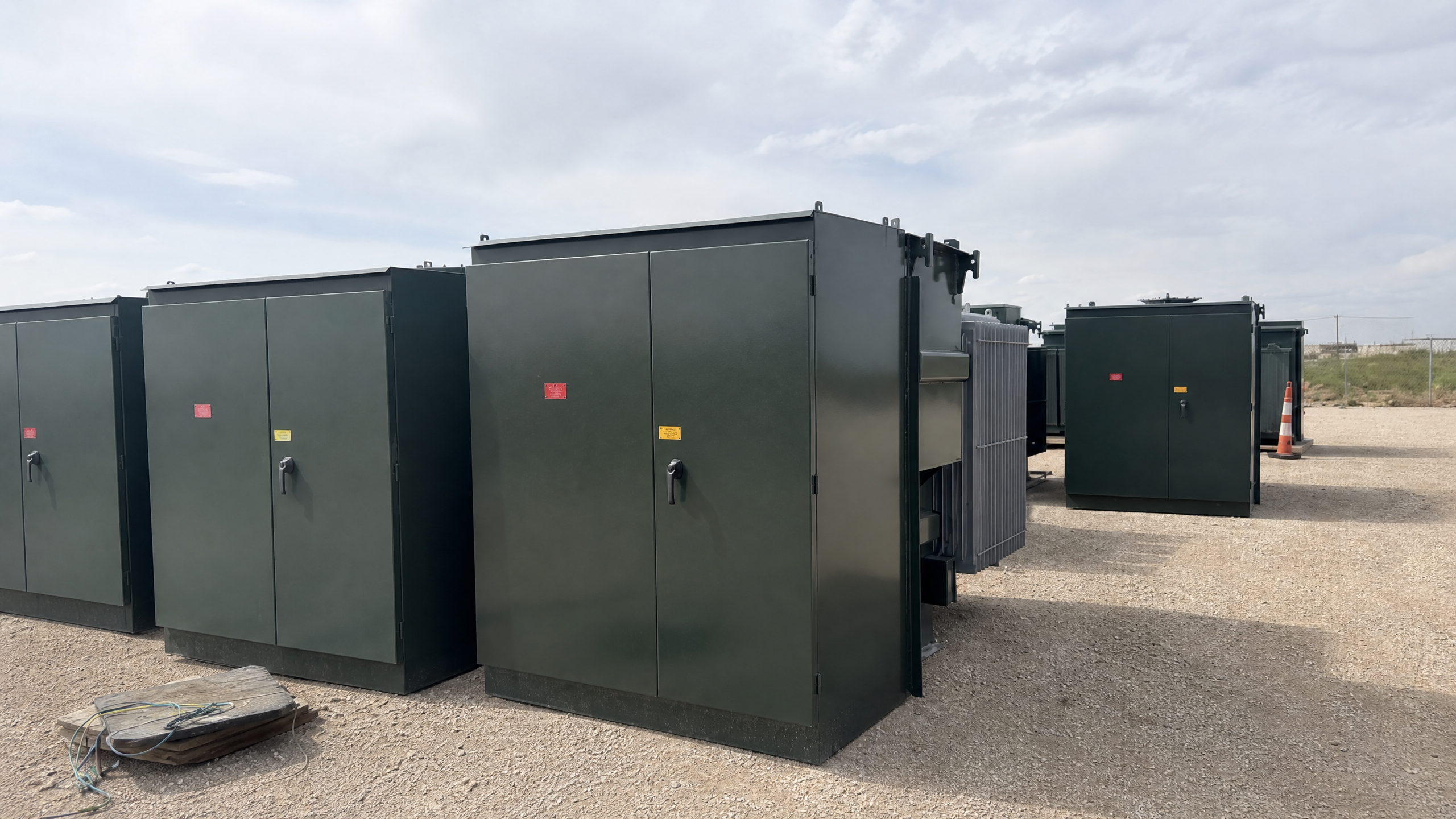
The physical condition of a transformer significantly impacts its evaluation during the sales process. Sellers should conduct a visual inspection of the exterior enclosure, looking for signs of severe corrosion, structural damage, or compromised weather seals that could affect the internal components. For pad-mounted units, the condition of the high-voltage and low-voltage compartment doors, hinges, and locking mechanisms should be carefully noted. Documenting any visible physical degradation or missing exterior components helps establish an accurate baseline for the equipment's current state before any further technical assessment or logistical planning is performed. This point must be verified against the specific ERMCO Transformers nameplate and project record before a transaction decision.
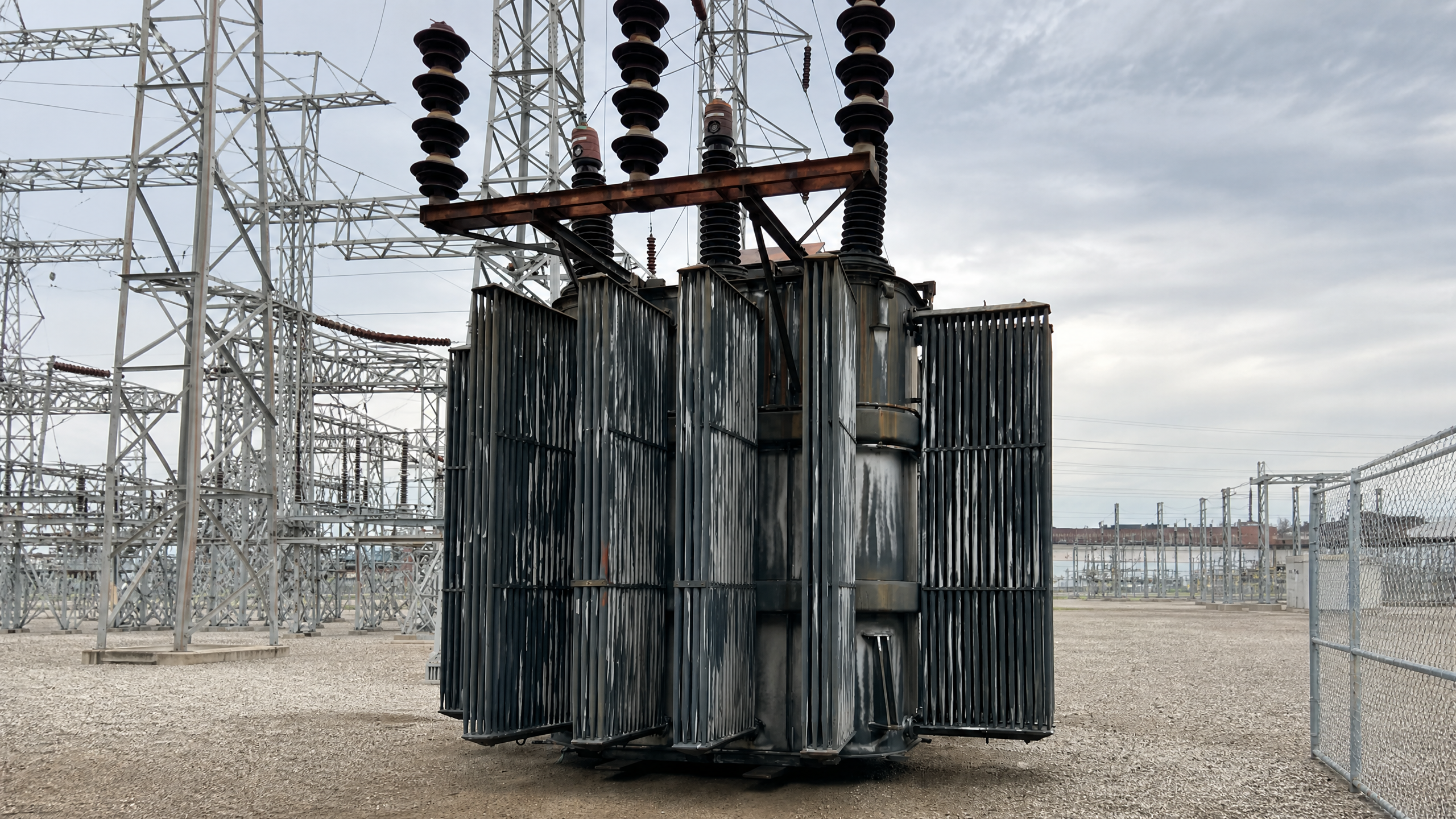
Beyond the exterior cabinet, the integrity of the main tank and the presence of any fluid leaks are critical factors to report. Inspect the base, cooling radiators, and the areas around primary and secondary bushings, as well as drain valves, for any signs of weeping or active dielectric fluid leaks. If the transformer is equipped with external gauges, such as liquid level indicators, temperature gauges, or pressure relief devices, noting their readings or physical state provides additional context. Comprehensive photographs detailing both the intact components and any areas of concern are invaluable for a complete and accurate initial evaluation. This point must be verified against the specific ERMCO Transformers nameplate and project record before a transaction decision.
Fluid Status and Testing Documentation
For liquid-filled transformers, information regarding the insulating fluid is a key component of the equipment's overall profile. If available, sellers should provide documentation identifying the type of dielectric fluid originally specified on the nameplate, such as standard mineral oil or less-flammable natural ester fluids. Additionally, any historical maintenance records, recent fluid analysis reports, or dissolved gas analysis (DGA) results are highly relevant. These documents offer insight into the internal health of the transformer and the condition of the insulating paper, which cannot be determined through a standard visual inspection of the exterior alone. This point must be verified against the specific ERMCO Transformers nameplate and project record before a transaction decision.
If the equipment has been drained of its insulating fluid for long-term storage or transport preparation, this status must be clearly communicated during the initial inquiry. A drained transformer requires different handling and evaluation procedures compared to a fully filled unit. Sellers should also indicate if the equipment has undergone any recent electrical testing, such as insulation resistance (Megger) testing, turns ratio verification, or winding resistance measurements. Providing these test reports, if they exist, assists in verifying the electrical integrity of the core and coils, streamlining the overall assessment process for both parties. This point must be verified against the specific ERMCO Transformers nameplate and project record before a transaction decision.
Site Access and Removal Logistics
The logistical aspects of removing and transporting heavy electrical equipment are as important as the technical specifications. Sellers must evaluate the physical location of the transformer to determine site accessibility for heavy machinery, such as cranes, flatbed trailers, or specialized rigging equipment. Considerations include the presence of overhead obstructions, weight-restricted access roads, soft ground conditions, and the proximity of the equipment to active operational areas. Clearly defining these site constraints upfront allows for the development of a safe and efficient extraction plan tailored to the specific environment of the facility or substation. This point must be verified against the specific ERMCO Transformers nameplate and project record before a transaction decision.
In addition to site access, the current installation status of the transformer must be confirmed. Equipment that is still energized or connected to a facility's electrical grid will require scheduled downtime and proper isolation procedures before any physical removal can commence. Sellers should communicate whether the unit has already been decommissioned, disconnected, and prepped for loading, or if it remains in place on its original pad. Understanding the timeline for decommissioning and the specific loading requirements ensures that the logistics can be coordinated effectively, minimizing disruption to the site's ongoing operations and personnel. This point must be verified against the specific ERMCO Transformers nameplate and project record before a transaction decision.
Transaction Timing and Next Steps
Coordinating the timeline for the sale and removal of surplus transformers requires clear communication between the seller and the purchasing team. Industrial facilities, utility projects, and demolition sites often operate under strict schedules, necessitating a predictable and organized equipment disposition process. When initiating contact with Padmount Transformer Buyers, sellers should outline their ideal timeframe for completing the transaction and removing the equipment from their property. This information helps align our evaluation and logistical planning with your project deadlines, ensuring a smooth and timely transition of the surplus assets off your site. This point must be verified against the specific ERMCO Transformers nameplate and project record before a transaction decision.
To begin the evaluation process, sellers should compile the necessary information, starting with clear photographs of the ERMCO nameplate and the equipment's exterior cabinet. Gathering any available testing records, maintenance logs, and details regarding site access will further expedite the comprehensive review. Once this documentation is prepared, contacting our purchasing team at 954-740-1983 allows us to discuss the specific characteristics of your equipment and outline the subsequent steps. By providing comprehensive and accurate information upfront, sellers facilitate a straightforward assessment, leading to a more efficient and structured purchasing process for all involved. This point must be verified against the specific ERMCO Transformers nameplate and project record before a transaction decision.