Evaluating Transformers Without Current Test Data
When facilities upgrade infrastructure or decommission sites, they often possess transformers lacking recent maintenance records or formal test reports. Without current dissolved gas analysis (DGA) or turns ratio measurements, determining operational status becomes challenging. Traditional buyers often require comprehensive testing, placing the burden of costly diagnostics on the seller. However, untested transformers still contain valuable core steel, copper or aluminum windings, and reusable components that justify a direct acquisition. This point must be verified against the specific Untested Transformers nameplate and project record before a transaction decision.
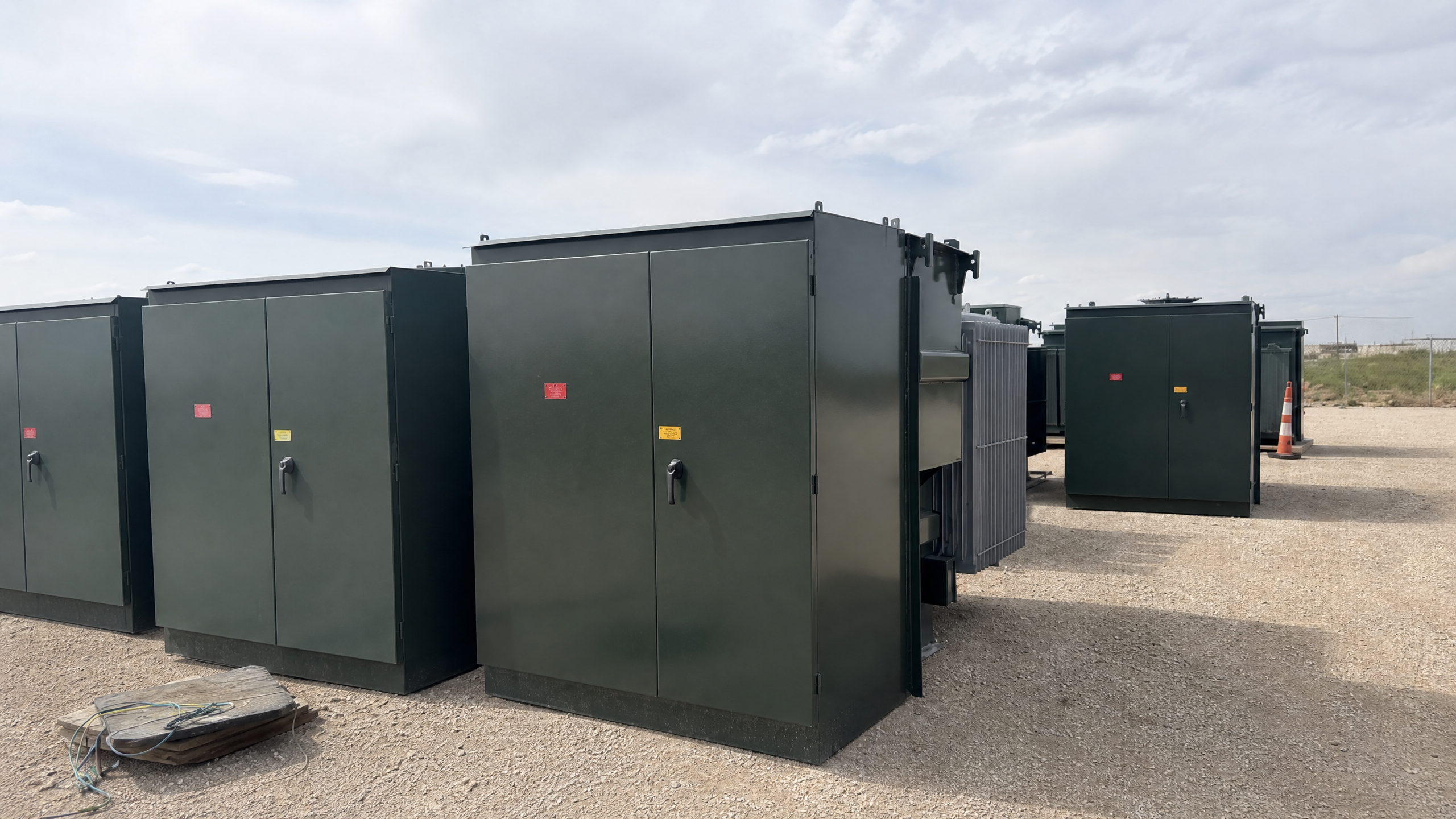
Padmount Transformer Buyers evaluates electrical equipment based on physical condition, nameplate specifications, and configuration rather than relying solely on recent test results. By analyzing the manufacturer, voltage class, kVA rating, and visible state, we determine its baseline value. This approach allows utilities and industrial plants to monetize surplus assets without investing capital into third-party testing services. Our evaluation focuses on inherent physical attributes, whether the unit has been sitting in storage or was recently removed from service. This point must be verified against the specific Untested Transformers nameplate and project record before a transaction decision.
Nameplate Data and Visual Inspection Factors
In the absence of electrical and fluid diagnostics, the nameplate provides the most critical information for assessing an untested transformer. The kVA rating, primary and secondary voltages, impedance, vector group, and manufacturing date establish the fundamental specifications. The type of insulating fluid also plays a significant role in the evaluation process. Sellers should capture clear, legible photographs of the entire nameplate to facilitate an accurate initial assessment. Identifying the manufacturer and measuring physical dimensions can provide sufficient context when nameplates are missing. This point must be verified against the specific Untested Transformers nameplate and project record before a transaction decision.
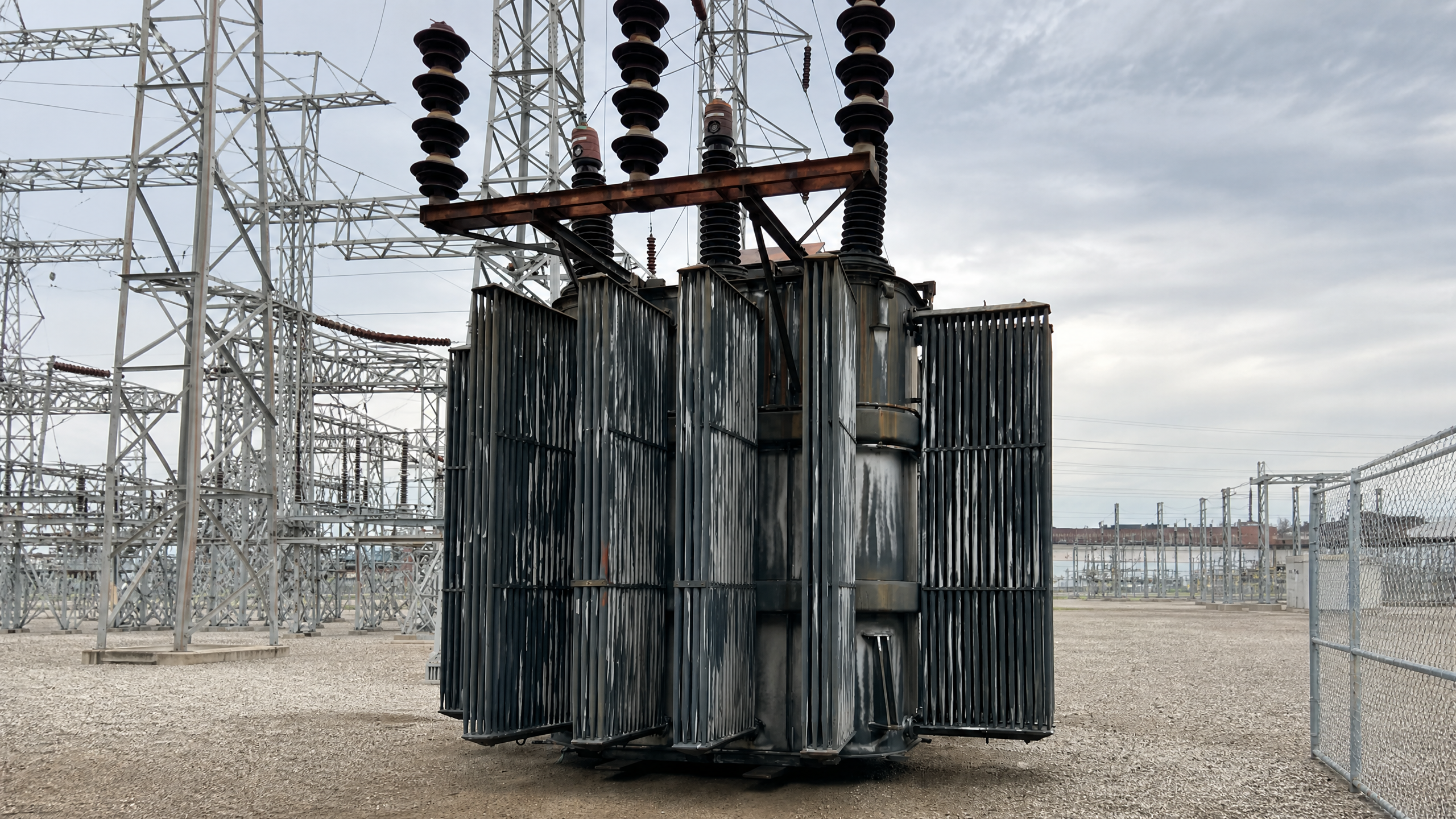
Beyond the nameplate, the external physical condition offers vital clues about the internal state of an untested transformer. Evaluators look for signs of severe corrosion, oil leaks around bushings or radiators, impact damage, and the integrity of the enclosure. While superficial rust is common, extensive structural degradation or active fluid leaks require careful consideration. The condition of external accessories, such as load break switches, also contributes to the overall assessment. Documenting these visual elements allows buyers to estimate the potential for material recovery. This point must be verified against the specific Untested Transformers nameplate and project record before a transaction decision.
Logistics and Rigging for Untested Equipment
Removing and transporting untested transformers involves specific logistical considerations, particularly when internal structural integrity is unverified. Units that have been out of service for extended periods may have weakened lifting eyes, degraded base channels, or compromised seals that could leak during transit. Proper rigging requires a thorough assessment of the unit's weight, center of gravity, and lifting points. Experienced logistics teams must utilize appropriate equipment, such as cranes or heavy-duty forklifts, to safely lift and maneuver the transformer without causing further damage. This point must be verified against the specific Untested Transformers nameplate and project record before a transaction decision.
Site access and preparation are equally important when planning the extraction of untested electrical assets. Industrial facilities, utility substations, and commercial properties often present challenging environments with tight clearances, overhead obstacles, or soft ground conditions. Coordinating the removal process involves scheduling transportation that complies with weight and dimensional regulations and ensuring necessary safety protocols are followed. Padmount Transformer Buyers works closely with sellers to understand site-specific constraints, ensuring that the removal of untested transformers is executed efficiently and without disrupting facility operations. This point must be verified against the specific Untested Transformers nameplate and project record before a transaction decision.
The Role of Fluid Status in Untested Units
The insulating fluid within a transformer is a critical component of its operation and a significant factor when evaluating untested equipment. Even without a recent DGA report, the type and volume of the fluid provide essential information. Transformers manufactured before certain dates may have a higher probability of containing specific regulated compounds, dictating how the unit must be handled and transported. Sellers must disclose any known history regarding the fluid, including past retrofills, as this directly impacts the logistics of the transaction. This point must be verified against the specific Untested Transformers nameplate and project record before a transaction decision.
When dealing with untested transformers, the physical containment of the fluid is heavily scrutinized. Evidence of weeping seams, leaking valves, or compromised radiator fins indicates that internal fluid levels may be low, potentially exposing the core and coils to moisture and oxidation. If a unit has been drained completely, it is crucial to know whether it was purged with dry nitrogen to preserve the internal insulation. The status of the fluid guides subsequent steps in the recovery process and determines necessary handling precautions. This point must be verified against the specific Untested Transformers nameplate and project record before a transaction decision.
Streamlining the Transaction Process
Selling untested transformers should not be a complicated or drawn-out process for the equipment owner. The primary goal is to efficiently convert surplus or idle assets into capital while clearing valuable space at the facility. To initiate the process, sellers should gather all available information, starting with clear photographs of the equipment, focusing on the nameplate, overall exterior, and any visible damage or leaks. Providing accurate details about the unit's location, accessibility, and current operational status enables a faster initial review of the equipment. This point must be verified against the specific Untested Transformers nameplate and project record before a transaction decision.
Once preliminary information is submitted, Padmount Transformer Buyers conducts a thorough evaluation based on the provided data. We prioritize clear communication, ensuring sellers understand the factors influencing the assessment of their untested equipment. By focusing on core specifications and physical condition, we eliminate the need for sellers to procure expensive diagnostic testing prior to sale. Our streamlined approach is designed to facilitate prompt decision-making, allowing asset managers, contractors, and utility operators to resolve surplus equipment challenges. Contact us at 954-740-1983 to discuss your equipment. This point must be verified against the specific Untested Transformers nameplate and project record before a transaction decision.