Evaluating High-Voltage Power Transformers
High-voltage power transformers are critical components in electrical grids and large-scale industrial operations, designed to step up or step down voltage for efficient power transmission. When these massive units reach the end of their operational lifecycle at a specific facility, or when infrastructure upgrades render them surplus, asset managers face the complex task of disposition. We evaluate high-voltage power transformers based on their specific MVA ratings, primary and secondary voltage configurations, and overall electrical characteristics. Because these units represent significant capital investments and involve substantial logistical considerations, providing accurate nameplate data and operational history is essential for a proper assessment. This point must be verified against the specific High-Voltage Power Transformers nameplate and project record before a transaction decision.
The evaluation process for high-voltage power transformers requires a detailed understanding of the equipment's specifications and current status. We review core and coil designs, cooling classes (such as ONAN, ONAF, or OFAF), and impedance values to determine the equipment's potential market viability. Information regarding the transformer's vector group, tap changer type (on-load or off-circuit), and bushing configurations also plays a vital role in our review. By gathering comprehensive technical details upfront, we can efficiently process your surplus or decommissioned high-voltage assets and present a clear path forward for your project team. This point must be verified against the specific High-Voltage Power Transformers nameplate and project record before a transaction decision.
- MVA rating and cooling class specifications
- Primary and secondary voltage configurations
- Tap changer details and vector group
- Bushing types and overall dimensions
Condition Assessment and Testing History
The physical and electrical condition of a high-voltage power transformer significantly influences its evaluation. We consider units in various states, from fully operational transformers that have been recently removed from service to older units requiring extensive remanufacturing or material recovery. Providing recent testing history, such as dissolved gas analysis (DGA), power factor testing, and megger results, allows us to better understand the internal condition of the core and windings. While we do not require equipment to be in perfect working order, accurate disclosure of known faults, fluid leaks, or previous electrical failures helps us determine the appropriate disposition strategy. This point must be verified against the specific High-Voltage Power Transformers nameplate and project record before a transaction decision.
Fluid status is another major factor when reviewing high-voltage power transformers. These units often contain thousands of gallons of mineral oil or specialized dielectric fluids, which must be accounted for during the disposition process. We need to know whether the transformer is currently filled, partially drained, or completely empty, as well as the historical PCB content of the insulating fluid. While Padmount Transformer Buyers does not provide environmental compliance or hazardous material disposal services, understanding the fluid status is necessary for planning the logistical aspects of the transaction and ensuring that the equipment is prepared correctly for eventual transport. This point must be verified against the specific High-Voltage Power Transformers nameplate and project record before a transaction decision.
- Recent dissolved gas analysis (DGA) reports
- Power factor and insulation resistance test results
- Current dielectric fluid levels and type
- Historical PCB concentration records
Logistical Planning for Substation Equipment
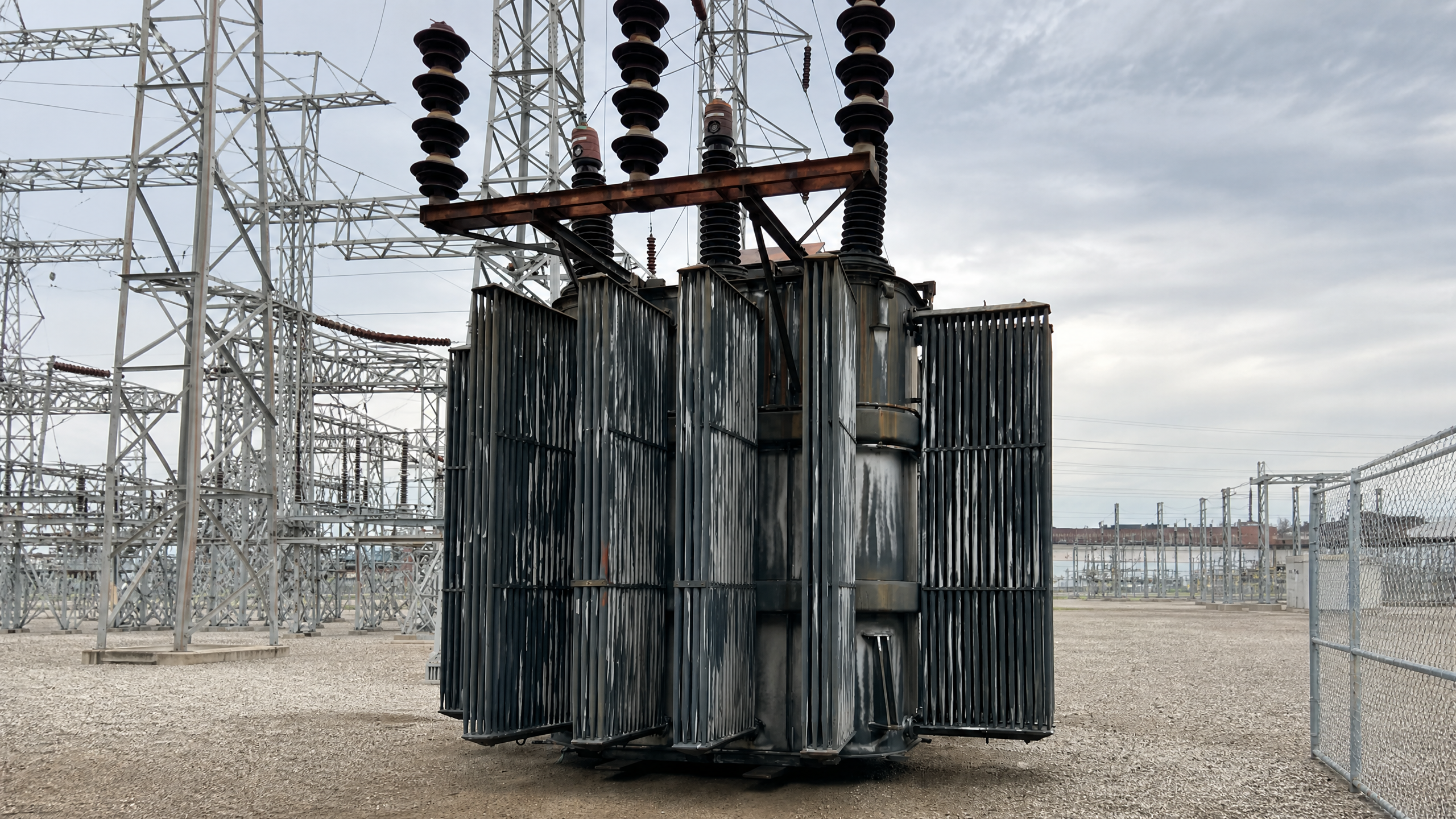
Removing and transporting high-voltage power transformers involves significant logistical planning due to their immense size and weight. These units are typically situated in active substations, remote transmission yards, or dense industrial complexes, requiring specialized rigging and heavy-haul transportation. When evaluating your equipment, we consider site access, overhead clearances, and the availability of on-site lifting capabilities such as gantry cranes or heavy-duty forklifts. Clear communication regarding the physical environment surrounding the transformer helps in developing a realistic timeline and methodology for the equipment's removal from your facility. This point must be verified against the specific High-Voltage Power Transformers nameplate and project record before a transaction decision.
The preparation of high-voltage transformers for transit often involves dismantling external components to meet highway weight and height restrictions. Radiators, conservator tanks, high-voltage bushings, and control cabinets frequently need to be removed and secured separately. We work with sellers to understand which components are still attached and whether the original shipping brackets or impact recorders are available. By addressing these logistical variables early in the evaluation phase, Padmount Transformer Buyers can coordinate effectively with your project managers and contractors to facilitate a structured and orderly transaction process. This point must be verified against the specific High-Voltage Power Transformers nameplate and project record before a transaction decision.
- Site access and overhead clearance limitations
- Availability of on-site heavy lifting equipment
- Status of external components (radiators, bushings)
- Transportation weight and dimensional constraints
Project Timelines and Transaction Coordination
Decommissioning high-voltage infrastructure is usually part of a broader project with strict deadlines and critical path dependencies. Whether you are replacing an aging transformer during a scheduled plant outage or clearing a substation site for redevelopment, aligning the equipment sale with your project timeline is crucial. We encourage asset managers and contractors to engage with us early in the planning stages. Early engagement allows ample time to review specifications, assess testing data, and organize the necessary heavy-haul transportation logistics without causing delays to your primary operational objectives. This point must be verified against the specific High-Voltage Power Transformers nameplate and project record before a transaction decision.
Coordinating the sale of high-voltage power transformers requires clear communication between all parties involved, including facility owners, electrical contractors, and logistics providers. Padmount Transformer Buyers focuses on straightforward transactions by directly purchasing the equipment, eliminating the uncertainty often associated with consignment or auction platforms. When you contact us at 954-740-1983, we discuss your specific timeline requirements and outline the steps needed to complete the evaluation and purchase. Our goal is to provide a reliable outlet for your surplus high-voltage assets, allowing your team to focus on the successful execution of your broader infrastructure project. This point must be verified against the specific High-Voltage Power Transformers nameplate and project record before a transaction decision.
- Alignment with scheduled plant outages or upgrades
- Coordination with electrical and rigging contractors
- Early review of specifications and test data
- Direct purchasing to streamline the disposition process
Information Required for a Complete Evaluation
To initiate the evaluation of your high-voltage power transformer, providing comprehensive and accurate information is the first and most critical step. The foundation of our review is the transformer's nameplate, which contains essential data such as the manufacturer, year of production, serial number, and exact electrical ratings. Clear, legible photographs of the entire nameplate, along with wide-angle shots of the transformer in its current setting, give us a baseline understanding of the asset. Additionally, images showing the condition of the control cabinets, cooling systems, and main tank help us identify any visible physical damage or missing components. This point must be verified against the specific High-Voltage Power Transformers nameplate and project record before a transaction decision.
Beyond visual documentation, technical documentation significantly expedites the review process. We request any available maintenance logs, original manufacturer drawings, and recent diagnostic test reports. If the transformer has been stored as a strategic spare, details regarding its storage conditions—such as whether it has been maintained under positive nitrogen pressure—are highly relevant. By compiling this information before reaching out to Padmount Transformer Buyers, sellers enable us to conduct a thorough and efficient evaluation, leading to a prompt decision regarding the purchase of your high-voltage electrical equipment. This point must be verified against the specific High-Voltage Power Transformers nameplate and project record before a transaction decision.
- Clear photographs of the equipment nameplate
- Wide-angle images of the transformer and site
- Original manufacturer drawings and manuals
- Maintenance logs and diagnostic test results