Identifying ABB Transformer Configurations
ABB has produced a wide range of transformer configurations for utility and industrial applications over several decades. When preparing to sell this equipment, accurately identifying the specific type and physical footprint is an essential first step. Sellers should look for the manufacturer's nameplate, which typically details the kVA rating, primary and secondary voltages, and the manufacturing date. This information helps establish the baseline characteristics of the unit and allows buyers to understand the core specifications without needing immediate on-site inspections. Recording these details clearly ensures that initial discussions regarding the equipment are grounded in accurate data. This point must be verified against the specific ABB Transformers nameplate and project record before a transaction decision.
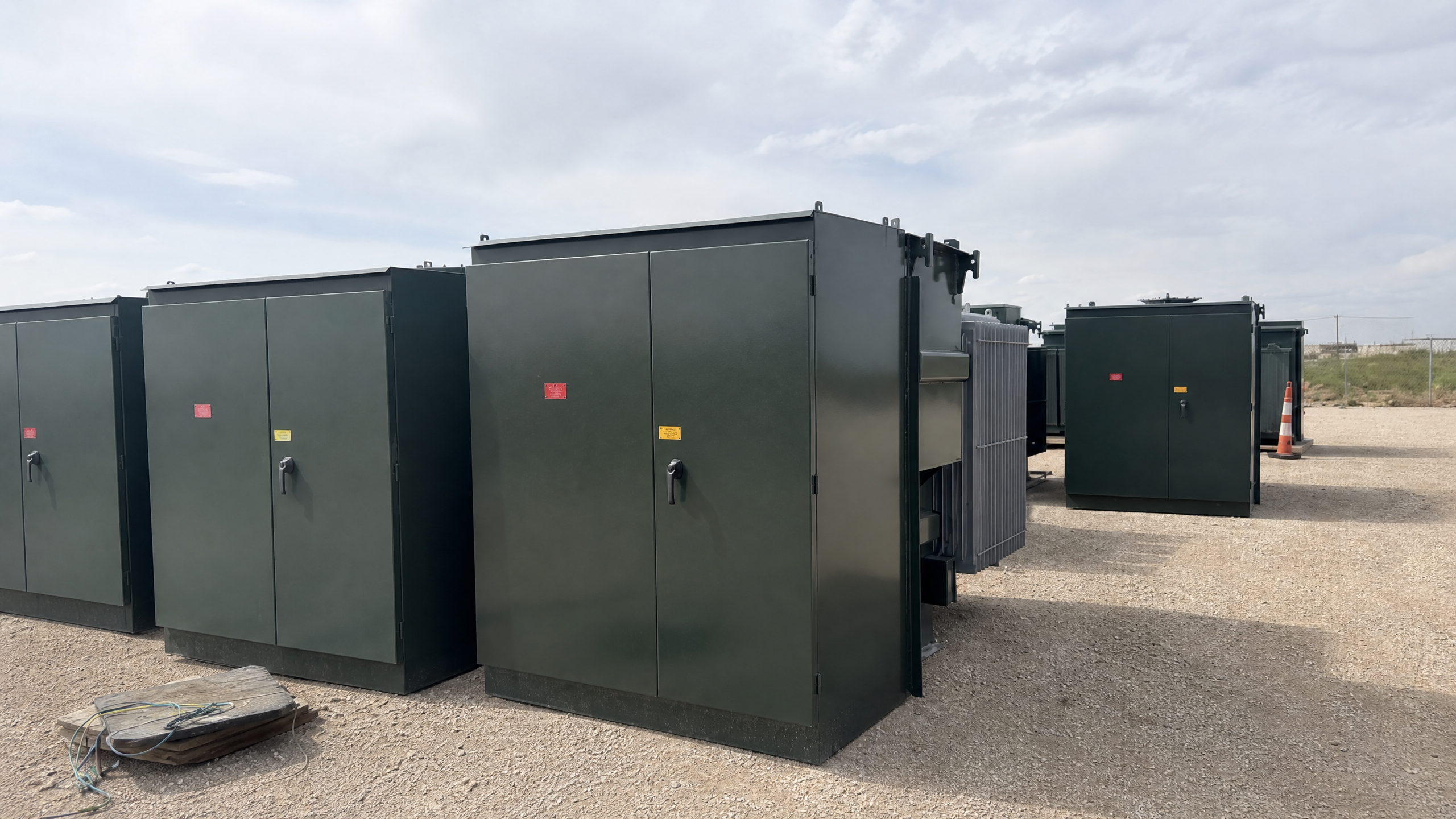
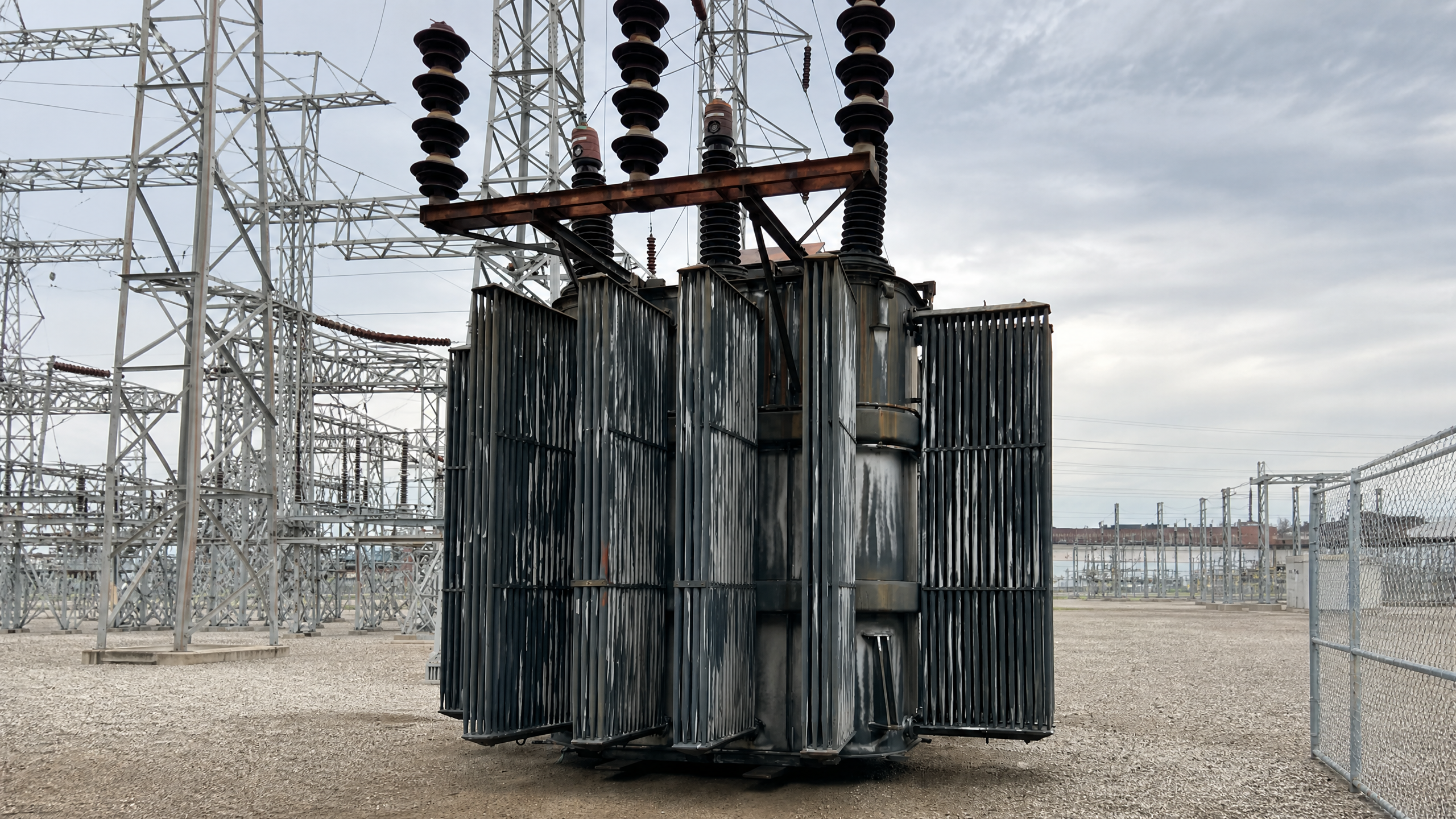
Beyond the basic electrical ratings, noting the physical design of the ABB transformer provides critical context for potential buyers. Padmount units, substation transformers, and dry-type configurations each require different handling and transportation approaches. Documenting the presence of specific accessories, such as load break switches, fusing components, or specialized gauges, adds depth to the equipment profile. Because ABB units vary significantly depending on their intended application, capturing the exact configuration allows for a more precise evaluation of the asset's suitability for secondary use. This point must be verified against the specific ABB Transformers nameplate and project record before a transaction decision.
Documenting Equipment Condition and Fluid Status
The operational history and current physical state of an ABB transformer heavily influence its evaluation. Sellers should provide a comprehensive overview of the unit's condition, noting whether it was recently decommissioned from active service or has been held in long-term storage. Visual documentation is vital; high-resolution photographs of the exterior casing, cooling fins, and bushing compartments help identify any surface corrosion, physical damage, or signs of wear. Additionally, noting the condition of the control cabinets and internal wiring can provide insight into how the unit was maintained during its operational life. This point must be verified against the specific ABB Transformers nameplate and project record before a transaction decision.
For liquid-filled ABB transformers, the status of the dielectric fluid is a major consideration during the review process. Sellers must indicate whether the unit is currently filled with mineral oil, natural ester fluids, or other specialized coolants, and whether any recent fluid testing has been conducted. Providing dissolved gas analysis or PCB test results, if available, significantly streamlines the evaluation by offering a clear picture of the internal health of the transformer. If the unit has been drained for storage or transport, specifying the method of draining and whether the tank is pressurized with nitrogen helps buyers understand the necessary steps for future handling. This point must be verified against the specific ABB Transformers nameplate and project record before a transaction decision.
Site Access and Rigging Considerations
Removing heavy electrical equipment requires careful logistical planning, particularly for larger ABB substation or industrial transformers. Sellers need to assess their facility's layout to determine how easily heavy machinery can access the transformer pad or installation site. Clearances for cranes, flatbed trailers, and specialized rigging equipment must be measured and documented. If the transformer is located inside a building, on a rooftop, or behind secure fencing, these obstacles must be clearly communicated during the initial offering. Understanding the site constraints allows buyers to accurately gauge the complexity and requirements of the extraction process. This point must be verified against the specific ABB Transformers nameplate and project record before a transaction decision.
The physical dimensions and total weight of the ABB transformer dictate the specific rigging techniques required for safe removal. Sellers should refer to the nameplate or original manufacturer documentation to confirm the untanking weight and total operational weight. Identifying the location and condition of lifting eyes, jacking pads, and tie-down points is necessary for planning the lift and securing the load for transit. By providing detailed information about the site access and the physical characteristics of the unit, sellers facilitate a more organized and efficient removal process, minimizing disruptions to ongoing facility operations. This point must be verified against the specific ABB Transformers nameplate and project record before a transaction decision.
Information Required for Purchase Evaluations
To initiate a direct purchase evaluation for your surplus ABB transformers, compiling a complete information package is necessary. The most critical component is a clear, legible photograph of the original equipment nameplate, which provides the foundational data required for our review. In addition to the nameplate, sellers should supply a series of wide-angle and close-up photographs showing the transformer from multiple vantage points. This visual evidence, combined with a written description of the unit's history and reason for decommissioning, forms the basis of our initial assessment. This point must be verified against the specific ABB Transformers nameplate and project record before a transaction decision.
We also require information regarding the anticipated timeline for the equipment's removal. Whether the transformer is already disconnected and ready for immediate loading, or is scheduled for replacement in the coming months, knowing the project schedule allows us to align our logistical planning with your facility's needs. Please note that Padmount Transformer Buyers operates independently as a direct buyer of surplus electrical equipment. We are not affiliated with, authorized by, or endorsed by ABB, and our evaluations are based solely on our own criteria for secondary market viability. Contact us at 954-740-1983 to submit your equipment details for review. This point must be verified against the specific ABB Transformers nameplate and project record before a transaction decision.
The Direct Buyer Review Process
Our review process for surplus ABB transformers is designed to be straightforward and focused on the technical specifications of the available assets. Once a seller submits the required nameplate data, photographs, and condition reports, our team conducts a detailed analysis to determine if the equipment aligns with our current inventory requirements. We evaluate the kVA capacity, voltage configuration, and overall physical condition to make an informed decision regarding a potential purchase. This data-driven approach ensures that our evaluations are consistent and based entirely on the tangible characteristics of the transformer. This point must be verified against the specific ABB Transformers nameplate and project record before a transaction decision.
If the submitted ABB equipment meets our criteria, we proceed with discussing the logistical arrangements for acquisition. This involves coordinating the transportation details, verifying site access requirements, and establishing a clear timeline for the transaction. Our goal is to facilitate a structured and efficient transfer of the assets, allowing sellers to clear space at their facilities and recover value from their decommissioned equipment. By communicating directly with Padmount Transformer Buyers, facility managers and contractors can navigate the disposition of their heavy electrical infrastructure with clarity and purpose. This point must be verified against the specific ABB Transformers nameplate and project record before a transaction decision.